1 in 3 psychologists say their patients use AI as a second therapist
1 in 3 psychologists say their patients use AI as a second therapist. Here’s what they want you to know People are increasingly turning to AI for mental health support—but its design is “antithetica…
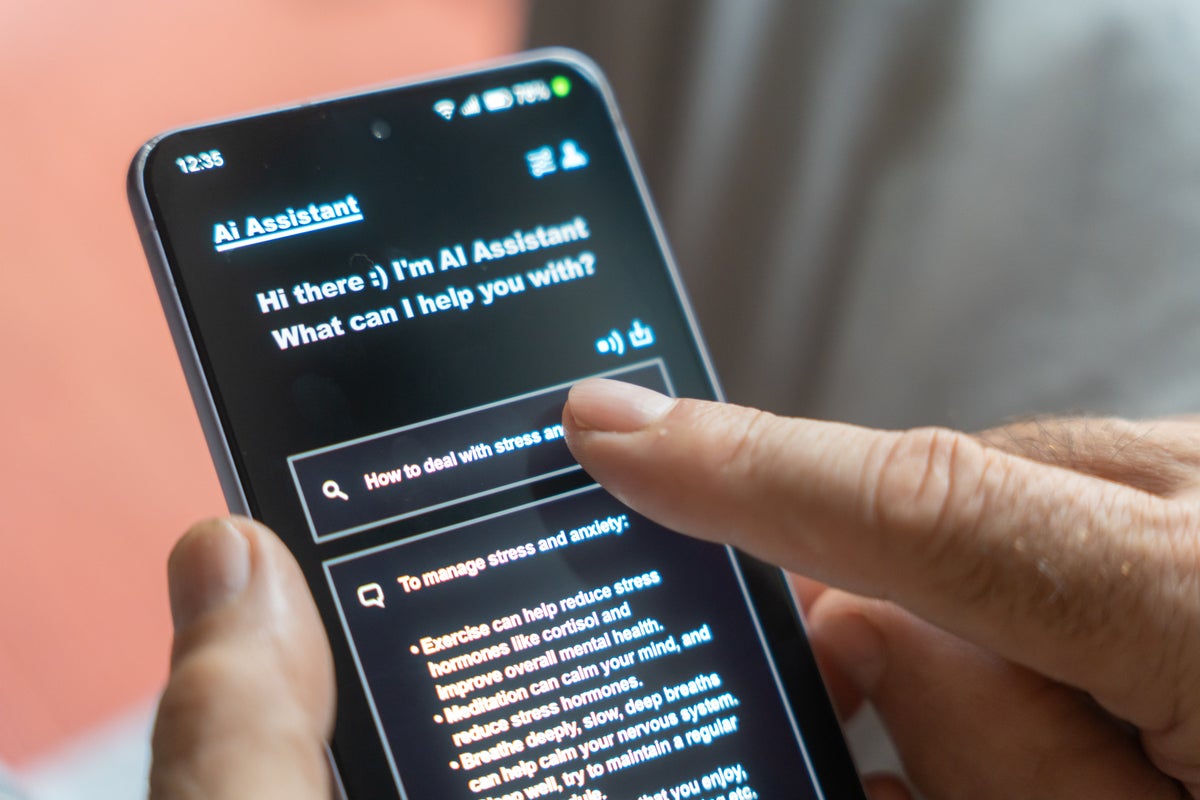
1 in 3 psychologists say their patients use AI as a second therapist. Here’s what they want you to know People are increasingly turning to AI for men
Read Full Story at Scientific American →The revelation that one in three psychologists report their patients using AI as a second therapist underscores a quiet but seismic shift in mental health care—one that raises urgent questions about safety, ethics, and the evolving role of technology in emotional well-being. This isn’t just about convenience or curiosity; it reflects a broader cultural pivot where trust in algorithmic companionship is outpacing traditional therapeutic frameworks. For many, AI chatbots offer immediate, cost-free access to support, particularly for those who face barriers like stigma, cost, or long waitlists for human therapists. Yet the psychological community’s unease is rooted in something deeper: the inherent contradiction between AI’s designed purpose—efficiency, scalability, and detachment—and the fundamental nature of therapy, which demands nuance, empathy, and the messy unpredictability of human connection. The trend also highlights a paradox in modern mental health care. While demand for therapy has surged post-pandemic, supply remains critically strained, leaving gaps that vulnerable individuals are filling with imperfect substitutes. Psychologists’ concerns about AI’s “antithetical” design—its lack of emotional depth, inability to hold space for complex trauma, and potential to misinterpret or dismiss distress—speak to a larger dilemma: can technology ever truly replicate the therapeutic alliance, or does its rise simply expose the failures of an overburdened system? The rise of AI therapists may also accelerate a two-tiered mental health landscape, where those with resources still seek human care while others settle for algorithmic approximations that could do more harm than good in the long run. What happens next is unclear. Regulators may scramble to define guardrails around AI in mental health, but the genie is already out of the bottle. Clinicians might find themselves in the awkward position of integrating patient-generated AI insights into their work, or worse, competing with unregulated digital alternatives. The deeper question is whether this moment will spur innovation in hybrid care—where AI handles logistical support while humans focus on what they do best—or whether it will normalize a watered-down version of therapy that prioritizes scalability over depth. One thing is certain: the mental health field is at a crossroads, and the choices made today will shape the emotional well-being of generations to come.







