100 days of Iran war: Gulf states grapple with security and economic consequences
For the regional Gulf Cooperation Council (GCC) states — Bahrain , Kuwait , Oman , Qatar , Saudi Arabia and the United Arab Emirates (UAE) — the consequences of the US-Israeli conflict with Iran extend far beyond immediate military threat. Since February 28, when the US and Isra
For the regional Gulf Cooperation Council (GCC) states — Bahrain , Kuwait , Oman , Qatar , Saudi Arabia and the United Arab Emirates (UAE) — the consequences of the US-Israeli conflict with Iran extend far beyond immediate military threat.
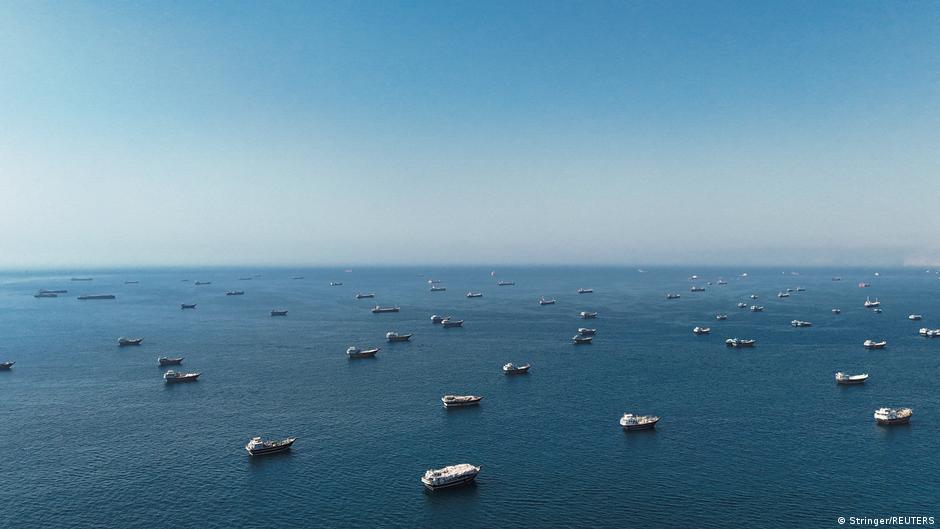
Since February 28, when the US and Israel launched joint strikes on Iran, and despite a nominal ceasefire, the GCC countries, have been performing a difficult balancing act . Key infrastructure in the region is being targeted by thousands of ballistic missiles and drones while the blockade of the Strait of Hormuz by — imposed by both Iran and the US — has had a major impact on trade and economic stability. At the same time, Gulf governments have been trying to avoid being drawn deeper into the conflict.
In recent years, the Gulf states, and particularly Saudi Arabia, have implemented ambitious economic reforms aimed at diversifying their economies and reducing dependence on oil revenues. Increasingly, these overhauls have shaped foreign policy too , as tourism, aviation , logistics, and artificial intelligence have become core pillars of national development strategies .
But a new era is underway, according to Cinzia Bianco, a Gulf analyst at the European Council on Foreign Relations who recently returned from the UAE. "The Iran war has prompted a sea change in their perception of security and politics," she told DW.
In March, Dubai International Airport was struck by drones launched by Iran and more than 30,000 flights to and from the Middle East were cancelled. Several airlines are still operating reduced schedules. Also jet fuel prices have almost doubled year-on-year due to the blockage of the Strait of Hormuz.
"The Gulf's image as a safe haven has certainly been shattered in the short to medium term," said Pauline Raabe, a Gulf observer at the Berlin-based Middle East Minds think tank.
"Potential tourists have been reminded of where the country is located, namely, in the midst of a geopolitically tense region, " she said. "They will now think twice or even three times before deciding whether to go to the Emirates."
Financial analysis firm Moody's recently forecast that hotel occupancy in Dubai would plummet from 80% to 10% in the second quarter of 2026.




