Chinese fossils reveal ancient armored amphibian adapted to marine life
Fossils of a 237-million-year-old armored amphibian discovered in China suggest that some ancient amphibians adapted to marine environments, challenging the view that they were primarily terrestrial …
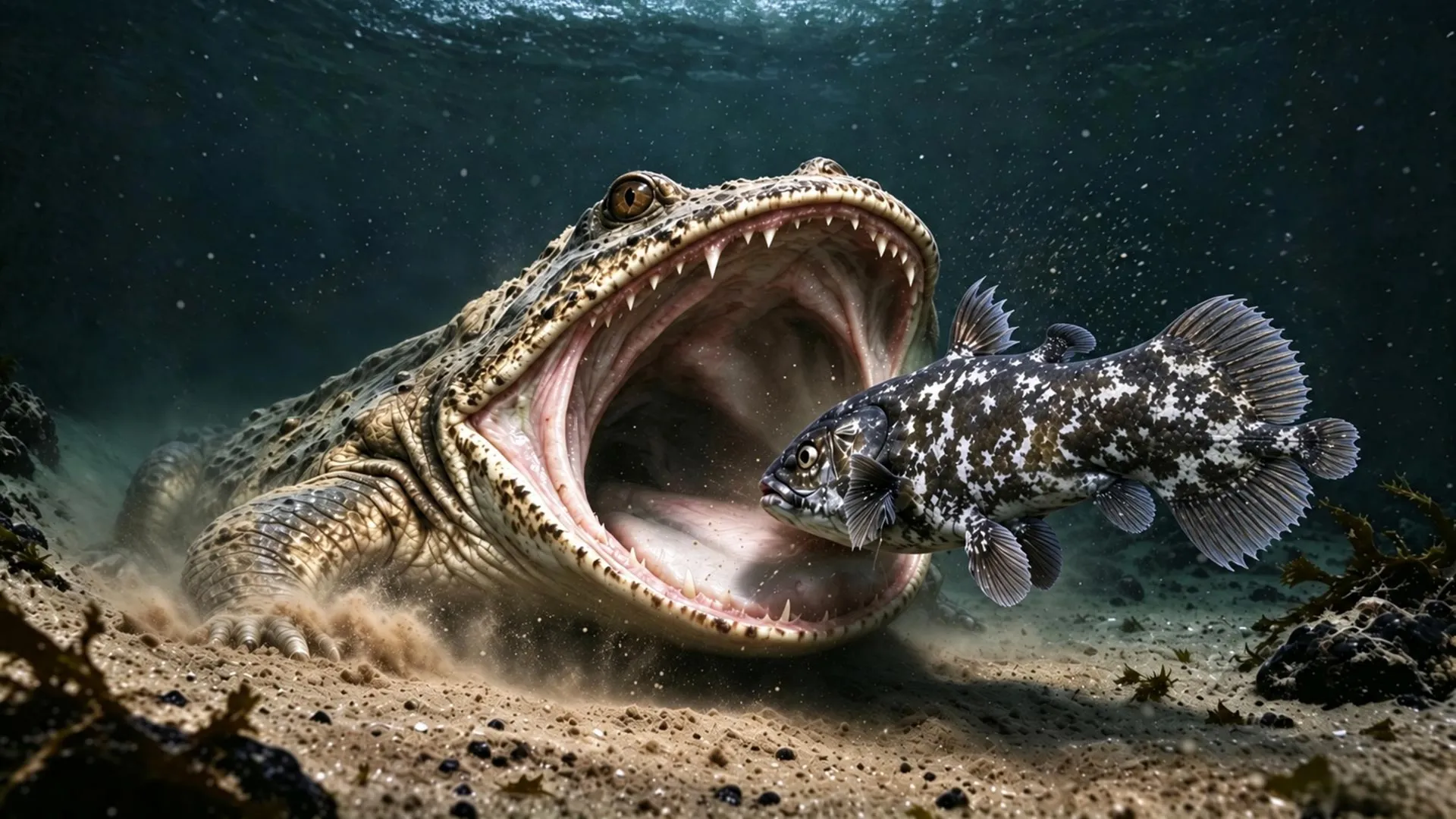
A bizarre, heavily armored amphibian that lived 237 million years ago has been discovered in China, revealing new insights into the evolution of amphibians. This creature, roughly the size of a giant salamander, might be the first known amphibian to have adapted fully to a marine environment, despite modern amphibians being unable to survive in saltwater.
The discovery is significant because it challenges existing beliefs about the evolutionary history of amphibians. Traditionally, amphibians have been seen as primarily terrestrial or freshwater animals. This new finding suggests that some amphibians were capable of thriving in marine settings long before the emergence of modern amphibians. Researchers believe this could provide clues about the adaptability and evolutionary paths of ancient species, especially in the context of environmental changes.
The fossils were unearthed in a region known for its rich deposits from the Triassic period, a time marked by significant shifts in climate and ecosystems. The unique characteristics of this amphibian, including its armor, indicate it may have faced different environmental pressures than those that shaped its modern descendants. The study of these fossils not only sheds light on this particular species but also offers a window into the broader evolutionary trends that influenced life on Earth during the Triassic.
Looking ahead, paleontologists plan to conduct further studies on these fossils to understand the creature’s physiology and lifestyle. This research could lead to a reevaluation of how amphibians have evolved over millions of years. Understanding these ancient adaptations may also provide insights into how current species might respond to changing environments, which is increasingly relevant in today's context of climate change and habitat loss.
Read Full Story at ScienceDaily →