3,200-year-old inscription may point to a long-lost ancient Egyptian city from the time of Ramesses II
A 3,200-year-old Egyptian inscription found near an ancient military road may indicate the location of a long-lost city, archaeologists have announced. Found at the site of Tell Abu Seifi (also spel…
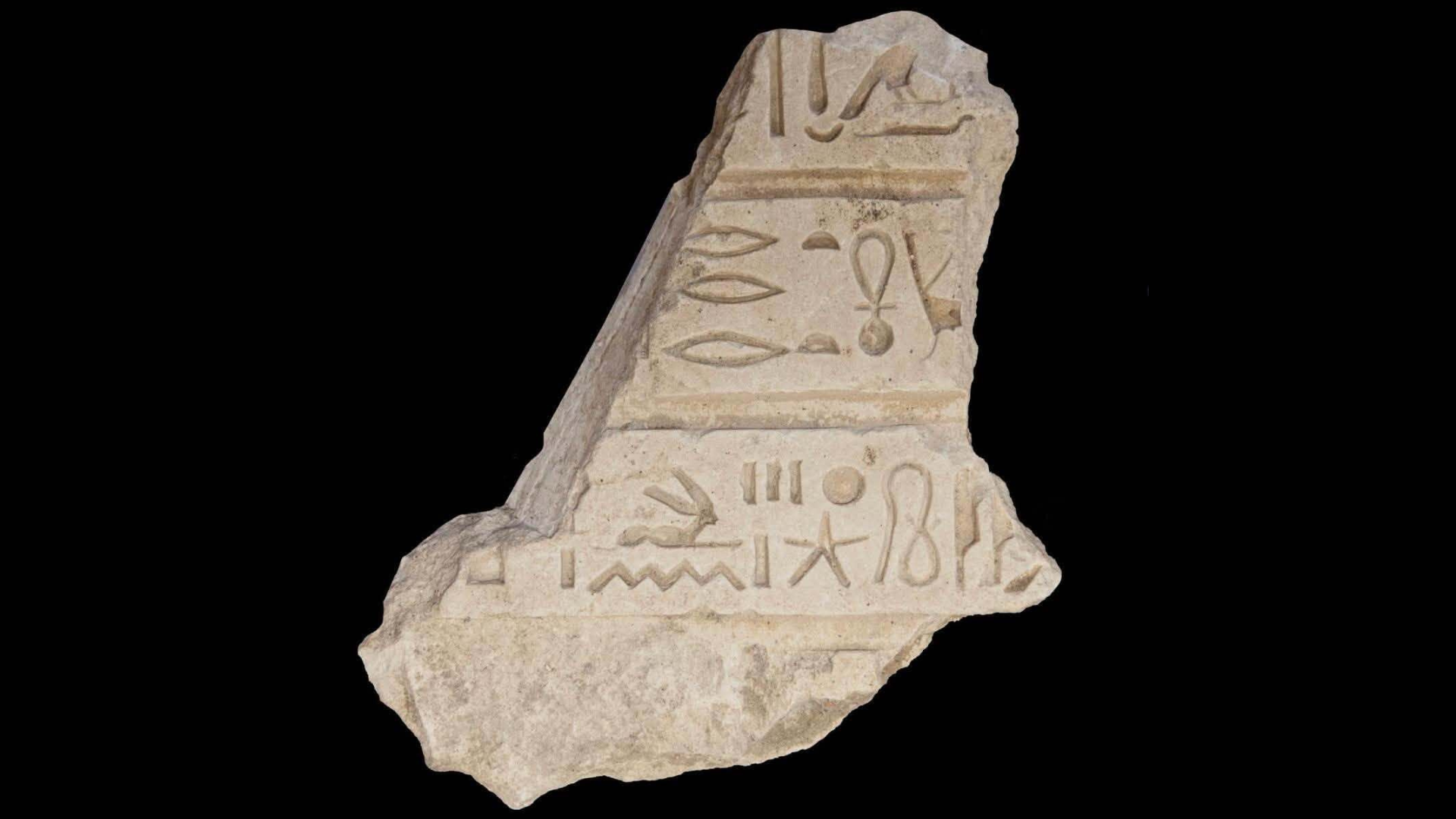
A 3,200-year-old Egyptian inscription found near an ancient military road may indicate the location of a long-lost city, archaeologists have announced.
Found at the site of Tell Abu Seifi (also spelled Seify), the inscription mentions Ramesses II, who reigned from about 1279 to 1213 B.C. It says that Horus , a falcon-headed ancient Egyptian god associated with the sky and war, is the "Lord of the City of Mesn," representatives of the Egyptian Ministry of Tourism and Antiquities said in a translated statement .
The team also found the remains of a temple dedicated to Horus at the archaeological site, they said in the statement. Unfortunately, "the temple was almost completely destroyed," making it difficult to get much information from it, Hesham Hussein , the director general of Delta and Sinai Archaeology at Egypt's Ministry of Tourism and Antiquities and a leader of the research team, told Live Science in an email.
Tell Abu Seifi is located by the Suez Canal, near the north Sinai Desert and the eastern Nile Delta. The presence of both the inscription that mentions Mesn and a temple of Horus at the site means there is a strong possibility that Tell Abu Seifi is, in fact, Mesn (also spelled Mesen), according to the statement. However, Hussein cautioned that more research is needed for archaeologists to be certain.
The ministry’s statement called Mesn a "lost city," and it is difficult to determine precisely when the city was founded or how large it was. "Because its archaeological identification has remained uncertain, we cannot currently provide a reliable estimate of its total extent or population," Hussein said.
If Tell Abu Seifi is Mesn, it seems to have existed for a long time. A bronze seal that was previously found at Tell Abu Seifi and dates to the Ptolemaic period (circa 304 to 30 B.C.) also has an inscription that says, "Horus, Lord of Mesen," Hussein noted, and coffins dating to the Ptolemaic period previously found at the site have similar inscriptions.
Horus also seems to have been extremely important to the people of Mesn. "The title "Horus, Lord of Mesen" directly connects the deity with the place, and the archaeological evidence from Tell Abu Seify supports the importance of this cult," Hussein said.
Get the world’s most fascinating discoveries delivered straight to your inbox.
Read Full Story at Live Science →