8 Google Chrome flags that fix the browser’s most annoying issues
Chrome gets a lot of flak for falling behind other popular browsers in terms of features. And yes, some of that criticism is fair. But there’s also a long list of Chrome features most people never to…
Affiliate links on Android Authority may earn us a commission. Learn more.
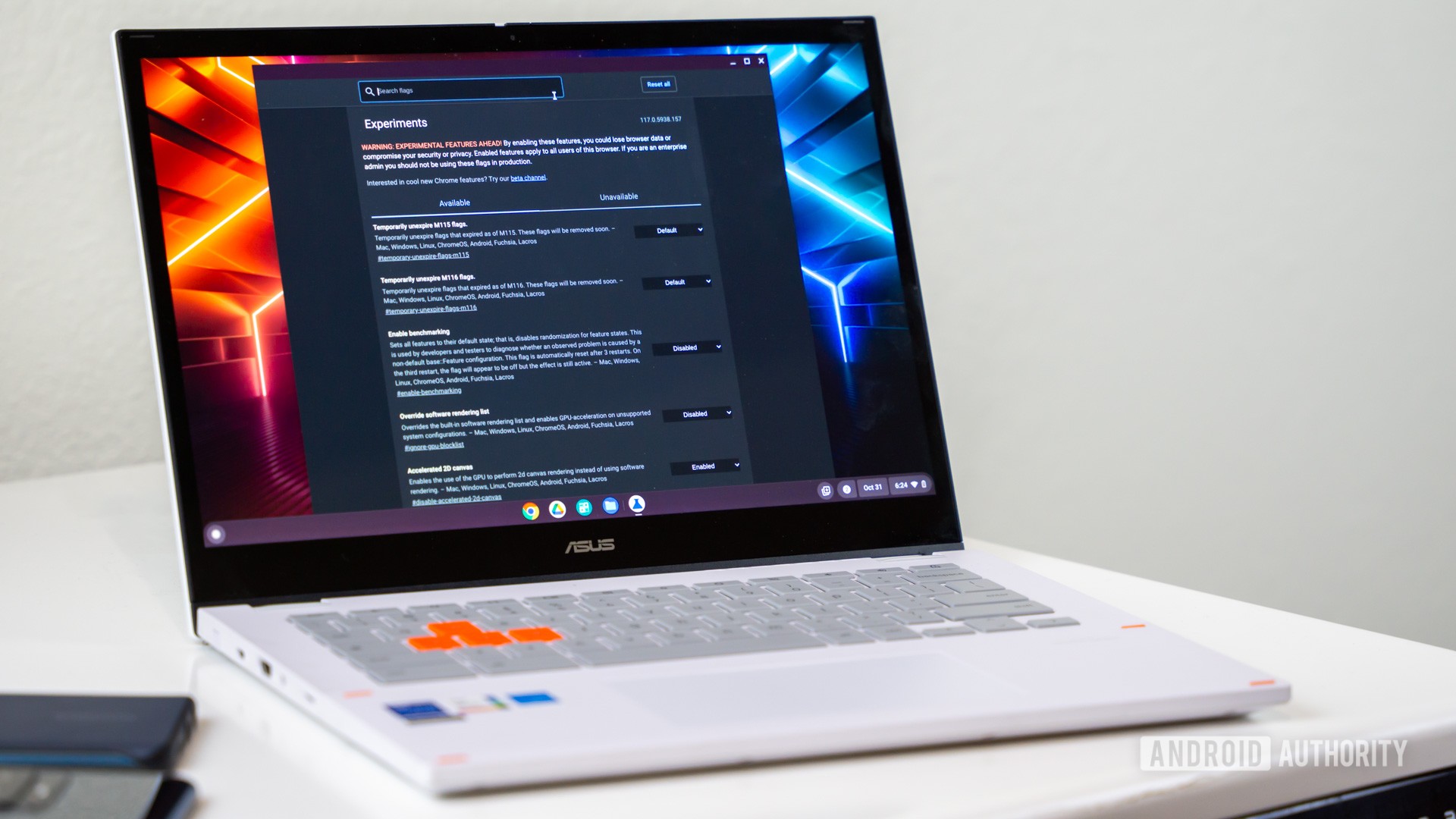
Chrome gets a lot of flak for falling behind other popular browsers in terms of features. And yes, some of that criticism is fair. But there’s also a long list of Chrome features most people never touch, simply because they’re buried in an experimental menu called “flags.”
These are all features that Google hasn’t officially shipped yet, but they’re there if you want to try them. And while some of them aren’t worth your time or just too technical to bother with, there are a few that fix some of the most annoying browsing problems.
Chrome lets you mute tabs so you don’t have to put up with sites that blast audio the moment you open them. The only thing is, it’s a two-step process. You first need to right-click the tab and choose Mute site .
Tab audio muting UI control is a simple flag that makes it easier. Enable it, and the audio indicator on the tab doubles as a mute button, which means you can click it directly to mute or unmute a tab. And now that I’ve done it, it feels like something Chrome should’ve shipped with by default.
When you download anything via Chrome, it pulls the file as a single stream. That’s not necessarily a problem, but if you’re grabbing something large and the servers start throttling you, your download speeds can tank.
Parallel downloading fixes this by splitting the file into smaller parts and downloading them all in one go. Once everything is downloaded, Chrome grabs different chunks of the file and stitches them back together. Most importantly, this trick can make your large downloads finish faster than usual.
It’s 2026, and yet, there are sites that still haven’t adopted dark mode yet (looking at you, Amazon). And for anyone who prefers dark mode everywhere, that’s a deal breaker. Sure, there’s no shortage of third-party extensions that can fix this. Personally, though, I prefer the Auto dark mode for web contents flag since it also works on Android.
Read Full Story at Android Authority →