New study challenges 60-year-old theory on insect social behavior
A new study challenges the long-standing belief that the genetic system haplodiploidy is the primary driver of social behavior in ants, bees, and wasps, suggesting that environmental factors and beha…
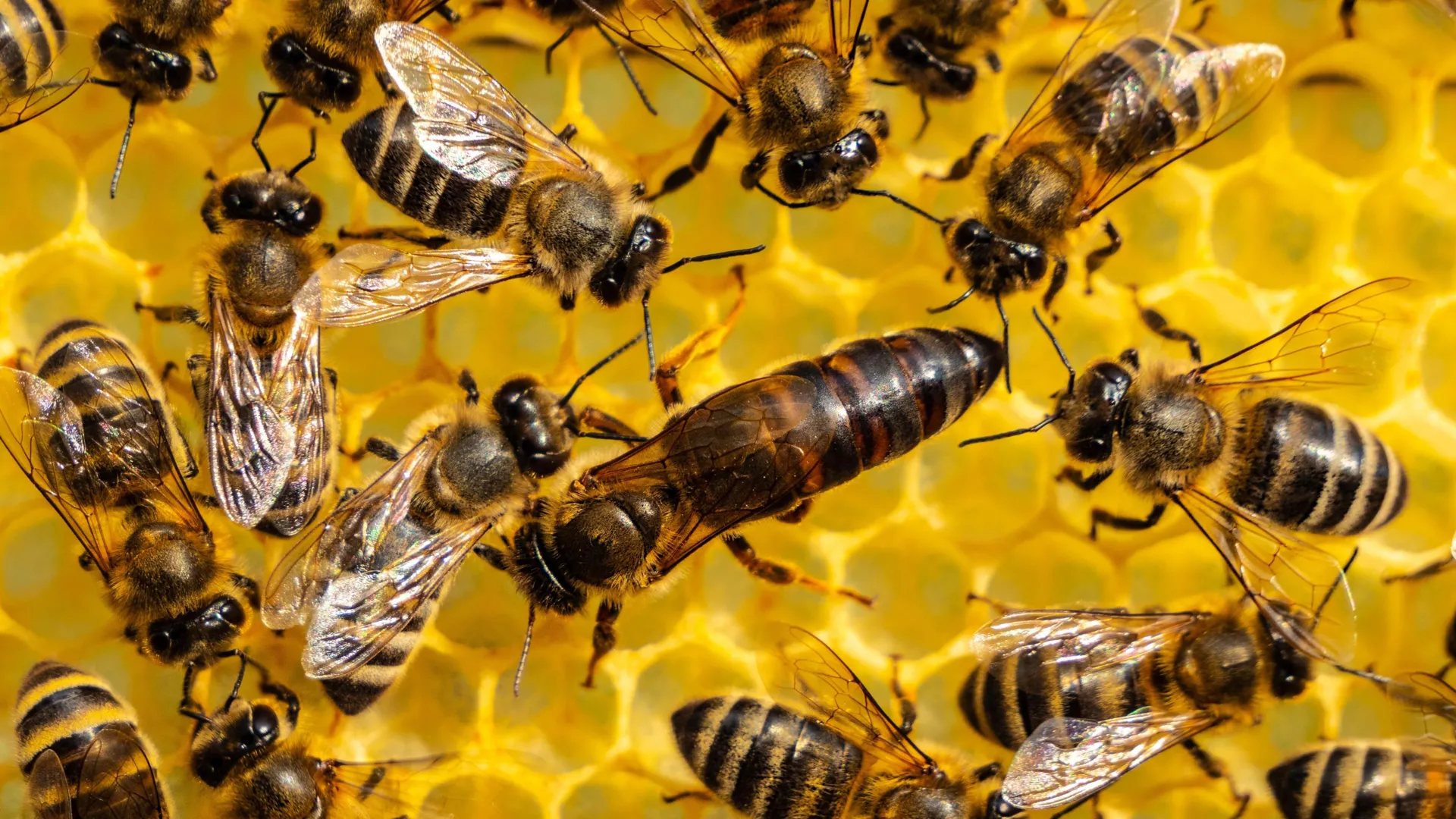
A new analysis challenges the long-held belief that a unique genetic system is solely responsible for the evolution of social colonies in ants, bees, and wasps. Researchers found that genetics alone cannot account for the complex behaviors and social structures observed in these insects. This study, published in a leading scientific journal, highlights the need to reconsider the traits that have driven the success of these species.
For decades, scientists believed that a specific genetic mechanism, known as haplodiploidy, played a crucial role in the development of these social insects. In haplodiploidy, fertilized eggs develop into females and unfertilized eggs become males. This genetic system was thought to promote altruistic behavior among sisters, strengthening colony dynamics. However, the new research reveals that this genetic explanation may be too simplistic and that other factors, such as environmental influences and behavioral traits, also play significant roles in the evolution of sociality.
The study involved a comprehensive analysis of various ant, bee, and wasp species, encompassing genetic data, social structures, and ecological contexts. Researchers observed that social behavior is not solely dictated by genetics but is also influenced by environmental factors and interactions within colonies. This finding aligns with broader trends in evolutionary biology, where the interplay of genetics and environment is increasingly recognized as critical in shaping species traits and behaviors.
Moving forward, this research could reshape how scientists study the evolution of social insects. By emphasizing the importance of behavioral and environmental factors, researchers may uncover new insights into the complex dynamics of insect societies. Understanding these mechanisms could have implications for biodiversity conservation and ecosystem management, as social insects play vital roles in pollination and decomposition. This shift in perspective underscores the importance of examining all facets of evolution, rather than relying on a singular genetic narrative.
Read Full Story at ScienceDaily →