Syria bans women from university courses, limiting academic opportunities
Syria has banned women from most courses at two new security-focused universities, limiting their academic opportunities and forcing some to reconsider their future in fields like engineering. This p…
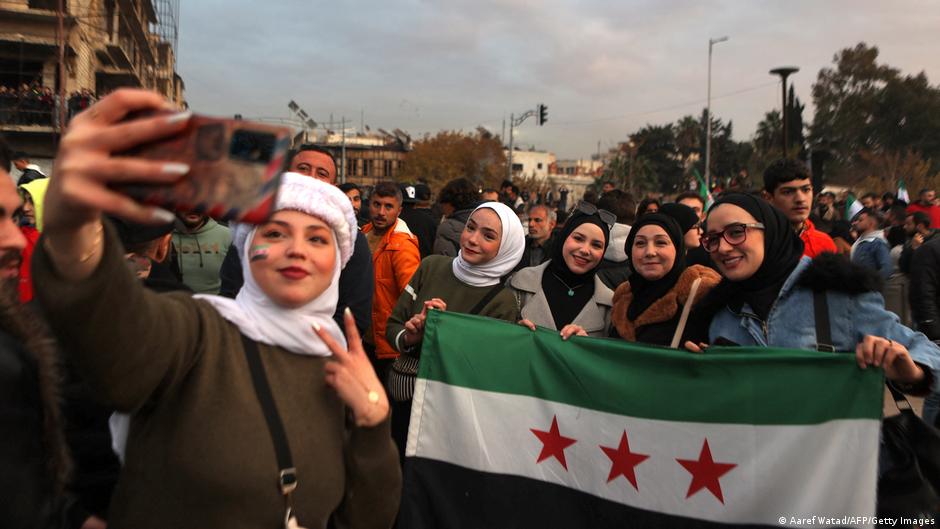
Syria’s education ministry announced on 2 October that women are barred from most courses at the newly created National University of Defense Sciences and the Syrian University for Security Sciences, a move that threatens the academic plans of students such as 23‑year‑old Lin Najab, who is currently studying mechatronics engineering in Damascus. Najab said she had hoped to pursue a master’s degree, but the new rules force her to consider relocating to another province or abandoning her field altogether.
The policy applies to two security‑focused institutions that opened earlier this year. The defense university now limits several engineering and technical programmes to male students, while the security university excludes women from almost all its courses. The change comes amid a broader push to align higher education with the state’s security and military priorities. Graduates of the defense university must serve in the Syrian army, and those from the security university are required to commit up to 20 years to internal security forces, linking the bans directly to military staffing needs.
Women’s rights activists and ordinary citizens have reacted sharply. Najab argued that gender does not determine ability and that Syria needs the best graduates, regardless of sex. Aleppo activist Fatoun Kharbatli echoed that sentiment, calling the restrictions a step back after decades of oppression. In contrast, Qamar al‑Yaser, a mother from rural Damascus, defended the ban, saying the excluded fields demand physical strength, long travel and overnight stays that she believes suit men more than women. The debate highlights a clash between traditional views of gender roles and calls for modern, merit‑based education.
If the restrictions remain, many female students may be forced to leave Damascus, face uncomfortable dormitory conditions, or abandon their chosen careers. The policy also raises questions about the government’s willingness to integrate women into the armed forces and security sector. International observers are watching to see whether the bans will be softened under pressure, or whether they signal a broader tightening of gender‑based controls in Syria’s public institutions.
Read Full Story at DW World →