A cancer vaccine made just for you. mRNA is back and it's fighting melanoma
Connie Franciosi, 80, was part of a trial that looked at using an mRNA vaccine and an immunotherapy drug to prevent the recurrence of melanoma. Lynn Winkler hide caption Connie Franciosi, 80, noticed a suspicious spot on her skin and was diagnosed with melanoma in 2020. "It was
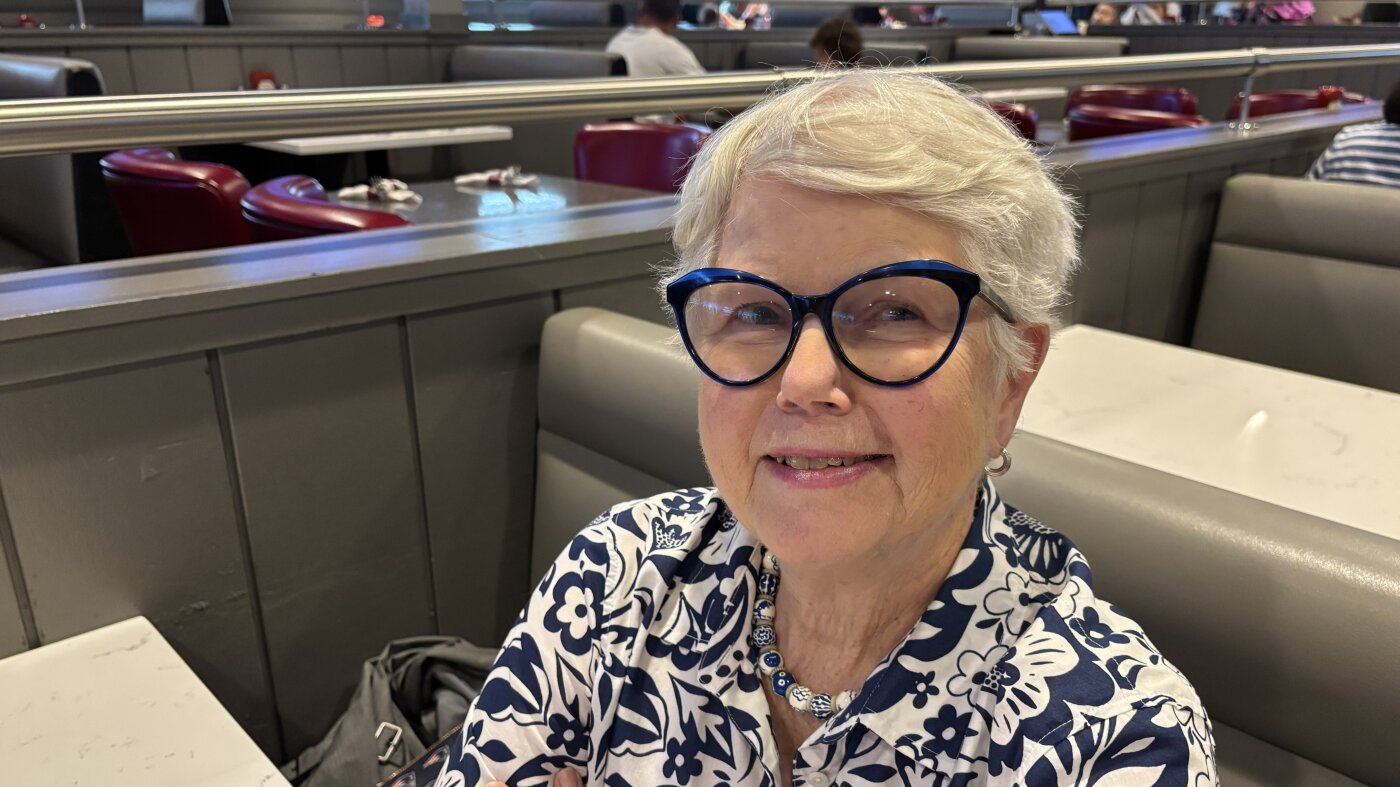
Connie Franciosi, 80, was part of a trial that looked at using an mRNA vaccine and an immunotherapy drug to prevent the recurrence of melanoma. Lynn Winkler hide caption
Connie Franciosi, 80, noticed a suspicious spot on her skin and was diagnosed with melanoma in 2020. "It was considered a late diagnosis," she says.
The skin cancer can be difficult to treat if it's not detected and treated early, and it can spread to other parts of the body. There are approximately 112,000 melanomas diagnosed in the U.S. each year and about 8,500 deaths.
After Franciosi had surgery to remove the melanoma, she was told she had a high risk of recurrence and was offered a spot in a clinical trial testing a new messenger RNA (mRNA) vaccine combined with Keytruda, an immunotherapy drug.
At the time, mRNA technology was in the news because of the recently developed Moderna COVID-19 vaccine. This melanoma trial, which included 157 patients in Australia and the U.S., all of whom had surgery to remove their tumors, was set up to test whether the same mRNA technology could be used to create a personalized cancer vaccine, explains Dr. Janice Mehnert . Mehnert is a melanoma specialist and researcher at NYU Langone Health and senior author of a new paper published Monday analyzing the five-year results.
"This is an incredibly interesting trial because the approach is just so unique," Mehnert says. "It is a personalized immunotherapy strategy," tailored to each patient's tumor.
Want the latest stories on the science of healthy living? Subscribe to NPR's Health newsletter .
The results are striking. After five years of follow-up, 68.8% of patients who received the combination therapy remained cancer-free, she says, compared with 49.1% of patients who received Keytruda alone, which amounts to a 49% reduction in risk. "That's pretty exciting," Mehnert says.