Here are a
An Indian Air Force fighter pilot spent 18 months battling recurring headaches before doctors identified migraine as the cause and cleared him to fly again. The pilot first sought help from a civilia…
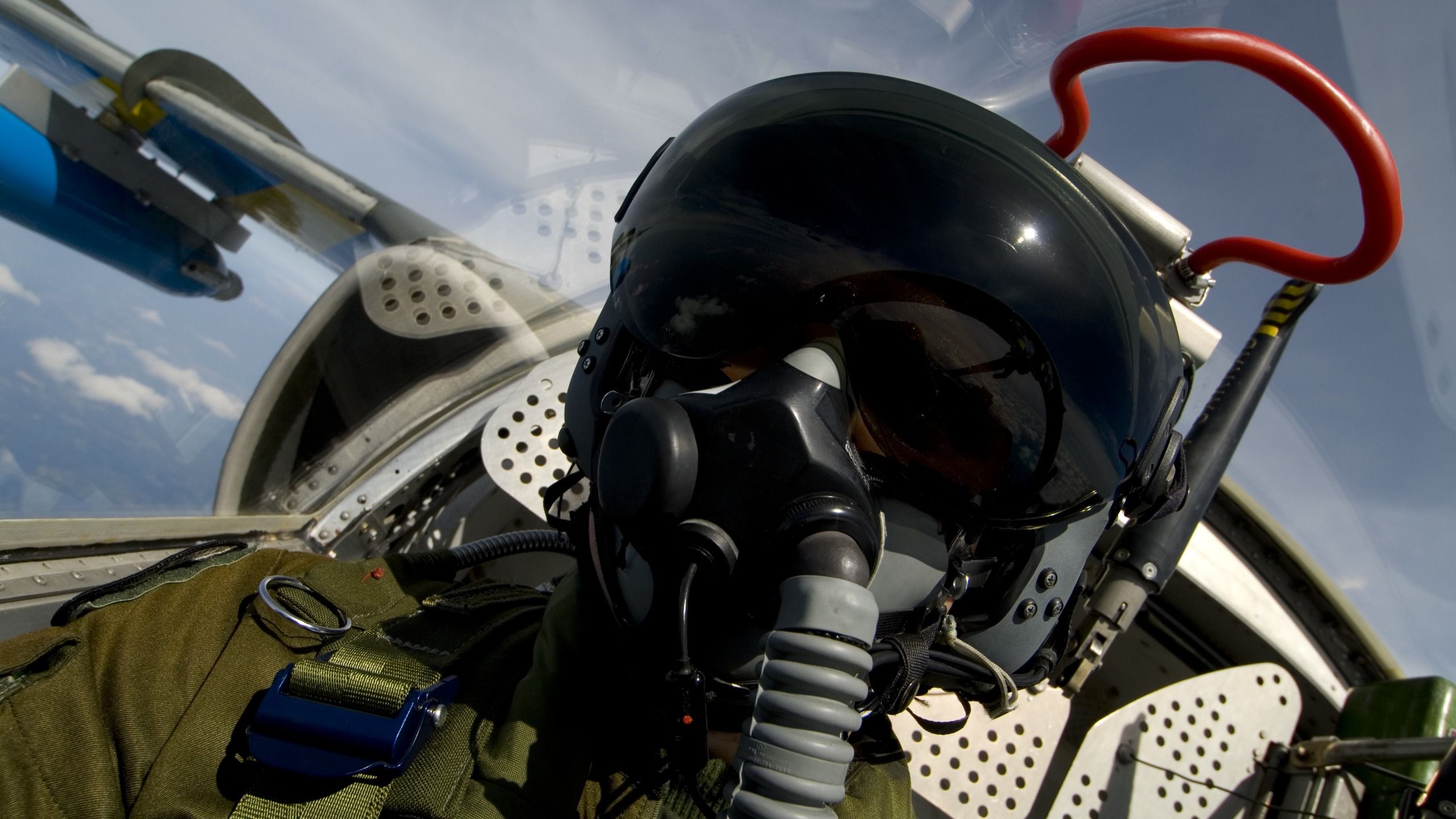
An Indian Air Force fighter pilot spent 18 months battling recurring headaches before doctors identified migraine as the cause and cleared him to fly again. The pilot first sought help from a civilian neurologist after the pain began appearing two to three times a month, each episode starting in the late afternoon and lasting up to three days. The attacks struck mainly on the right side of his head, sometimes spreading to the left, and were severe enough to force him to miss scheduled flights. When he flew during an episode, the headache worsened the following day.
Migraines are a common trigger for headaches, but they are often overlooked in high‑stress professions like military aviation, where fatigue and operational demands can mask underlying conditions. The pilot reported no financial or relationship stress, no recent illnesses, and no family history of chronic headaches or migraine. He also lacked typical migraine warning signs such as nausea, vomiting, or visual auras. A civilian doctor nonetheless diagnosed migraine and prescribed divalproex, a preventive medication meant for long‑term use, prompting the pilot to seek a second opinion at a military medical facility.
Military doctors ran a full battery of tests, including blood work, a CT scan and a nasal endoscopy. All results were normal, and the endoscopy only revealed a minor deviated septum that was ruled out as a pain source. Confirming the civilian diagnosis, the specialists treated the pilot with sumatriptan at the first sign of pain and aspirin during attacks. He was allowed to resume flying under restricted conditions and required monthly neurologist reviews for three months. Four months after the new regimen began, the pilot reported being headache‑free and stopped taking medication altogether.
The case underscores the importance of thorough neurological screening for aviators, whose performance hinges on clear cognition and physical health. It also highlights how migraines, though often dismissed as stress‑related, can impair mission readiness and may require targeted treatment. Military medical services are likely to use this example to refine protocols for diagnosing and managing headache disorders in pilots, ensuring both safety and operational effectiveness.
Read Full Story at Live Science →