A flesh-eating New World screwworm was just found in a Texas cow—here’s what to know
A flesh-eating New World screwworm was just found in a Texas cow—here’s what to know This marks the first case of the New World screwworm in U.S. livestock since the parasite was eliminated in the country in the 1960s The first case of the New World screwworm in a U.S. cow in a
A flesh-eating New World screwworm was just found in a Texas cow—here’s what to know
This marks the first case of the New World screwworm in U.S. livestock since the parasite was eliminated in the country in the 1960s
The first case of the New World screwworm in a U.S. cow in about 60 years has been detected, the U.S. Department of Agriculture confirmed yesterday . It is the first instance of the agricultural pest in cattle since it was eliminated in the U.S. in 1966.
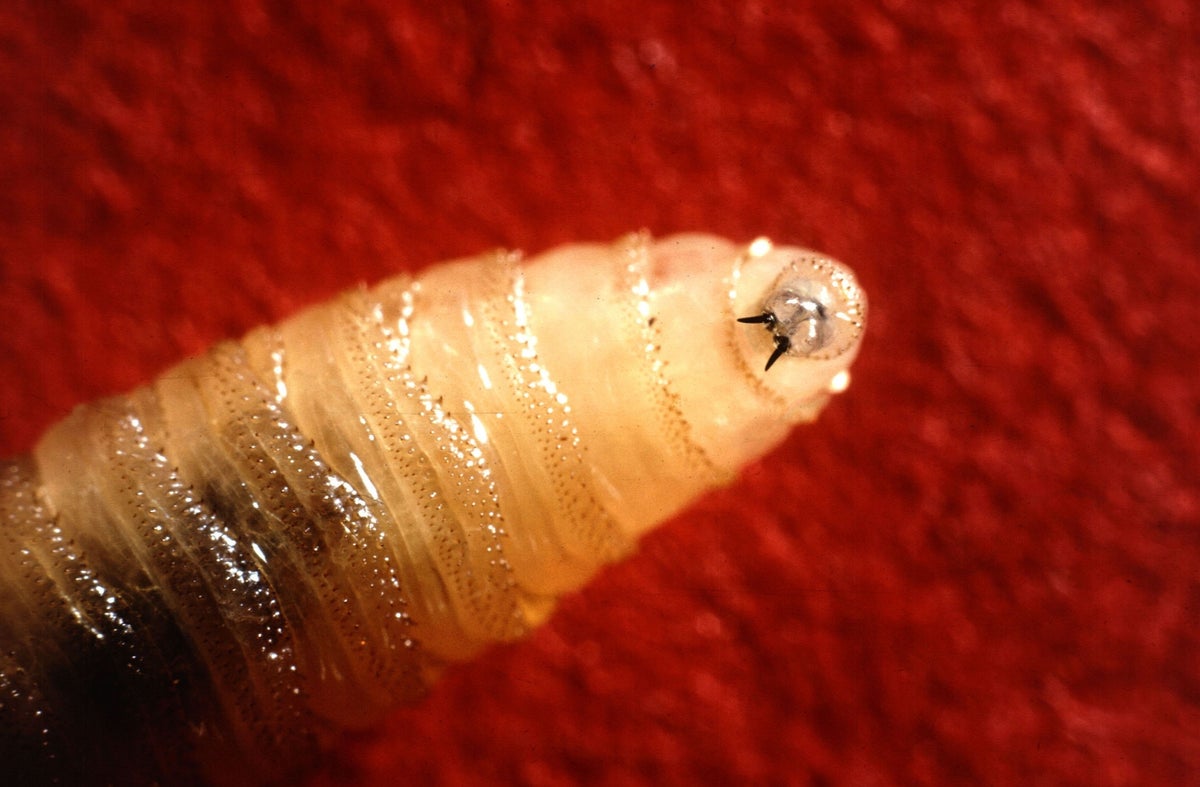
Screwworms are parasitic flies that lays their eggs in open wounds or cuts or in the eyes, ears, mouth, nose or genitals of warm-blooded animals—including humans. The maggots hatch and burrow through the skin, causing painful, foul-smelling wounds.
Livestock in the southern U.S. and Mexico suffered devastating screwworm outbreaks in the first half of the 20th century. But the parasite was eliminated in those nations thanks to a wildly successful effort called the sterile insect technique, which involved the release of sterile flies in Panama that caused the fly population to collapse.
If you're enjoying this article, consider supporting our award-winning journalism by subscribing . By purchasing a subscription you are helping to ensure the future of impactful stories about the discoveries and ideas shaping our world today.
Yet the New World screwworm remained endemic to the Caribbean and South America, where, in 2005, it was estimated to cause annual economic losses of around $6.1 billion in today’s dollars. And in recent years the fly has been spreading northward through Central America. Experts had been warning that it was only a matter of time before it arrived in the U.S.
The new infection was detected in a three-week-old calf in Zavala County, Texas; it was found in the calf’s umbilical area, according to the USDA.