A HRW report shows how South Korean women face systemic barriers to climbing the career ladder
At 27, a woman in South Korea earns 8% less than male peers. By her late 50s, she earns 50% less. This is according to government wage data published in a recent Human Rights Watch (HRW) report. Sou…
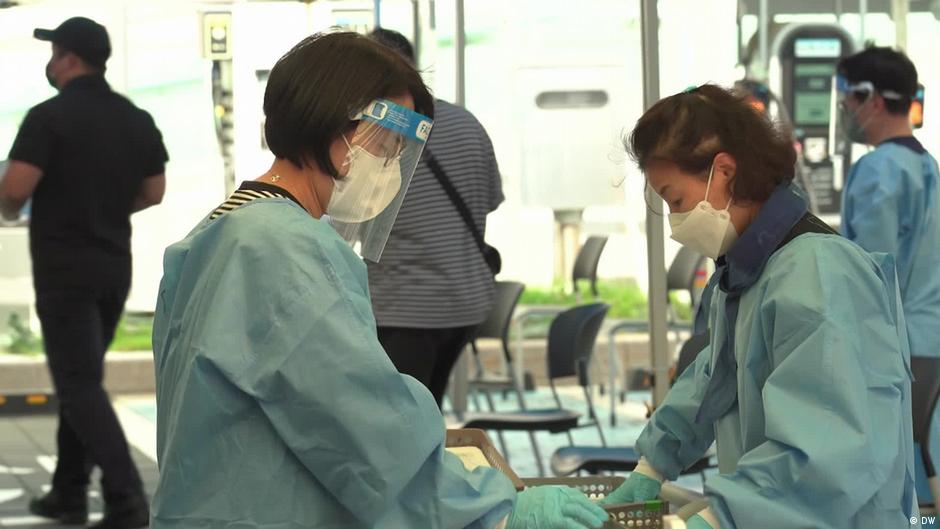
At 27, a woman in South Korea earns 8% less than male peers. By her late 50s, she earns 50% less. This is according to government wage data published in a recent Human Rights Watch (HRW) report.
South Korea is a global technology and industrial powerhouse, but its gender pay gap has remained the highest in the Organization for Economic Cooperation and Development (OECD) since comparable records began in 1992.
"The gender division of labor inside the home leads directly to a gender division of labor in the labor market," Min Hee Kim, a Korean activist for women labor struggles, told DW.
The problem, she argues, is not simply that women are paid less than men. As women age, the kinds of work available to them narrows and the consequences of lower pay, career breaks and precarious jobs accumulate.
For the report , "Too Old and a Woman," HRW interviewed 41 South Korean women aged 28 to 87 about their working lives.
Discrimination has changed form rather than disappeared, Kim said. Until the 1980s, it was legal for employers to fire women simply for getting married, a practice known as "marriage-based dismissal," where employers assumed a married woman would soon leave to raise children anyway.
Today, "it is difficult to openly say, 'We won't hire you because you're a woman,'" Kim added. But caregiving responsibilities still fall on women , pushing them into lower-paid jobs when they try to return to work.
According to the HRW report, women's university attainment has passed men's since the 1980s. Higher education would suggest equal opportunity after graduation, but the job market says otherwise.
Read Full Story at DW World →