A new study says homing pigeon livers act like compasses. Other experts aren’t so sure
A new study says homing pigeon livers act like compasses. Other experts aren’t so sure How animals use Earth’s magnetic field to navigate is one of biology’s biggest unsolved mysteries. This study proposes a totally new source for the sixth sense By Joseph Howlett edited by Cla
A new study says homing pigeon livers act like compasses. Other experts aren’t so sure
How animals use Earth’s magnetic field to navigate is one of biology’s biggest unsolved mysteries. This study proposes a totally new source for the sixth sense
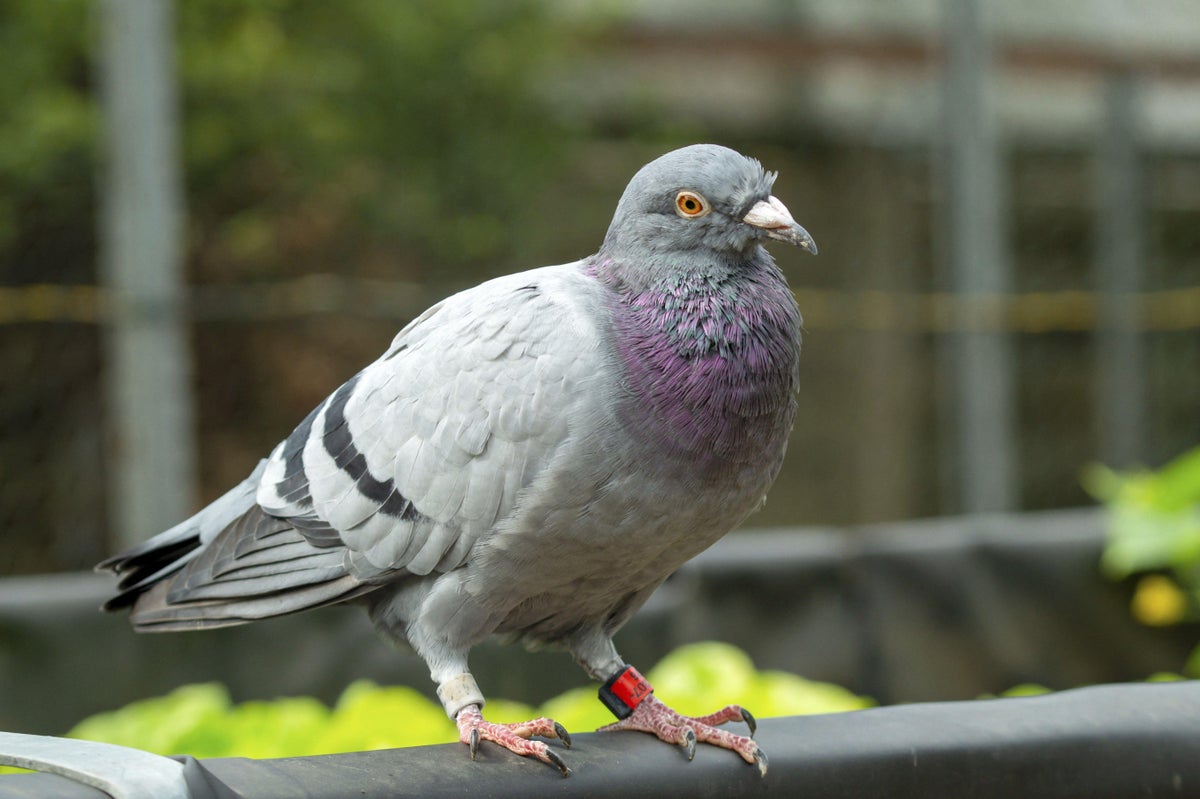
A new theory claims to have solved the long-standing conundrum of how homing pigeons use Earth’s magnetic field to find their way. The hypothesis: pigeon livers act like compasses. Biologists have been unable to confirm the myriad previous theories for the pigeons’ navigational abilities —from magnetite in their beaks to quantum entanglement in their eyes—and some experts are already saying the new theory doesn’t stand up to scrutiny, either.
The study, published today in Science , finds that homing pigeon livers are packed with magnetic immune cells containing a specific form of iron and that removing these cells messes with the birds’ navigation.
The study authors haven’t established how the pigeons might glean geographic information from these cells, but they’re optimistic that they will figure this out soon. “What we think we found here really fits all the evidence that’s out there,” says Martin Wikelski, a researcher at the Max Planck Institute of Animal Behavior in Radolfzell, Germany, and a co-senior author of the study. He thinks the new hypothesis could be “possibly happening from bees to mammals and bats to all kinds of birds, and so on.”
If you're enjoying this article, consider supporting our award-winning journalism by subscribing . By purchasing a subscription you are helping to ensure the future of impactful stories about the discoveries and ideas shaping our world today.
But other experts aren’t so confident. “I am not convinced,” says Joe Kirschvink, a geobiologist at the California Institute of Technology, who has studied the relationship between Earth’s magnetic field and animals for decades and was not involved in the new study. “I am surprised this paper cleared the review process for Science .”
The new theory rests on macrophages in homing pigeons’ livers—these immune cells are the body’s garbage disposal. When a red blood cell dies, the carcass—and the iron it contains—doesn’t just lay around, or it would inflame the surrounding tissue. That’s where macrophages come in. “They are the vacuum cleaners of the immune system,” says Christian Kurts, an immunologist at the University Hospital Bonn in Germany and one of the study’s co-senior authors. Periodically, macrophages empty their trash bags, recycling the iron back into the bone marrow to create new red blood cells. “But until then, the macrophages are full of iron,” Kurts says.