CDC excludes two US measles deaths from official stats
Two US measles deaths are excluded from CDC statistics due to state reporting gaps. This discrepancy obscures the true outbreak severity, undermining public health tracking and response efforts.
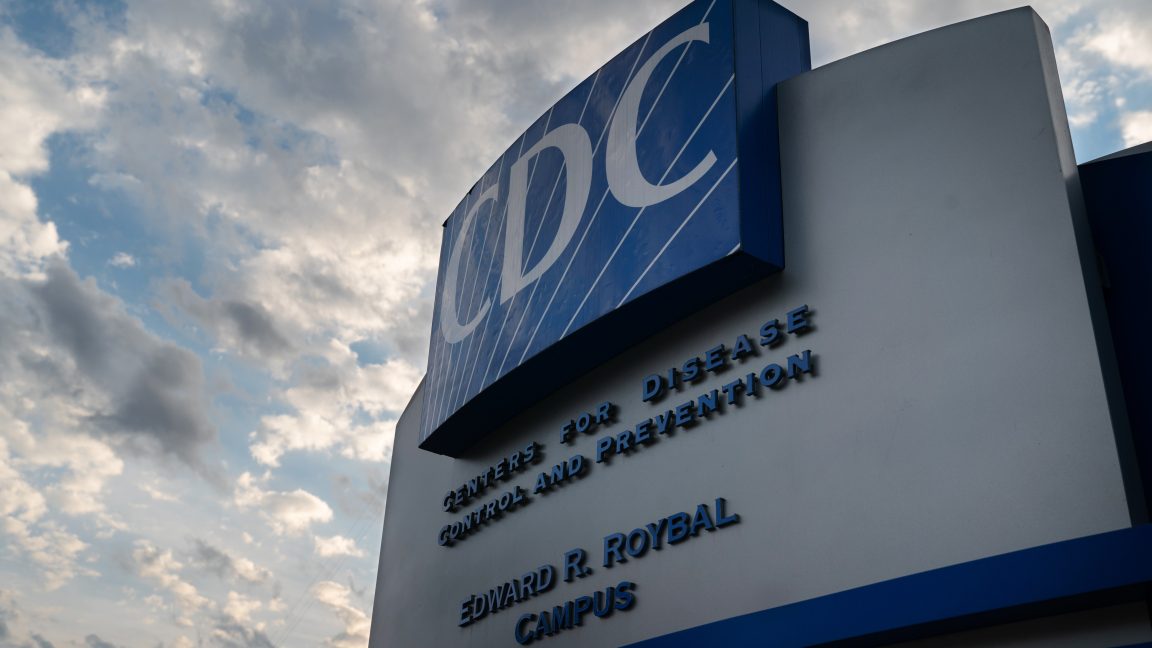
A newborn and a young child in the United States have reportedly died from measles, but the Centers for Disease Control and Prevention is not including these fatalities in its official national death toll. This discrepancy highlights a critical structural gap in how the federal government tracks infectious diseases. The CDC relies on data reported by state and local health departments to compile its national statistics. If a state health department does not formally verify a case or a death as measles-related, the CDC cannot count it in its federal ledger. This means the official numbers released by Washington may not reflect the full scope of the crisis on the ground, creating a disconnect between federal data and local reality.
The measles virus is highly contagious and can be deadly, particularly for infants who are too young to be vaccinated. The routine childhood vaccine is safe and effective, preventing the disease in the vast majority of recipients. However, measles cases have surged in recent years due to pockets of low vaccination coverage. Some communities have seen vaccination rates drop below the threshold needed for herd immunity. This allows the virus to spread rapidly once it enters a community. The recent deaths underscore the severe risks associated with outbreaks in under-vaccinated populations. Infants under twelve months of age cannot receive the measles vaccine, making them entirely dependent on the immunity of those around them. When vaccination rates fall, these vulnerable infants are left exposed to a disease that can cause pneumonia, encephalitis, and death.
Historically, the authority to determine whether a death or illness is caused by measles rests with state and local health officials. The CDC does not independently investigate every potential case across the country. Instead, it aggregates the data provided by the fifty states, the District of Columbia, and US territories. This system assumes that state health departments are actively investigating outbreaks and reporting accurate data. However, resources for public health have been strained in many states. Staffing shortages and competing priorities can delay or complicate the verification process. In some instances, a death may be attributed to a complication like pneumonia without explicitly linking it to measles in the official report. This technicality can exclude the death from federal measles mortality counts, even if the underlying cause was the virus.
This reporting gap matters because accurate data drives public health policy and resource allocation. If the federal government undercounts deaths, it may underestimate the severity of the outbreak. This can lead to insufficient funding for vaccination campaigns and public education efforts. It also undermines public trust when official numbers appear to contradict reports from local hospitals and health departments. The CDC has acknowledged the importance of timely and accurate data but remains bound by the information it receives from state partners. Public health experts are calling for better coordination and more robust surveillance systems. They argue that every preventable death should be counted and analyzed to prevent future tragedies. As measles continues to circulate, the pressure is on state and federal agencies to align their reporting. The goal is to ensure that the data reflects the true burden of the disease. Only then can policymakers make informed decisions to protect the most vulnerable members of society. The next steps involve improving communication between state health departments and the CDC. Enhanced training and support for local officials could help ensure that all measles-related deaths are properly documented. This systemic improvement is essential for effective disease control and prevention.
Read Full Story at Ars Technica →