Melanoma vaccine halves recurrence risk in trial
A personalized mRNA melanoma vaccine cut recurrence risk to 27.8% vs. 52.8% for placebo over five years. This breakthrough offers a targeted, long-term prevention option for high-risk patients, potentially reducing reliance on harsh treatments.
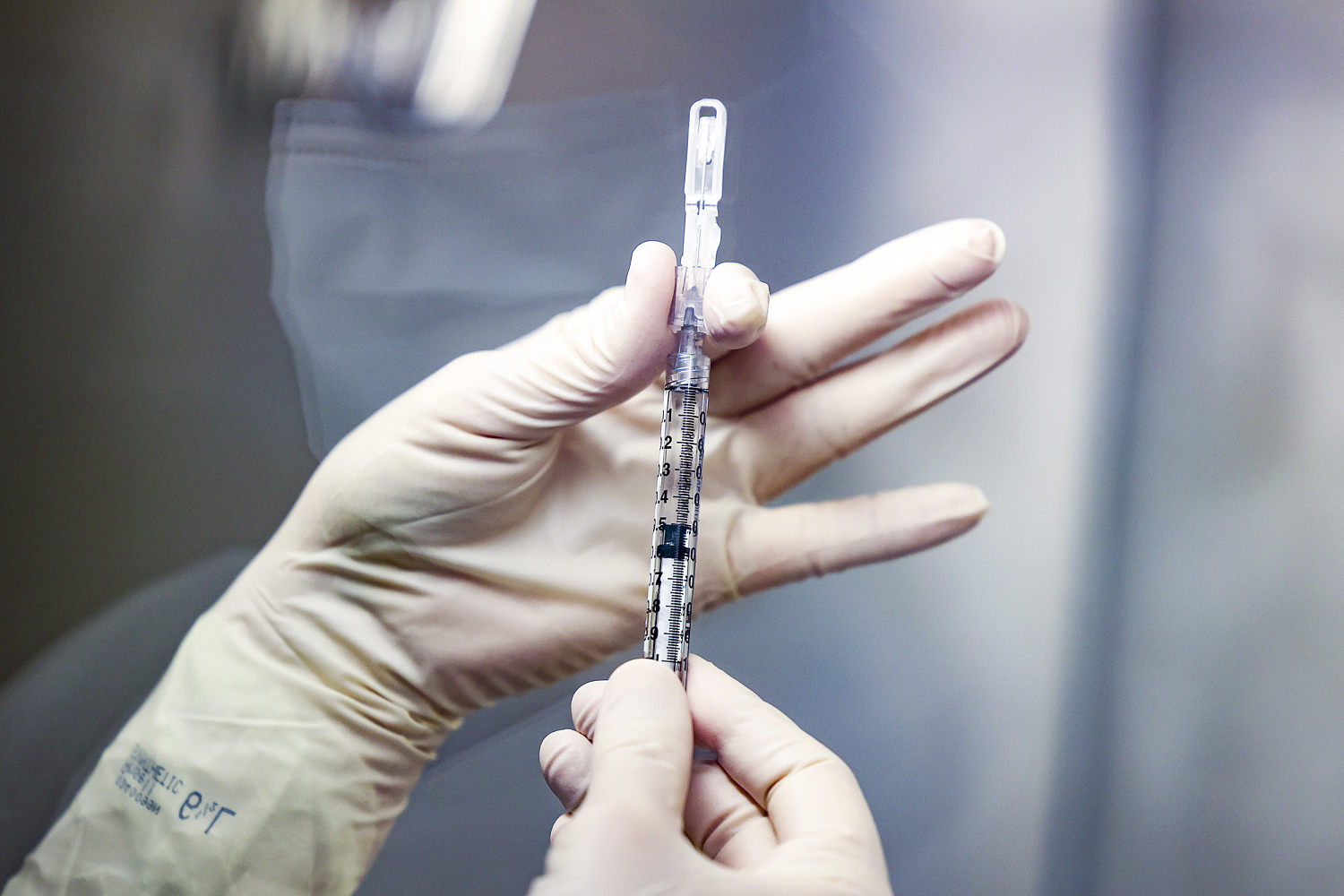
A personalized cancer vaccine slashed the risk of melanoma returning after five years by nearly half, new trial results show. Researchers tested the mRNA vaccine—similar to Covid jabs—in 107 people whose melanoma had been surgically removed but was at high risk of coming back. After a follow-up of five years, only 27.8% of those who got the vaccine saw their cancer return, compared with 52.8% in the placebo group.
The vaccine works by training the immune system to spot and attack cancer cells carrying specific genetic mutations. Unlike standard treatments, it’s tailored to each patient’s tumor, meaning doctors sequence the patient’s cancer DNA first, then design a unique shot. The five-year trial data, published in the journal Nature, marks the first time a personalized cancer vaccine has shown such strong long-term results in melanoma, a fast-moving skin cancer that kills thousands each year.
Why this matters: melanoma is the deadliest form of skin cancer, and once it spreads, survival rates drop sharply. Current treatments like immunotherapy can save lives but don’t work for everyone and often come with harsh side effects. A vaccine that prevents recurrence could spare thousands from grueling chemo, harsh drugs, and the fear of the disease returning. It’s also a step toward a future where cancer is treated like a chronic condition, managed with targeted jabs rather than broad-spectrum treatments.
The trial’s success paves the way for larger studies and could extend to other cancers. While the vaccine is still years away from widespread use, the results are a bright spot in a field where progress has been slow. For now, the focus is on refining the approach and making it accessible. If it holds up in bigger trials, it could change how doctors treat cancer—turning it from a life sentence into something preventable.