Brazilian indigenous leaders urge UN to protect ancestral lands during energy transition
Brazilian indigenous leaders warned the UN that the transition to renewable energy must not repeat colonial violence by infringing on their ancestral lands, particularly citing the Ferrovia de Integr…
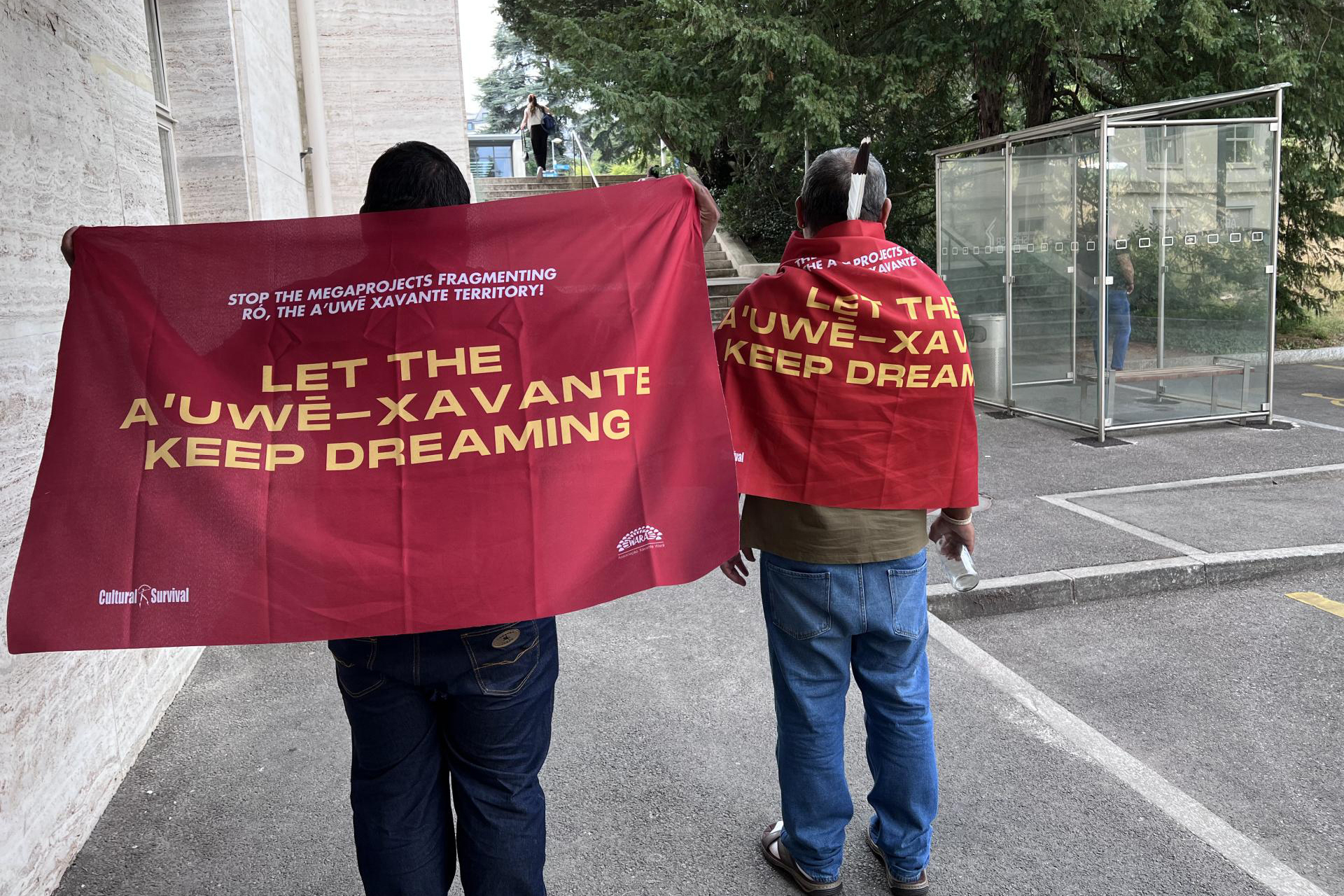
Indigenous leaders from Brazil addressed the United Nations this week, delivering a stark warning that the global transition to renewable energy must not replicate the patterns of historical colonial violence. Speaking at the climate summit, representatives of the Xavante people and other Amazonian tribes argued that green infrastructure projects are increasingly encroaching on their ancestral lands without consent. They highlighted the specific threat posed by the Ferrovia de Integração do Centro-Oeste, a massive railway project cutting through the Mato Grosso state. For the Xavante, this area is not just land but a living archive of their culture. The river they call Owawê holds their sacred territories, villages, and cemeteries. It is also the site of the ear-piercing ritual, a critical rite of passage that marks the transition of boys into manhood. By allowing industrial expansion in these zones, the Brazilian government is effectively erasing the physical and spiritual foundations of indigenous existence. The leaders made it clear that environmental progress cannot come at the cost of indigenous rights. They demanded that the international community recognize that justice for people and justice for the planet are inextricably linked. Without this recognition, the climate agenda remains fundamentally flawed and ethically compromised.
This confrontation at the UN reflects a growing global tension between urgent climate goals and the protection of indigenous sovereignty. The world is racing to decarbonize its economy, which requires vast amounts of raw materials like iron ore, soy, and timber. Brazil sits at the center of this supply chain. The government has promoted the Ferrovia de Integração do Centro-Oeste as a vital piece of national infrastructure designed to improve logistics and boost exports. Officials argue that better transport links are necessary for economic development and can reduce the carbon footprint of freight by shifting goods from trucks to trains. However, this narrative ignores the human cost on the ground. The railway cuts directly through protected indigenous territories. For decades, these communities have fought legal and physical battles to defend their lands against miners, loggers, and farmers. Now, they face a new adversary: the green economy. International investors and governments are eager to source materials for electric vehicles and solar panels, often turning a blind eye to the land grabs that facilitate extraction. This creates a paradox where efforts to save the climate are actively destroying the cultures that have historically protected the rainforest. Indigenous groups are the most effective guardians of the Amazon, yet they are being displaced by the very industries claiming to fight climate change.
The figures behind this struggle underscore the scale of the threat. The railway project spans hundreds of kilometers and is backed by billions in federal investment. It facilitates the transport of agricultural commodities and minerals from the interior of Brazil to export ports. While the economic benefits are projected to be significant for the national GDP, the local impact is devastating. Indigenous leaders point out that deforestation rates in areas near such infrastructure projects often spike. The fragmentation of the forest disrupts wildlife corridors and isolates communities. Moreover, the influx of workers and machinery brings social risks, including violence and disease. The Xavante delegation emphasized that their consent was never sought. Brazilian law requires free, prior, and informed consent for projects affecting indigenous lands, but this requirement is frequently ignored or bypassed through political pressure. The leaders at the UN called for binding international standards that prevent green projects from violating human rights. They argued that without accountability, the global energy transition will simply shift exploitation from one form to another, leaving the most vulnerable populations to bear the burden.
The outcome of these discussions will shape the future of both climate policy and indigenous rights. The UN has platforms to pressure governments and corporations, but enforcement remains weak. Brazil faces intense scrutiny from international partners who are increasingly tying trade deals to environmental and human rights standards. If the railway proceeds without adequate safeguards, it could set a dangerous precedent for other green infrastructure projects worldwide. Indigenous groups are now leveraging global attention to demand real change, not just rhetorical support. They want legal protection, land demarcation, and a seat at the table for all future energy projects. The message from the Amazon is clear: there is no sustainable future that excludes the people who have lived in harmony with the forest for millennia. As the world races to meet net-zero targets, it must decide whether it values abstract carbon metrics over the tangible rights of indigenous communities. The next few months will be critical as new regulations are debated and investment decisions are finalized. The eyes of the world are on Brazil, and the verdict will determine whether the green transition is truly just or merely a new chapter in an old story of dispossession. The stakes could not be higher for the survival of both the rainforest and the cultures that sustain it.
Read Full Story at Inside Climate News →