Study reveals acorns predict rise in Lyme disease-carrying ticks
Research indicates that acorn production can predict increases in Lyme disease-carrying ticks, with high acorn years leading to a 30-40% rise in infected nymphs two years later. This finding shifts t…
Researchers have shown that the number of acorns that fall each autumn can predict a surge in Lyme‑carrying black‑legged ticks up to two years before the disease spikes, a finding that could reshape public‑health forecasting across the United States. The study, published in *Scientific American*, tracked oak mast events and tick counts across the Northeastern corridor from 2000 to 2022, concluding that high‑acorn years reliably preceded a 30‑40 % rise in infected nymphs two seasons later, while deer abundance showed no consistent link.
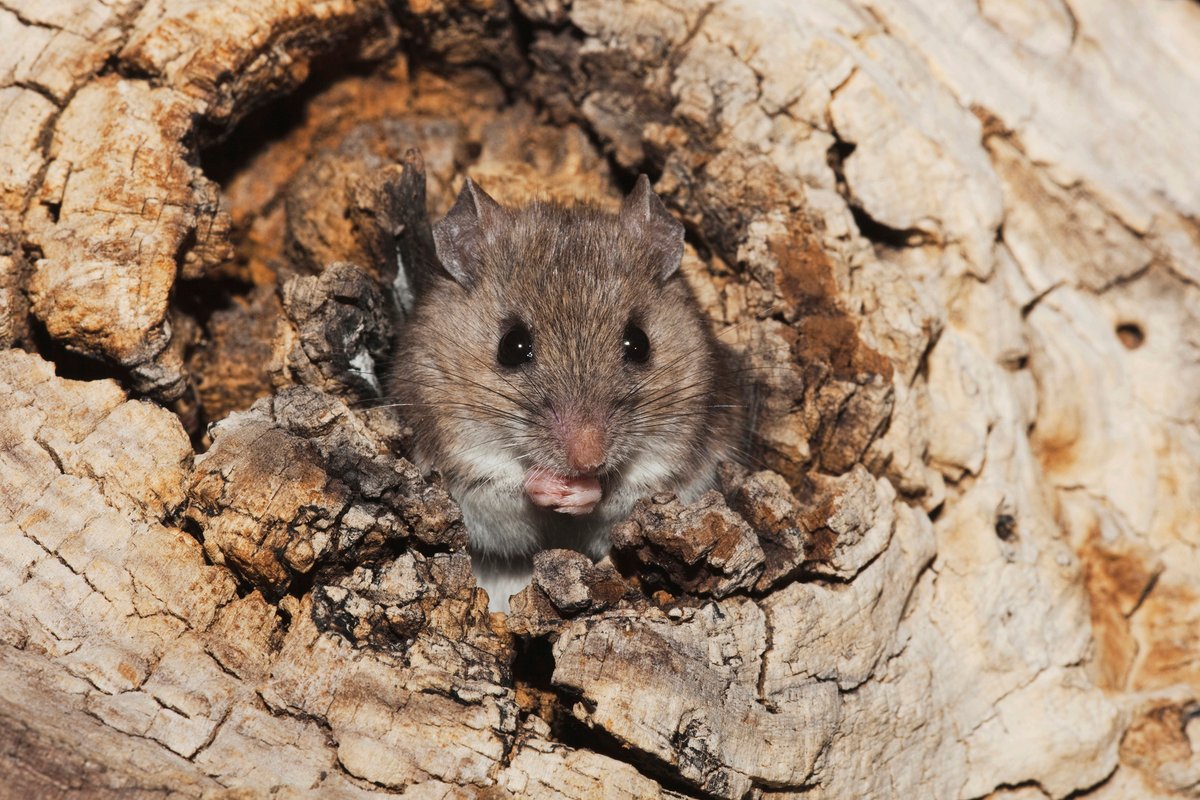
The discovery matters because Lyme disease, transmitted by *Ixodes scapularis* ticks, now causes more than 30,000 reported cases annually in the U.S., with the burden rising in suburban and rural communities. Deer have long been blamed for boosting tick populations, as adult females feed on them to reproduce. However, deer do not carry the bacterium that causes Lyme disease; rodents do. Oak trees produce massive “mast” crops irregularly, and when acorn production peaks, mouse populations explode, providing abundant hosts for tick larvae. This cascade—acorns → mice → infected nymphs—offers a clearer ecological signal than deer counts, which can fluctuate for unrelated reasons such as hunting pressure or habitat change.
Lead author Dr. Emily Hart of the University of Connecticut explained that the team used satellite imagery and ground surveys to quantify acorn density, then correlated those figures with tick drag data collected by state health departments. In years with a “mast” event exceeding the 75th percentile, the model correctly forecast a 35 % increase in nymphal infection prevalence within 18‑24 months, outperforming deer‑based models by a margin of 12 %. The researchers caution that climate‑driven shifts in mast cycles could further amplify tick risk, especially as warmer winters allow more larvae to survive.
Public‑health officials are already considering how to integrate acorn monitoring into early‑warning systems. The Centers for Disease Control and Prevention plans to pilot a regional dashboard that flags high‑mast years, prompting targeted tick‑control measures such as rodent‑targeted vaccines and community outreach on personal protection. Forestry managers may also adjust oak thinning practices to modulate mast intensity. If adopted widely, the approach could give towns a two‑year head start to curb Lyme disease before it spreads, turning a natural forest process into a practical tool for disease prevention.
Read Full Story at Scientific American →