Sardis declared UNESCO World Heritage site after 70 years
Sardis, the ancient capital of Lydia and birthplace of coinage (c. 600 BCE), became a UNESCO World Heritage site after 70 years of excavation, revealing its role as a multicultural trade hub. The desi
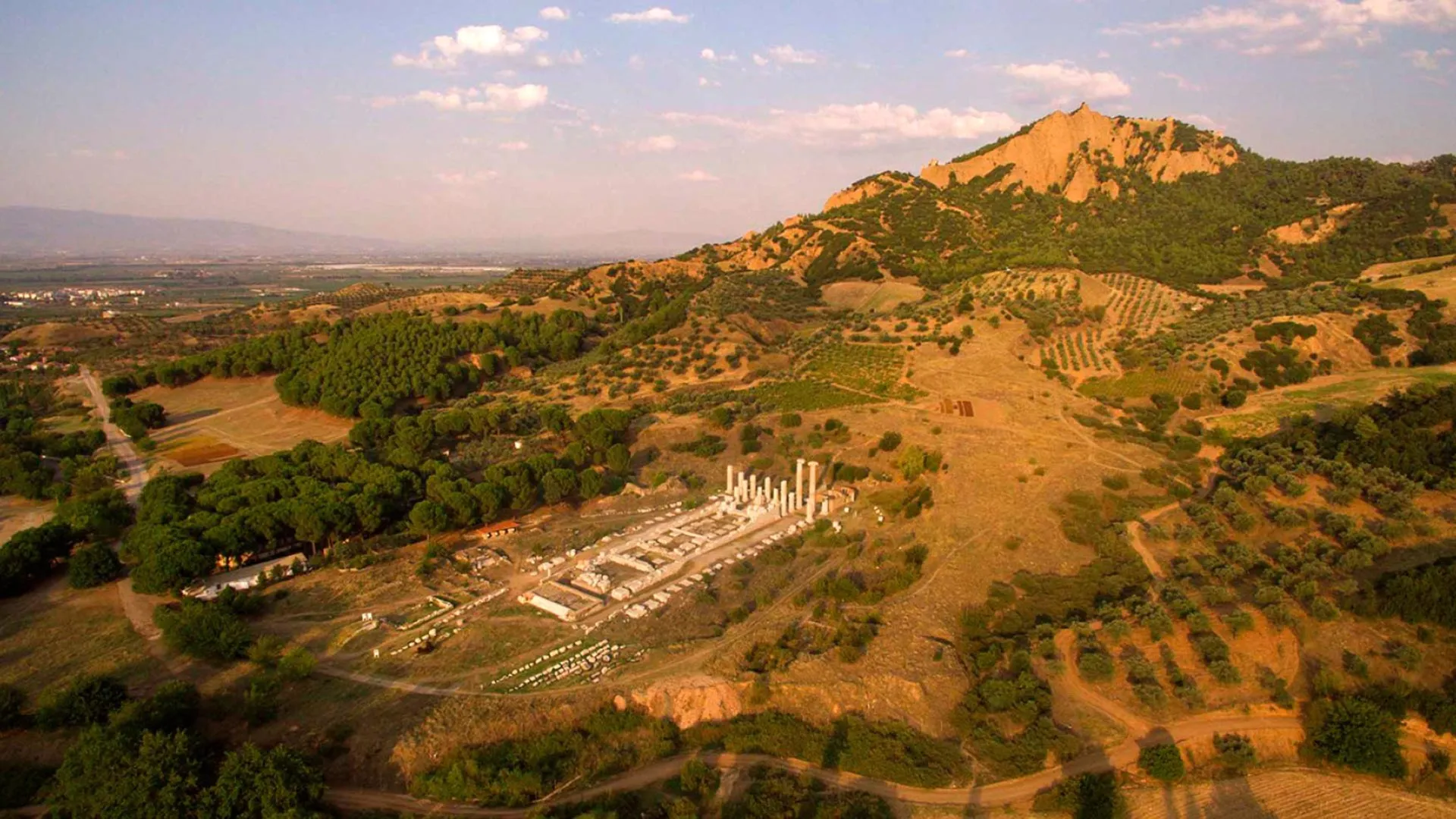
The ancient city of Sardis, one of the most significant archaeological sites in western Turkey, has finally earned UNESCO World Heritage status after
Read Full Story at ScienceDaily →Why This Matters
The inscription of Sardis as a UNESCO World Heritage site marks a pivotal moment in preserving humanity’s shared cultural legacy, particularly for understanding the economic and social foundations of modern civilization. Its recognition underscores the enduring legacy of Lydia’s innovation—coinage—as a catalyst for global trade networks that still shape economic systems today.
Background Context
Sardis, once a thriving metropolis under the Lydians and later a crossroads of Persian, Hellenistic, and Roman empires, lay buried for centuries before systematic excavations began in the 1950s. The site’s layers reveal a rare continuity of human settlement, from its famed Pactolus River gold deposits to its role as a Silk Road junction, offering a tangible link between antiquity and the interconnected world it helped create.
What Happens Next
With UNESCO status secured, Sardis is poised for a surge in international funding and scholarly collaboration, but it also faces the challenge of balancing tourism with conservation. Local authorities must now navigate infrastructure upgrades, heritage preservation protocols, and equitable access—decisions that will set a precedent for other newly designated sites in regions with limited resources.
Bigger Picture
Sardis’ recognition reflects a broader shift in UNESCO’s priorities, prioritizing sites that illuminate pivotal but underrepresented chapters of economic history over purely monumental legacies. Its inclusion signals growing interest in re-evaluating ancient trade hubs as living laboratories of cultural exchange—a trend likely to influence future heritage designations in the Eastern Mediterranean and beyond.