After a Weekend of Heavy Rains, Chicago’s Deep Tunnel Is Almost Full
For the first time in history, Deep Tunnel, Chicago’s massive system of underground tunnels and reservoirs designed to hold flood water, is almost completely full after a weekend of heavy rain. Built
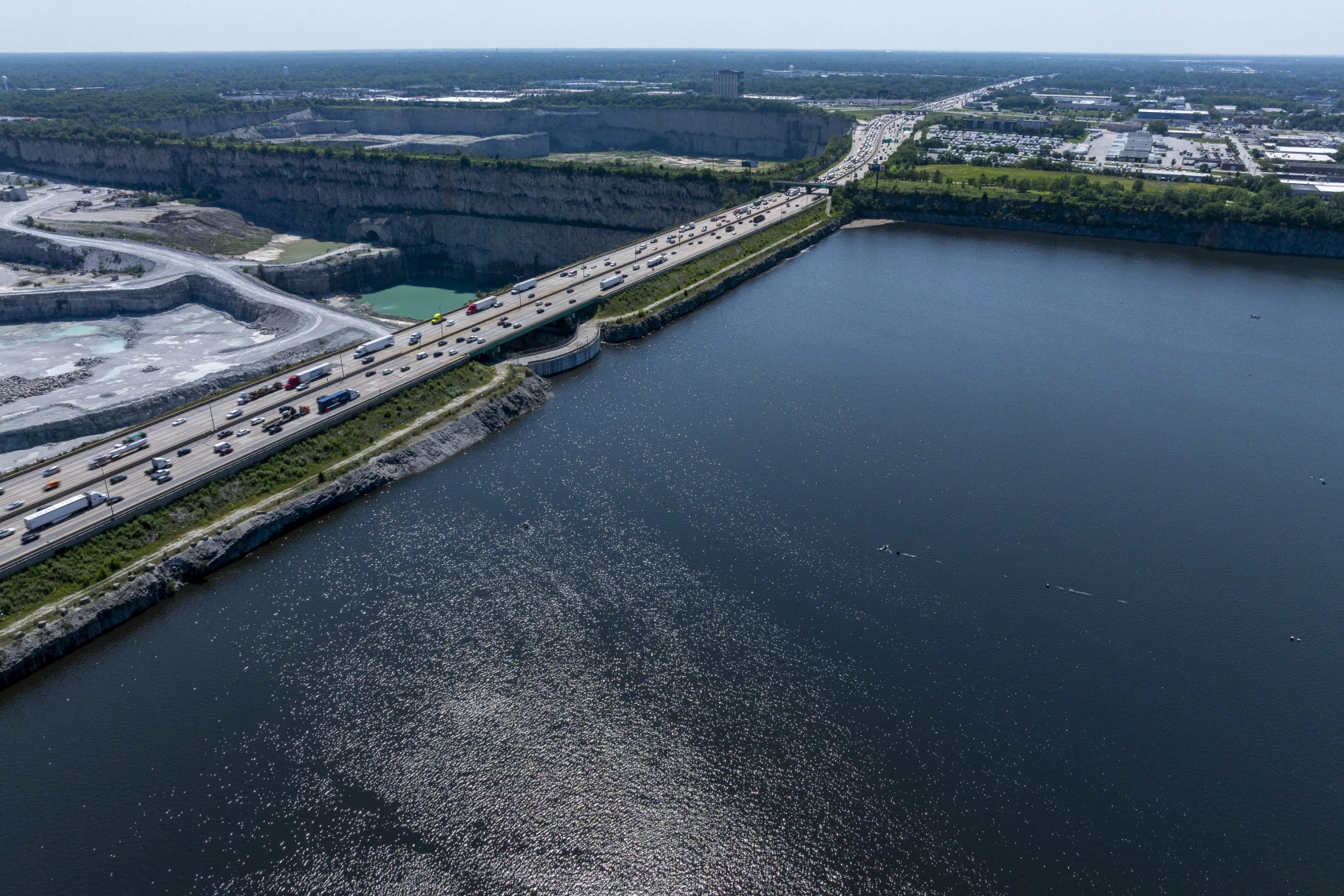
For the first time in history, Deep Tunnel, Chicago’s massive system of underground tunnels and reservoirs designed to hold flood water, is almost com
Read Full Story at Inside Climate News →Why This Matters
Chicago’s near-capacity Deep Tunnel system underscores the city’s vulnerability to climate change-driven rainfall extremes. The infrastructure, once considered a marvel of engineering, now faces unprecedented stress, raising questions about long-term resilience in urban water management. This moment could redefine how cities balance flood control with sustainable urban development.
Background Context
Built over four decades at a cost of $3 billion, the Deep Tunnel was designed to handle a 100-year storm event. However, climate models now predict more frequent and intense rainfall, pushing systems engineered for historical norms to their limits. Political debates over infrastructure funding and green alternatives have simmered for years, with this crisis potentially forcing decisive action.
What Happens Next
With the tunnel nearing capacity, authorities may need to release untreated wastewater into waterways to prevent catastrophic flooding—a scenario that could trigger environmental violations and public health concerns. Meanwhile, calls for expanded storage or permeable surfaces will intensify, though implementation timelines may lag behind immediate pressures.
Bigger Picture
This event reflects a global pattern where aging urban infrastructure struggles to keep pace with climate volatility. Cities from Houston to Mumbai are grappling with similar challenges, highlighting the need for adaptive, forward-looking water systems rather than static engineering solutions.