After GERD, can Egypt shape Ethiopia’s next Nile dams?
Egypt’s response to Ethiopia’s new Nile dam plans is centred on diplomacy, international pressure and cooperation with Sudan, rather than trying to stop construction outright. However, the experience…
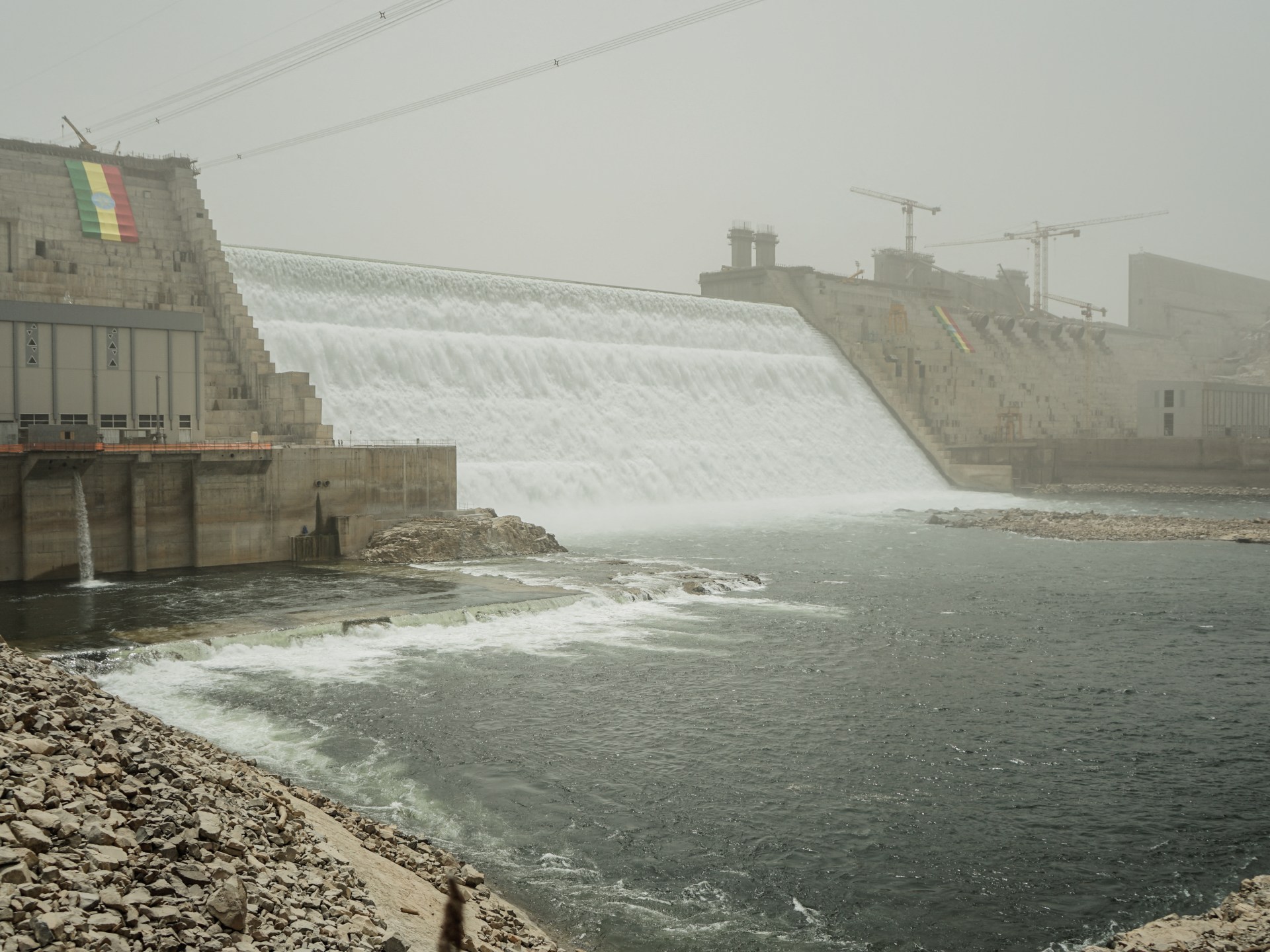
Egypt’s response to Ethiopia’s new Nile dam plans is centred on diplomacy, international pressure and cooperation with Sudan, rather than trying to stop construction outright. However, the experience of the Grand Ethiopian Renaissance Dam (GERD) has exposed the limits of Cairo’s influence.
The revival of three proposed Blue Nile hydropower projects – Karadobi, Mandaya and Beko Abo – will test whether Egypt can turn more than a decade of opposition into practical leverage over how Ethiopia develops the river.
The projects have been discussed for years. A 2024 academic study drawing on Nile Basin Initiative-sponsored work listed all three among proposed Blue Nile projects and noted that Karadobi and Beko Abo were considered alternatives in one potential three-dam configuration.
What is new is Ethiopia’s reported move to advance them. In March, the country’s Water and Energy Ministry announced plans for the projects, according to subsequent reporting. Their combined generating potential has been reported at about 5,700 megawatts, although the figures and specifications could change because the projects remain at the planning stage.
The announcement came months after Ethiopia inaugurated the GERD in September 2025, despite years of objections from Egypt.
For Ethiopia, developing the Blue Nile is closely tied to electricity generation, economic growth and energy security. Addis Ababa argues that expanding hydropower is essential for a country where millions of people have historically lacked reliable access to electricity.
The three projects fit into that wider strategy. However, their eventual impact on Egypt and Sudan will depend on what Ethiopia builds and how the facilities are operated.
Ezekiel Gebissa, an Ethiopian professor at Kettering University in the United States, told Al Jazeera that the consequences would depend on the scale and purpose of the projects. “Smaller dams could generate electricity for local communities without significantly reducing the volume of water reaching downstream countries,” he said, while projects linked to large-scale irrigation could have greater implications for Egypt and Sudan.
Read Full Story at Al Jazeera →


