Study reveals AI in oil and gas increases climate pollution, threatens goals
A study by Will and Holly Alpine shows that AI applications in the oil and gas sector lead to increased emissions from fossil fuel extraction, outweighing the emissions from supporting data centers. …
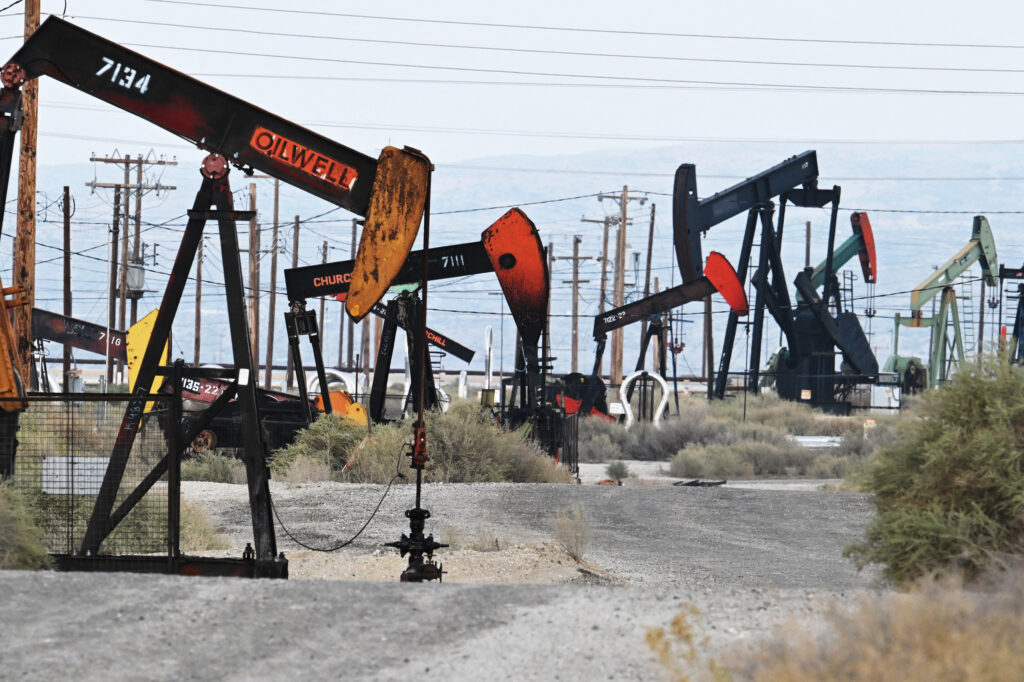
A new study by former Microsoft employees Will and Holly Alpine reveals that the “enabled emissions” from oil and gas companies using artificial intelligence to discover and exploit energy reserves are significantly more harmful to the climate than the emissions generated by the data centers that support these AI systems. The research highlights a troubling paradox in the energy sector, where technological advancements meant to optimize resources may inadvertently exacerbate environmental damage.
This study comes at a crucial time as the global energy landscape grapples with the dual pressures of rising energy demands and the urgent need to address climate change. The oil and gas industry has increasingly turned to AI to enhance exploration and production efficiency, believing that these technologies could lower emissions. However, as AI applications become more sophisticated, they also facilitate the discovery of new fossil fuel reserves, leading to greater emissions in the long run. This situation underscores the challenges of balancing innovation with environmental stewardship in an era of climate urgency.
According to the study, the emissions linked to AI-enabled exploration are not just theoretical; they could lead to billions of tons of additional carbon dioxide released into the atmosphere. The researchers argue that the industry's reliance on AI technology could undermine global efforts to limit warming to 1.5 degrees Celsius, as outlined in the Paris Agreement. The findings have drawn attention from environmental advocates, who stress the need for stricter regulations on fossil fuel extraction and a shift toward renewable energy sources.
Looking ahead, the implications of this research could reshape conversations around AI in the energy sector. Policymakers and industry leaders may need to reconsider how they integrate technology into their operations. There is a growing call for transparency and accountability in emissions reporting. As the world moves toward a more sustainable energy future, the challenge will be to ensure that technological advancements do not come at the cost of the planet.
Read Full Story at Inside Climate News →