38% of Americans report community damage from extreme weather, survey finds
A recent survey found that 38% of Americans experienced community damage from extreme weather in the past year, highlighting the growing impact of climate change. This trend underscores the urgent ne…

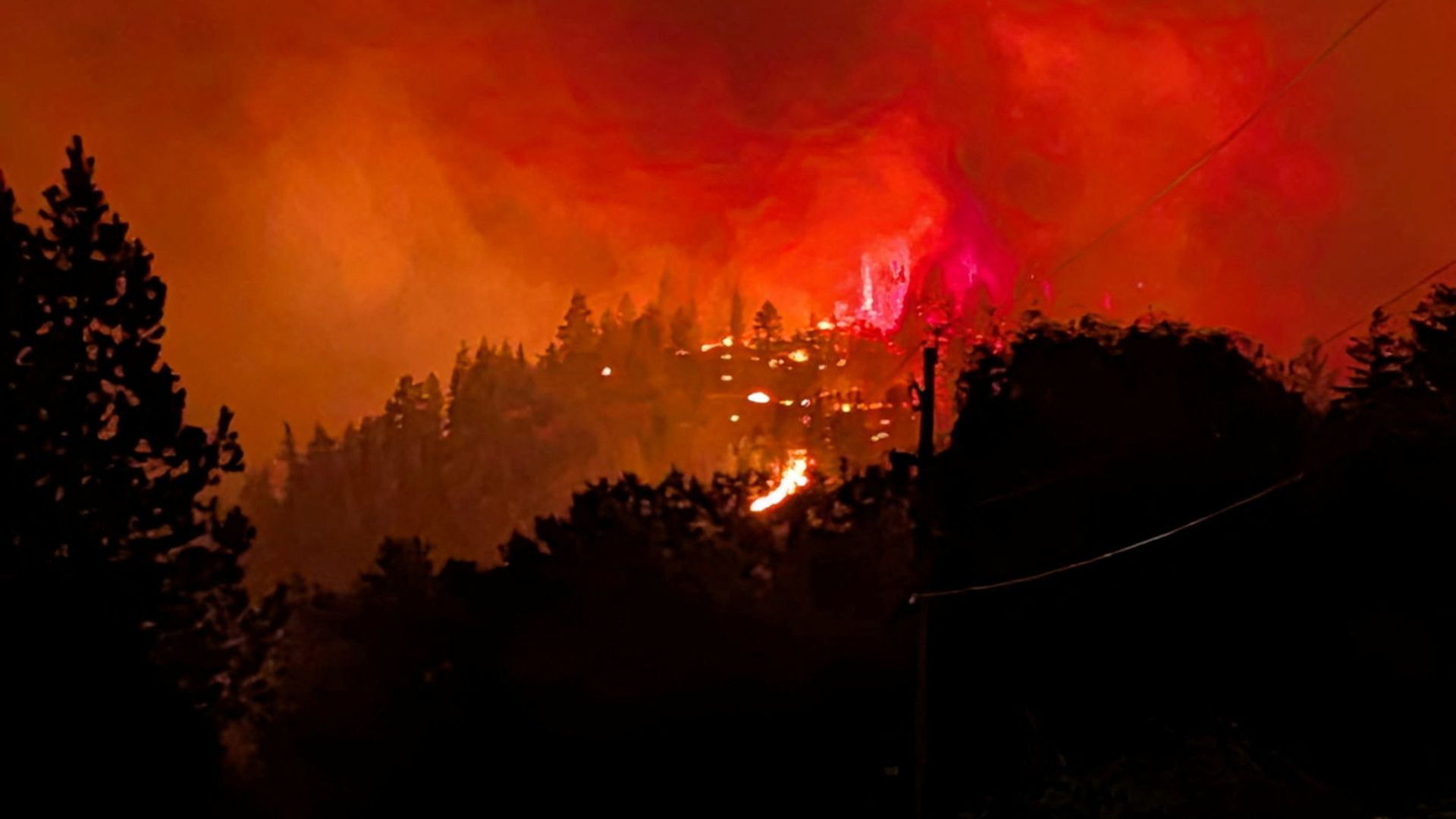
Nearly 4 in 10 Americans say their communities were damaged by extreme weather events over the past year, according to a new survey released Tuesday. The Walton Family Foundation-Gallup poll revealed that 38 percent of respondents reported some form of destruction linked to severe weather, which includes hurricanes, floods, wildfires, and heatwaves. The survey highlights growing concerns about climate change and its direct impact on local communities.
This surge in extreme weather events is not random. Experts attribute it to rising global temperatures, which have intensified the frequency and severity of storms and other weather phenomena. The past year has seen record-breaking heatwaves and devastating natural disasters across various regions in the United States. This context is crucial as communities grapple with the financial and emotional toll of these events. The increasing visibility of climate-related damages has led to heightened awareness and urgency for action among both residents and policymakers.
The survey also revealed stark differences based on geography and demographics. Communities in coastal regions, for instance, reported higher instances of damage due to hurricanes and flooding. Urban areas have faced challenges from heatwaves, while rural locations have been impacted by wildfires. The findings suggest that the effects of climate change are not uniform, indicating a need for targeted responses. Additionally, those affected expressed a desire for more robust disaster preparedness and mitigation efforts from local governments.
As climate-related events are projected to become more frequent, the implications for infrastructure, public health, and local economies are significant. Communities may need to invest in resilience measures, such as improving drainage systems, reinforcing buildings, or enhancing emergency response plans. The survey results could influence government policy, potentially driving more funding toward disaster relief and climate adaptation strategies. With substantial public concern evident, the push for comprehensive climate policies may gain momentum in the coming years.
Read Full Story at The Hill →