An Everest guide's miraculous survival raises questions for tourism industry
A cleaning team was combing Mount Everest's perilous upper slopes for rubbish last Thursday, after a busy climbing season, when they spotted a man in a bright blue summit suit crawling at the foot of the Khumbu Icefall, widely regarded as one of the most dangerous sections of the
A cleaning team was combing Mount Everest's perilous upper slopes for rubbish last Thursday, after a busy climbing season, when they spotted a man in a bright blue summit suit crawling at the foot of the Khumbu Icefall, widely regarded as one of the most dangerous sections of the world's highest peak.
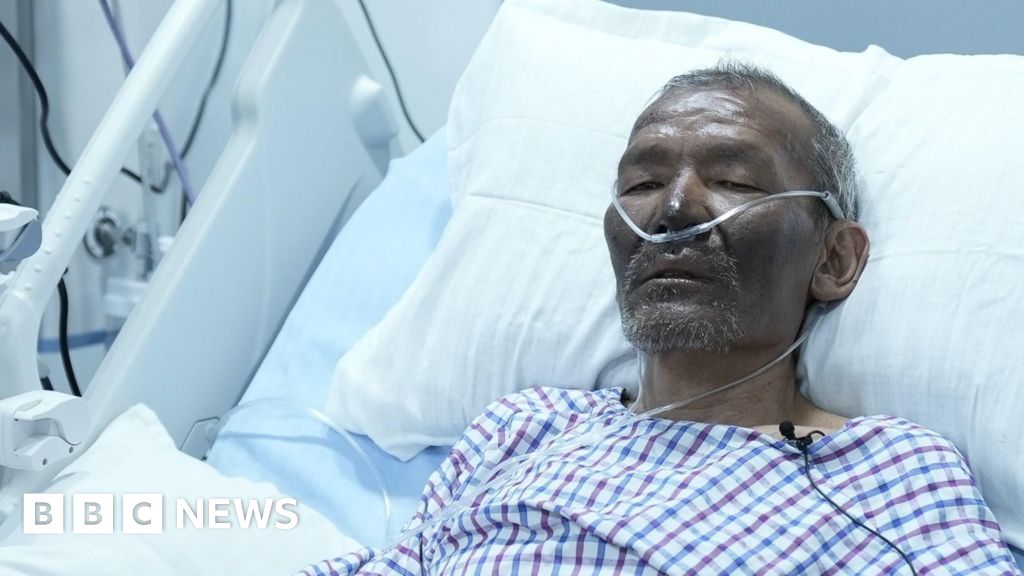
It was Hillary Dawa Sherpa, a climbing guide who got separated from his clients when descending the mountain six days earlier. He had been presumed dead – yet another life claimed by Everest's treacherous slopes. By the time the 57-year-old reappeared, his family had already begun funeral rites for him.
Although frostbitten and thoroughly spent, Hillary Dawa could still sit upright and talk to those who found him, before he was airlifted to a hospital in Kathmandu, Nepal's capital.
News of his miraculous survival made international headlines and sent shockwaves throughout the mountaineering community.
However, it also raises troubling questions for the booming high-altitude tourism industry, and shines a spotlight on the deadly risks Sherpas who work on Mount Everest face.
Himalayan Traverse Adventure (HTA), the company that Hillary Dawa was working for, maintains that all its processes in handling the incident were above board, and that poor weather hampered rescue efforts.
But many are asking whether the company, known for offering packages below market rates, has done enough to look after their guides.
Hillary Dawa was hired as a camp cook – why then was he leading clients up the 8,849m (29,032ft) mountain? Why was a search launched only three days after he disappeared, and would it have begun sooner if he had been a client and not a guide?






