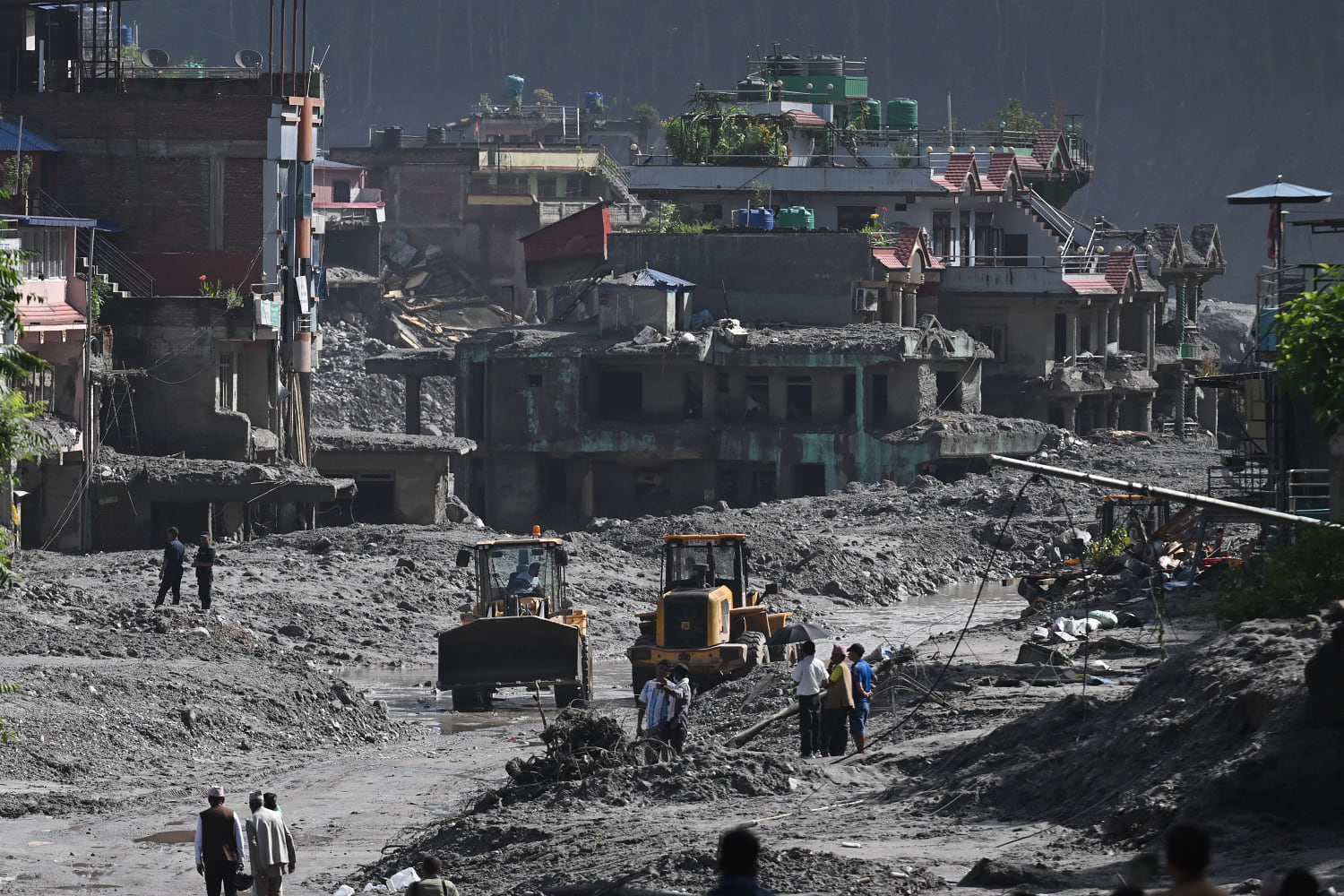
Anak Krakatau erupts, disrupting flights across Southeast Asia
Anak Krakatau erupted on Tuesday, sending ash clouds that disrupted flights across Southeast Asia and raised concerns about air quality and safety. The eruption coincides with peak travel season, pro…
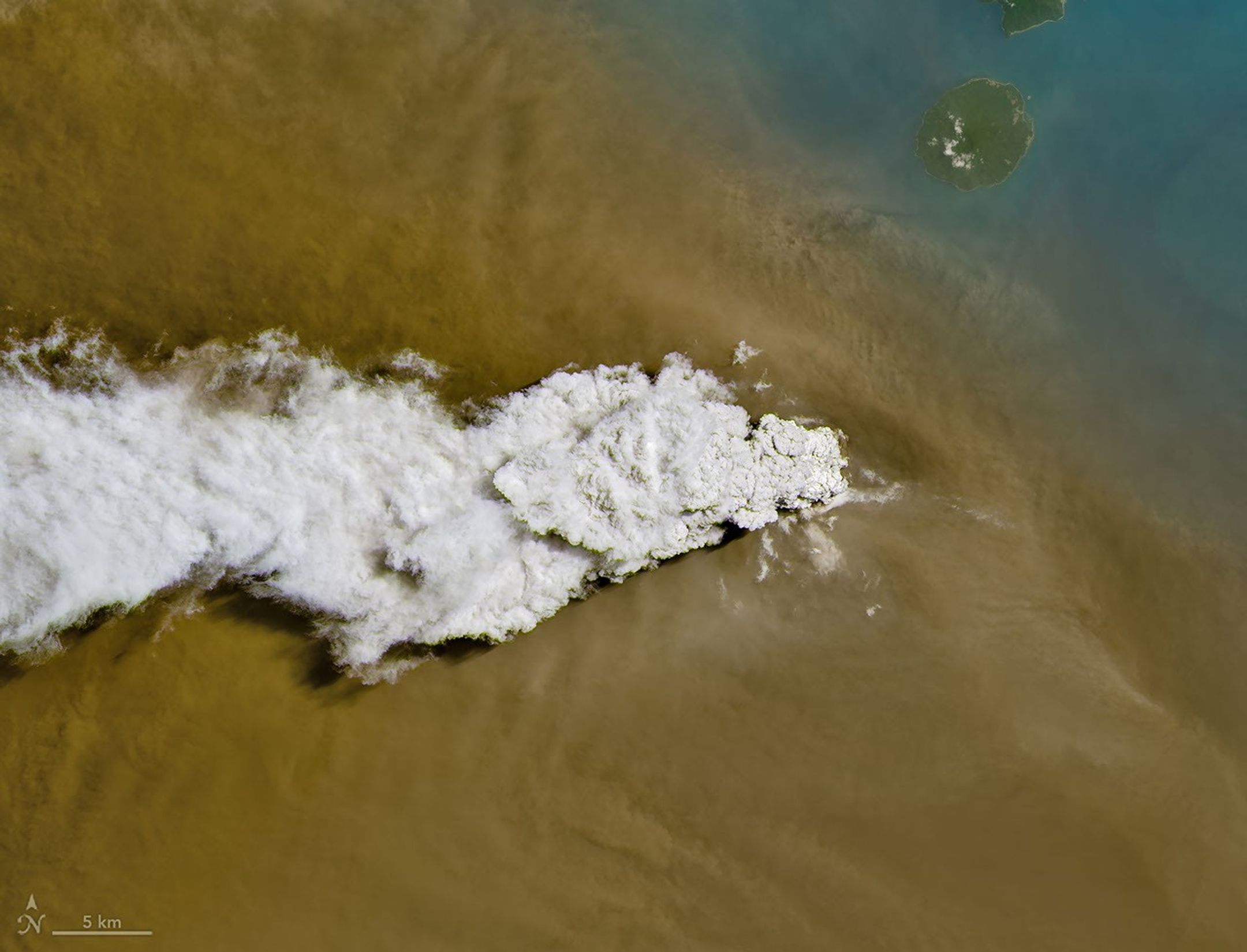
Anak Krakatau erupted on Tuesday, sending a massive plume of ash high into the atmosphere and disrupting thousands of flights across Southeast Asia. The eruption occurred around noon local time and has raised concerns about air travel safety and air quality in surrounding regions.
Anak Krakatau, which translates to "Child of Krakatoa," is a volcanic island that emerged in the caldera formed by the infamous 1883 eruption of Krakatoa. This latest eruption is part of an ongoing pattern of volcanic activity in Indonesia, a country located on the Pacific Ring of Fire, where tectonic plate movements frequently lead to earthquakes and eruptions. The timing is particularly significant as it coincides with the peak travel season in Asia, with many people flying for holidays and business.
Airlines have already begun canceling or rerouting flights to avoid the volcanic ash clouds, which can pose serious hazards to aircraft engines. The Indonesian authorities have issued warnings regarding air quality, advising residents in affected areas to stay indoors and wear masks if necessary. The eruption has also raised alarms about potential tsunami risks, although current reports indicate that no immediate threat exists.
Looking ahead, experts are monitoring the situation closely. The Volcanology and Geological Hazard Mitigation Center in Indonesia has raised its alert level, urging heightened vigilance. The potential for further eruptions remains a concern, which could lead to more flight disruptions and health issues for nearby populations. The situation underscores the ongoing impact of volcanic activity on air travel and public safety in the region.
Read Full Story at NASA →