Archaeologists find 2,000-year-old Roman shipwreck off Sicily
A 2,000-year-old Roman shipwreck with intact amphorae and wooden hull remains was found off Sicily’s coast near Licata, revealing new clues about Roman trade and shipbuilding. This discovery could un…
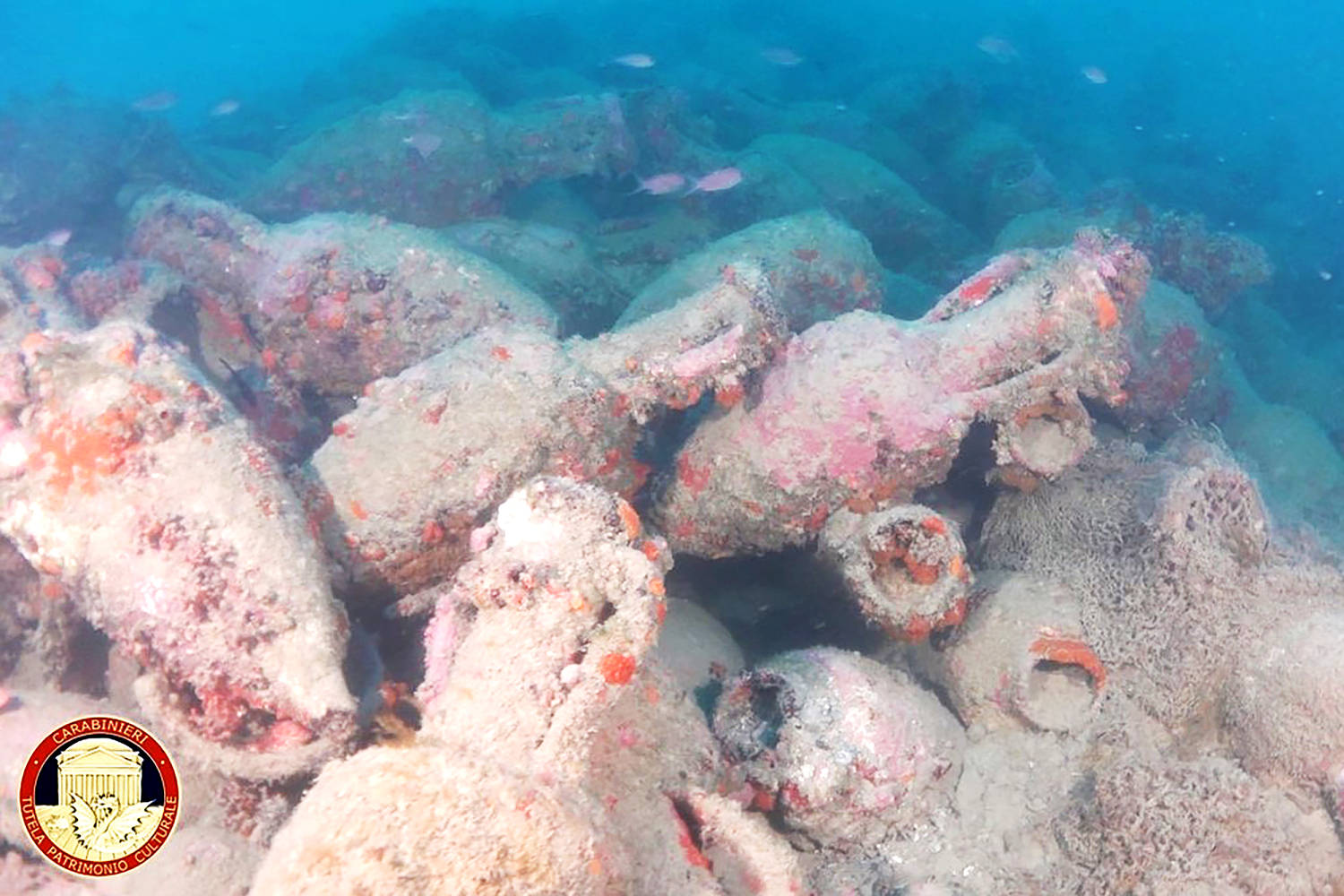
A Roman-era shipwreck that has lain undisturbed on the seabed for more than 2,000 years has been discovered by divers off the coast of Sicily, Italian police announced on Tuesday. The wreck, found near the port of Licata, contains intact amphorae—clay jars once used to transport wine, olive oil, and grain—along with wooden hull remains and metal fittings from the vessel. Archaeologists say the ship likely sank between the 1st century BC and 1st century AD, a period when Sicily was a key breadbasket for the Roman Empire.
The discovery comes as part of a broader underwater survey led by Italy’s Carabinieri Cultural Heritage Protection unit, working alongside marine archaeologists from the University of Naples. The team was scanning the seafloor using sonar and remotely operated vehicles to map submerged cultural heritage sites when they detected the wreck. Licata, a coastal town on Sicily’s southern shore, was a major maritime hub in antiquity due to its strategic position between North Africa and mainland Italy. Historical records suggest it handled large volumes of grain exports to Rome, making it a prime location for such finds.
Experts are calling this a “time capsule” because the wreck appears to have been preserved almost intact by layers of sand and silt, protecting it from currents, fishing trawlers, and looters. Initial analysis of the amphorae suggests they bear the stamps of Roman producers from Campania and southern Italy. One of the jars has been carefully raised and is being studied at a regional conservation lab. The wreck itself remains in situ for now, but archaeologists plan to return next month with 3D imaging equipment to create a digital model before any physical recovery is attempted.
If the site is excavated, it could offer new insights into Roman trade networks, shipbuilding techniques, and daily life at sea. Sicily was the empire’s grain heartland, and this wreck may contain cargo invoices, personal items, or even preserved food. Authorities have already placed a protective perimeter around the area to prevent unauthorized diving or salvage. This discovery adds to a string of recent finds—including a 2,000-year-old Roman ship off Sardinia last year—that highlight the Mediterranean’s rich, still-hidden archaeological landscape.
Read Full Story at NBC News →