Ancient worshipers gathered at a ‘prototype’ Stonehenge to celebrate the solstices, new analysis reveals
Ancient worshipers gathered at a ‘prototype’ Stonehenge to celebrate the solstices, new analysis reveals These ruins, located just five kilometers from Stonehenge, likely laid the groundwork for reli
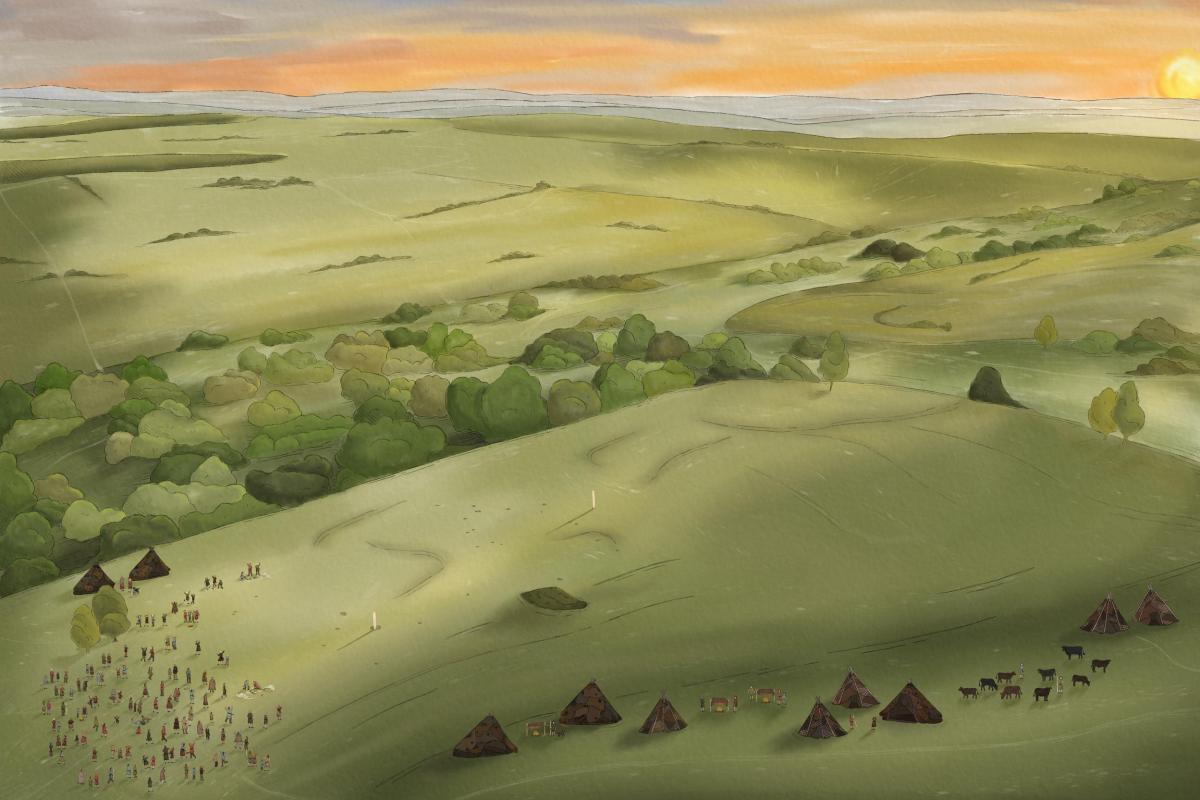
Ancient worshipers gathered at a ‘prototype’ Stonehenge to celebrate the solstices, new analysis reveals These ruins, located just five kilometers fr
Read Full Story at Scientific American →The discovery of a lesser-known but architecturally significant site near Stonehenge—often described as a "prototype" for the iconic stone circle—reveals more than just an archaeological curiosity. It reshapes our understanding of how early Neolithic communities structured their spiritual and communal lives around celestial cycles. The site’s solstice alignments, combined with evidence of repeated gatherings, suggest that these proto-monuments were not merely experimental constructions but deliberate attempts to formalize cosmic observation into shared ritual. This challenges the notion that Stonehenge was a singular achievement rather than the culmination of generations of observation and adaptation by people who were deeply attuned to the rhythms of the natural world. The broader significance lies in how this challenges traditional narratives of cultural evolution in prehistoric Britain. For decades, Stonehenge has been treated as an isolated marvel, a product of advanced engineering and social organization. Yet the existence of precursor sites—even modest ones—indicates a continuum of experimentation, where smaller circles and earthworks served as testing grounds for larger projects. This reflects a broader trend in archaeology: the recognition that complex societies often emerge from iterative, community-driven processes rather than top-down design. The solstice alignments, too, underscore how astronomy was not just a practical tool but a unifying framework for identity and belief, long before the advent of written records. What remains unclear is how these early sites were integrated into broader regional networks. Were they local hubs with limited influence, or did they serve as nodes in a larger spiritual geography? The absence of extensive habitation remains at the site raises questions about whether these gatherings were transient pilgrimages or part of a year-round cycle of activity. Additionally, the lack of human remains or burial goods complicates efforts to determine whether these events were primarily celebratory, ritualistic, or tied to ancestral veneration. As excavation techniques improve and LiDAR surveys expand, more of these "proto-Stonehenges" may emerge, forcing a reevaluation of Neolithic Britain’s cultural landscape. The story of Stonehenge is no longer just about the stones; it’s about the people who moved them—one generation at a time.







