💻 Technology
Live
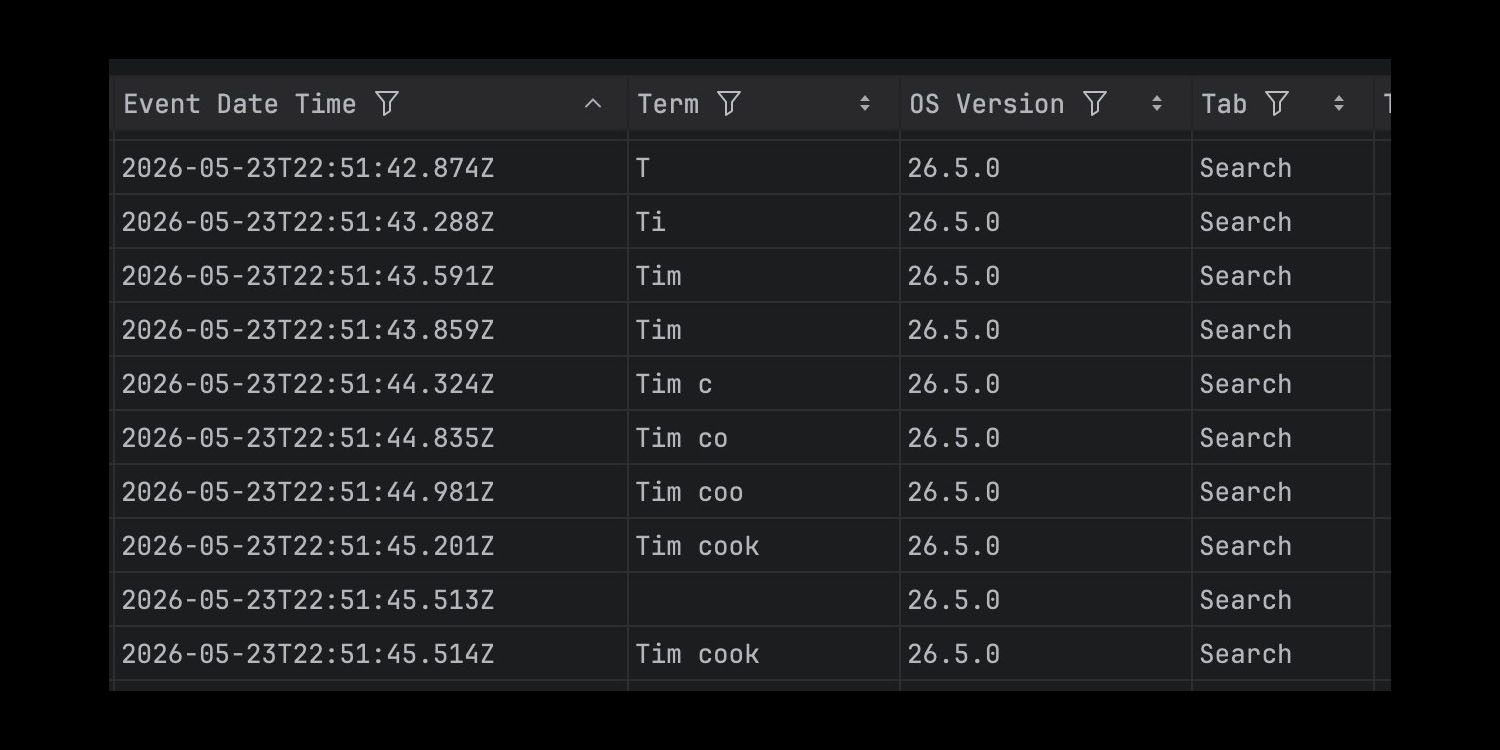
Apple collects every tap to deliver App Store personalized recommendations
Apple recently introduced Personalized Collections in the App Store , which provides users with individually tailored recommendations for new apps they might enjoy. Two security researchers have high…
9to5Mac — 17 June 2026
Text:
17
0
0
Apple recently introduced Personalized Collections in the App Store , which provides users with individually tailored recommendations for new apps the
Read Full Story at 9to5Mac →
⚡ Quickyla Analysis
Original editorial context — not sourced from the article above
Apple’s new Personalized Collections feature in the App Store represents a subtle but significant expansion of its data collection practices, one that could reshape how users interact with the platform while raising fresh privacy concerns. While the company frames the tool as a convenience—curating app recommendations based on individual behavior—it underscores a broader trend in tech: the growing normalization of granular data harvesting under the guise of personalization. Unlike previous App Store customization efforts, which relied on broad categories or trending lists, this system appears to track in-app interactions, including taps and navigation patterns, to refine its suggestions. For a company that has historically marketed privacy as a core differentiator, the shift is notable, particularly as it occurs against the backdrop of intensified regulatory scrutiny over data monetization in the U.S. and Europe.
The move also highlights Apple’s delicate balancing act between innovation and privacy. The company has positioned itself as a guardian of user data, even as it faces pressure to compete with more ad-driven ecosystems like Google’s Play Store. By leveraging behavioral signals—even if anonymized or aggregated—Apple could further entrench its App Store as a walled garden where user engagement is both a product and a metric. Yet this approach risks eroding trust, especially among users who may not realize that interactions as seemingly innocuous as tapping a button could feed into a recommendation algorithm. The lack of transparency around what data is collected, how it’s processed, and whether it’s shared with third-party developers remains a critical unknown.
Moving forward, the feature’s success will hinge on whether users perceive the trade-off between convenience and privacy as worthwhile. If adoption is high, it may embolden Apple to expand such tracking into other areas, potentially blurring the line between personalization and surveillance. Regulators will likely scrutinize whether the practice complies with data protection laws like GDPR or the forthcoming U.S. privacy regulations, particularly if opt-out mechanisms prove cumbersome. Meanwhile, competitors may follow suit, normalizing even deeper surveillance under the banner of user experience. The bigger question isn’t just about app recommendations—it’s about how far tech giants can go before users, or the law, push back.
Sources

💻 Technology
You can now beat ChatGPT Codex rate limits, if you have friends

💻 Technology
Cash App made a magic wand for contactless payments

💻 Technology
Coders are refusing to work without AI — and that could come back to bite them

💻 Technology
Hackers hijacked Instagram accounts by tricking Meta AI support chatbot into granting access

💻 Technology
‘Backrooms’ $118M WW Bonanza; ‘Obsession’ Obsessed With $148M WW; ‘Michael’ Nearing $900M WW – Global Box Office Update

💻 Technology
Asus gives the ROX Xbox Ally the OLED screen it deserves

