Archae
Archaeologists found a 13,800-year-old Alaskan dwelling, the oldest in the Western Hemisphere, containing tools linking Asian and American cultures. This discovery proves early inhabitants built perm…
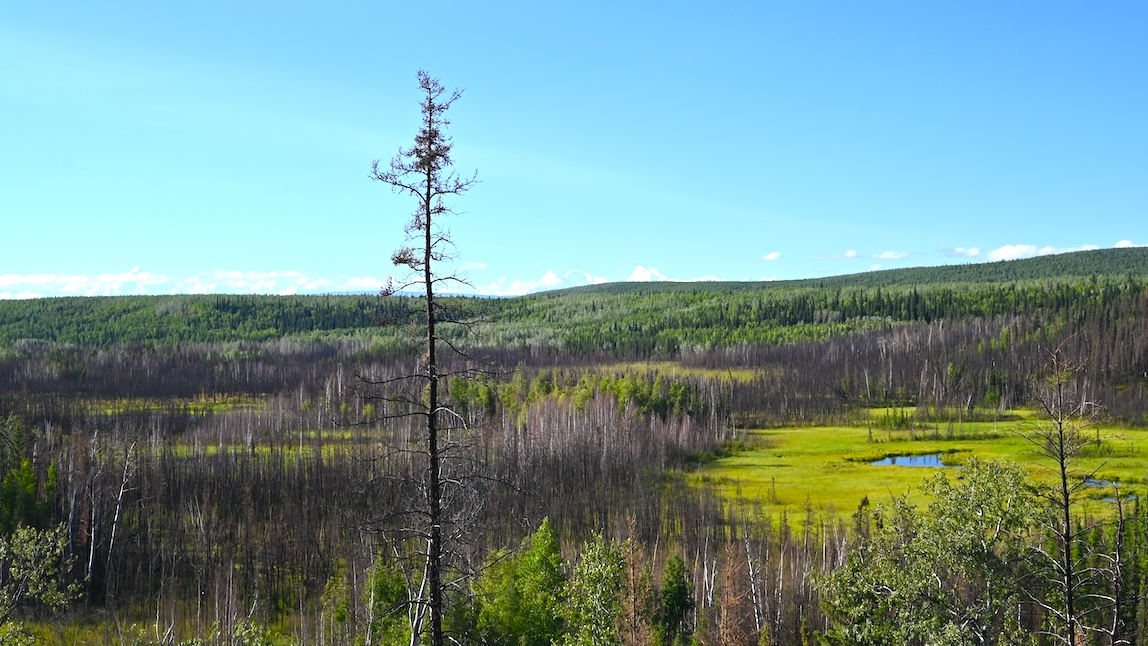
Archaeologists have uncovered the oldest known dwelling in the Western Hemisphere at a 13,800‑year‑old site in interior Alaska. The find, made at Shégˊ Xdaltthˊíˊ, about 34 miles southeast of Fairbanks, includes thousands of artifacts and fossils, including what may be the earliest domesticated dog bones, bone needles, a small dwelling, and stone tools that link cultures across the Bering Land Bridge.
The site sits in eastern Beringia, the ice‑age corridor that once connected northeast Asia to northwest North America. Recent genetic studies suggest that people first crossed this land bridge around 21,000 years ago, but little is known about how they settled. The team, led by University of Kansas archaeologist Kelly Graf, expected to find simple hunting tools and a few hearths. Instead, they uncovered a base camp that was used for up to a thousand years.
Excavations revealed a hearth, a pit, and a dirt stain where a wooden post once stood, likely the remains of a lean‑to or early tent house. An earth oven full of charcoal and animal bones suggests slow‑cooking for a large family. Researchers also found a bone needle, an antler pendant, and stone tools shaped like diamonds—hafted bifaces made from rhyolite and basalt. These tools are similar to ones found far west in Beringia, in modern‑day northern Siberia. Obsidian artifacts traced back to a source hundreds of miles away point to long‑distance travel or trade.
The discovery, published in Science Advances on Oct. 14, shows that early Alaskans built permanent structures and knew their environment well. It reshapes our understanding of how the first people in the Americas organized themselves and moved across the continent. Future digs at Shégˊ Xdaltthˊíˊ and nearby sites may uncover more evidence of early settlement patterns and the spread of technology across Beringia.
Read Full Story at Live Science →