Messi's move to Inter Miami shifts fan loyalty from clubs to players
Lionel Messi's move to Inter Miami has led to increased fan preference for individual players over clubs, especially in regions like the UK and Europe. This shift, driven by digital media and gaming,…
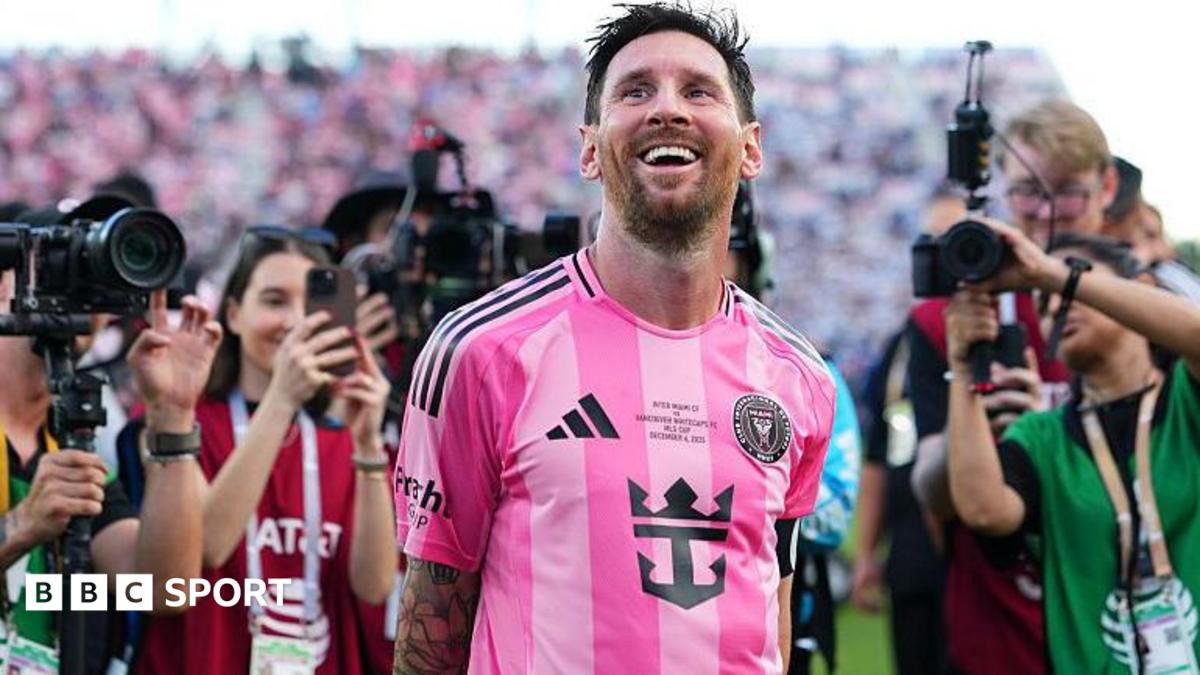
Lionel Messi's recent move to Inter Miami has sparked a surge in interest for individual players over clubs, with fans around the world proudly sporting the team's vibrant pink colors despite having no ties to the franchise. This trend has been particularly evident in regions like the UK and Europe, where supporters don Messi's jersey simply to align with one of football's greatest icons rather than the team itself. Sports brand strategist James Kirkham notes that this phenomenon reflects a broader shift in how fans engage with the sport.
The current landscape of football fandom is influenced by multiple factors, including the rise of digital media and gaming. Kirkham points out that younger fans are less tethered to traditional club loyalties, opting instead to follow players who resonate with them personally. Popular video games like EA Sports FC allow fans to play as their favorite stars, blurring the line between virtual and real-life experiences. This shift has created a culture where the name on the back of the jersey often holds more significance than the badge on the front.
According to a study titled "The Rise of the Second Club Fan," published before the recent World Cup, 80% of football supporters now follow more than one team. This indicates that fans are not abandoning their lifelong loyalties but are instead expanding their engagement with the sport. Matthew Kyle, head of insights for the study, suggests that this trend is particularly prevalent in regions without a strong domestic league. Fans are increasingly asking, "Who else can I support?" creating a more fluid and less tribal approach to fandom.
As global football becomes more interconnected, the implications for clubs and players could be profound. With the rise of the "second club fan," traditional loyalty may be reshaped, allowing players to cultivate personal brands that transcend their teams. This evolution in fandom could change how clubs market themselves and how they connect with supporters in an increasingly globalized sport.
Read Full Story at BBC Sport →