Are some people wired to see ghosts? A psychologist explains what makes paranormal experiences more likely
Research suggests certain cognitive traits—suggestibility, absorption, and misattribution—make individuals more prone to perceiving ghosts, with factors like sleep patterns further influencing these experiences. Studies, including those on sleep paralysis, aim to explain paranormal encounters and broader phenomena like UFO sightings and conspiracy theories.
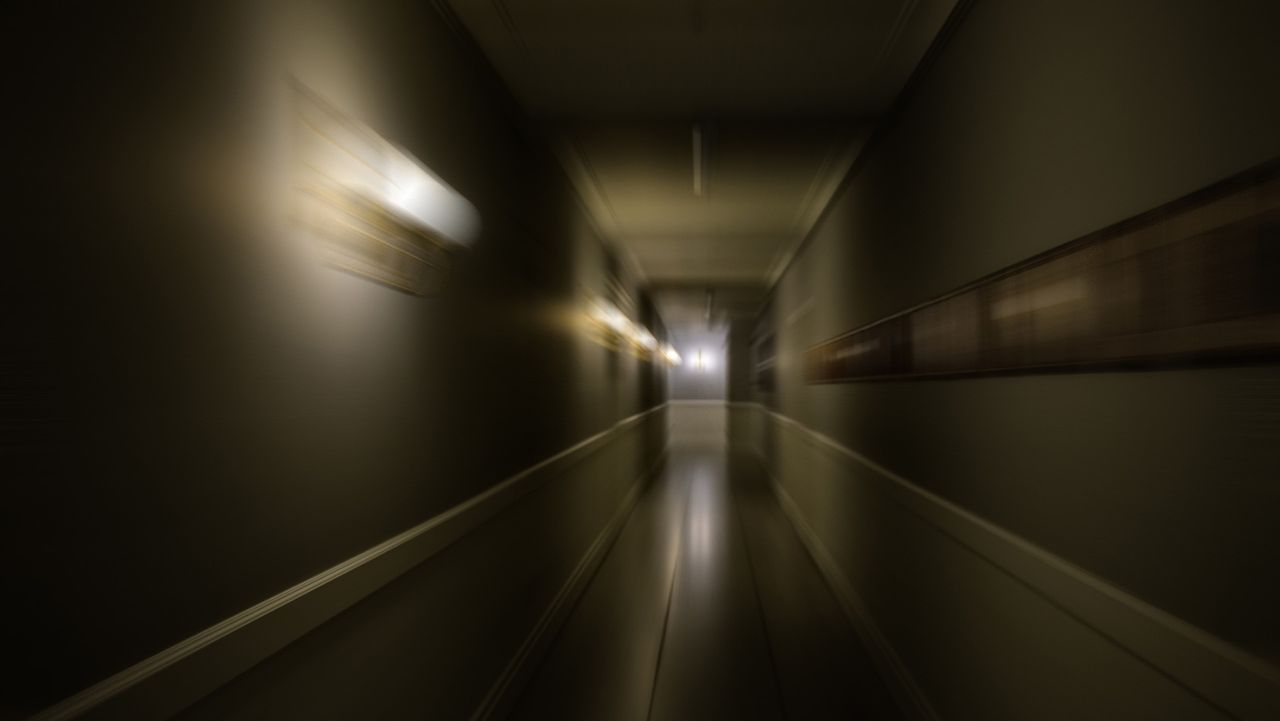
Could some people be neurologically predisposed to perceive ghosts? Recent research in psychology suggests that a combination of cognitive traits, environmental triggers, and even sleep patterns may make certain individuals more susceptible to paranormal experiences. While sceptics dismiss such encounters as mere illusions or tricks of the mind, scientists are uncovering how the brain’s wiring might inadvertently open the door to the supernatural.
According to cognitive psychologist Dr. Chris French, the likelihood of experiencing ghostly phenomena is influenced by three key factors: suggestibility, absorption, and the tendency to misattribute ordinary events to supernatural causes. Suggestible individuals—those highly influenced by expectations or social cues—are more prone to interpreting ambiguous stimuli as ghostly presences. Absorption, a personality trait linked to deep mental involvement in sensory experiences, further amplifies this effect by making the brain more receptive to subtle, unexplained sensations. Meanwhile, the misattribution of normal events—such as the brain’s attempt to make sense of fleeting shadows or sounds in low light—can lead to vivid but false perceptions of ghosts. These findings align with studies on sleep paralysis, where individuals wake to find themselves paralysed and often report terrifying hallucinations, further blurring the line between neurology and the paranormal.
The implications of this research extend beyond mere curiosity. Understanding why some people see ghosts could help demystify related phenomena, from UFO sightings to conspiracy theories, revealing how the brain processes uncertainty. In an era where misinformation spreads rapidly, such insights are increasingly relevant. A 2023 survey by the Pew Research Center found that nearly half of Americans believe in ghosts, underscoring the cultural significance of these perceptions. Meanwhile, law enforcement and emergency services have reported cases where false supernatural claims have hindered investigations, highlighting the need for clearer public understanding of psychological biases.
As technology advances, neuroscientists are using brain imaging to pinpoint the regions responsible for these misattributions. Some studies suggest that the temporal lobes—which govern memory and perception—play a crucial role in shaping these experiences. While this research does not disprove the existence of ghosts, it offers a compelling explanation for why they appear so vividly to certain individuals. In an age where science and spirituality often clash, these findings provide a rare bridge between the two, reminding us that even the most inexplicable experiences may have roots in the complex workings of the human mind.