As BitMEX exits, analysts warn crypto consolidation is accelerating
BitMEX’s shutdown marks the end of one of crypto’s earliest derivatives exchanges as analysts point to rising regulatory costs, market concentration and the shift toward licensed trading venues.
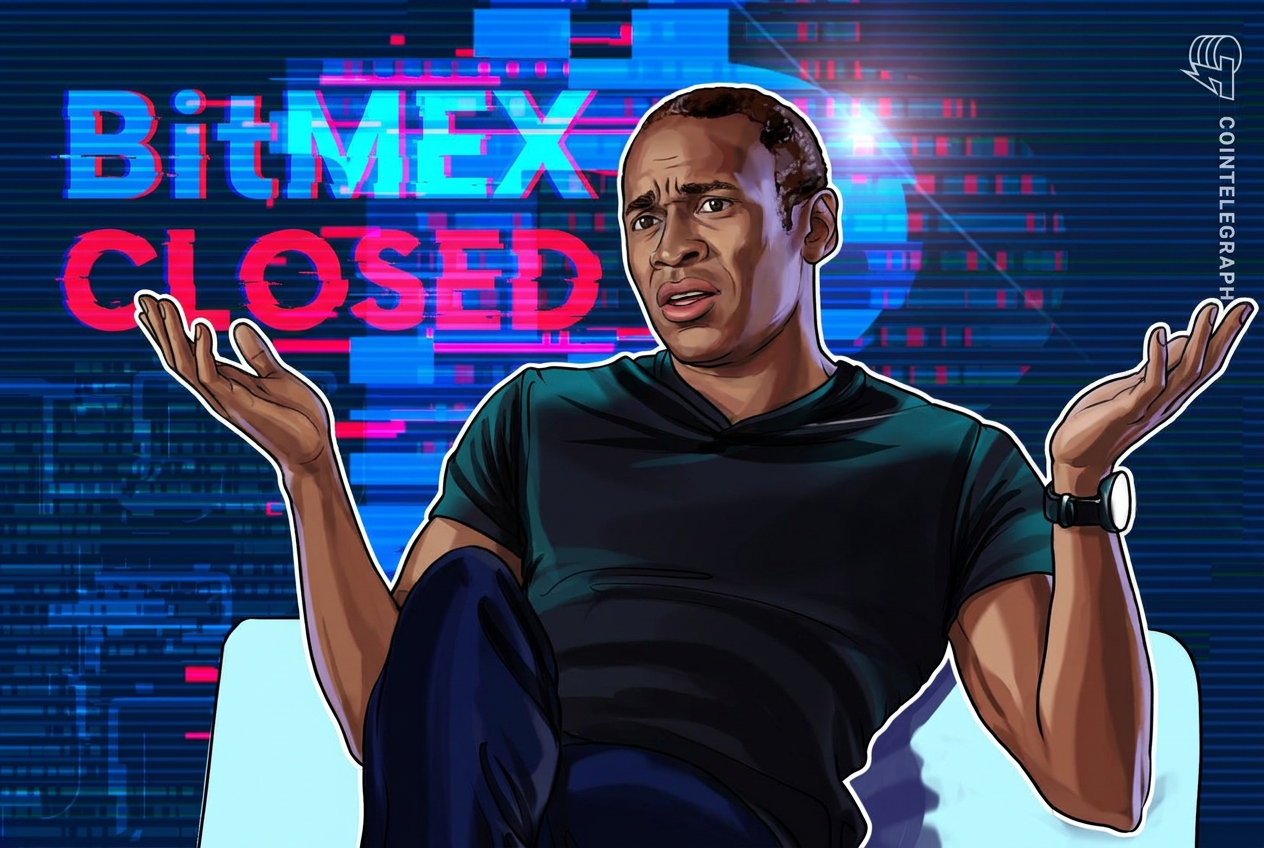
BitMEX’s shutdown marks the end of one of crypto’s earliest derivatives exchanges as analysts point to rising regulatory costs, market concentration a
Read Full Story at CoinTelegraph →Why This Matters
The closure of BitMEX signals a critical juncture in the cryptocurrency landscape, highlighting the growing pressures of regulatory compliance and market shifts. As one of the pioneering derivatives exchanges, its exit underscores a fundamental transformation within the industry, where traditional financial norms are increasingly influencing crypto operations.
Background Context
BitMEX, launched in 2014, was once a dominant player in the crypto derivatives market, allowing traders to engage in high-leverage trading. However, as regulatory frameworks tighten globally, many exchanges face heightened scrutiny, leading to a wave of consolidation as smaller players struggle to adapt to the evolving landscape.
What Happens Next
The departure of BitMEX could accelerate the trend toward regulatory compliance among remaining exchanges, potentially leading to a new wave of mergers and acquisitions. Observers should watch for how this consolidation impacts trading volumes and liquidity, as well as the potential emergence of new regulated platforms catering to institutional investors.
Bigger Picture
The exit of established exchanges like BitMEX reflects a broader trend of maturation in the cryptocurrency market, where legitimacy and regulatory adherence are becoming paramount. This shift may pave the way for increased institutional participation, but it also raises questions about the future of decentralized finance and the smaller players who may find it difficult to compete.