Yiddish learners on Duolingo surge to 296,000 in 2024
Yiddish learning on Duolingo surged to 296,000 users, 60% under 25, reflecting a broader search for identity amid Jewish community divisions. This revival—fueled by secular, creative spaces like punk
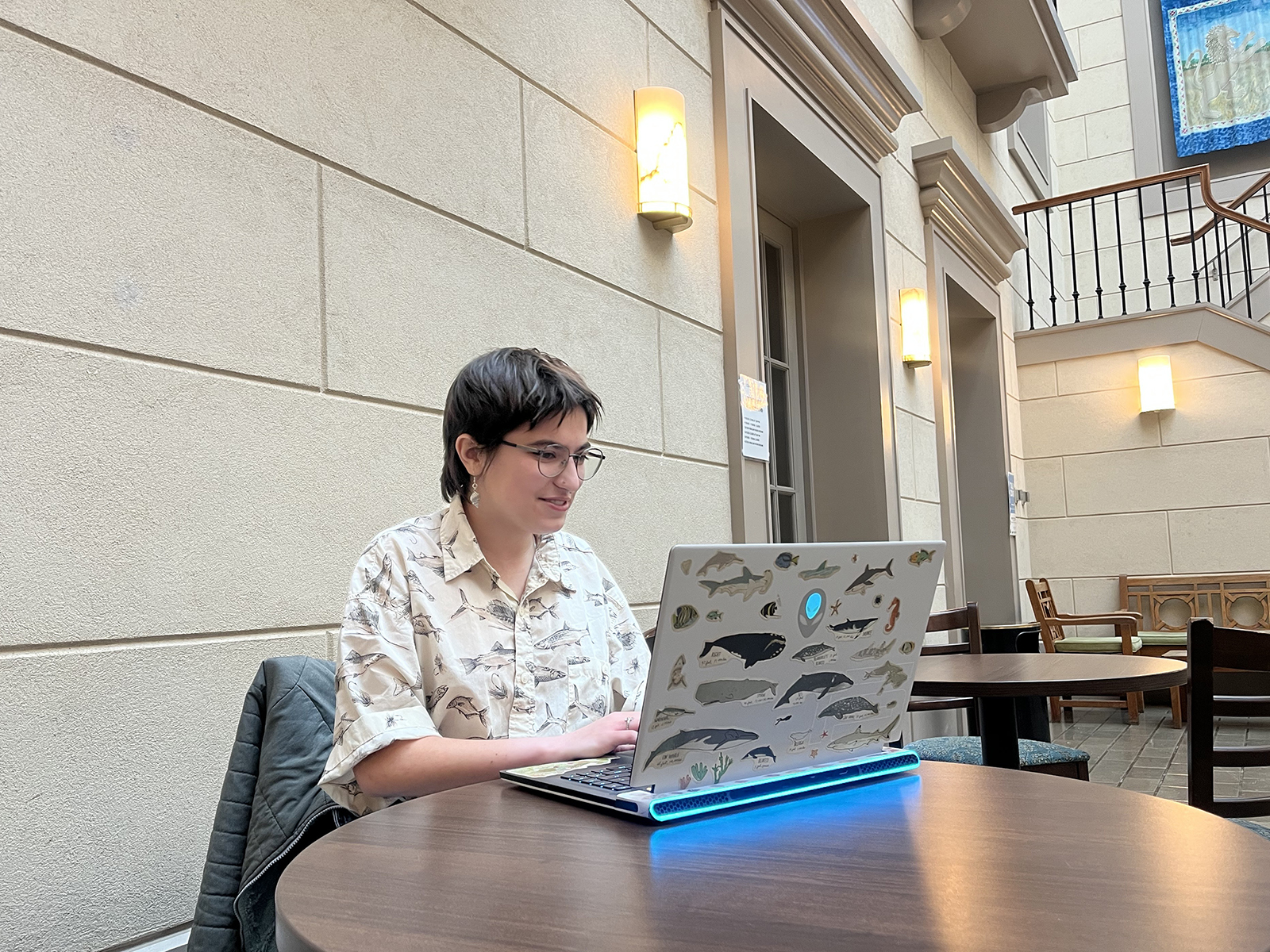
Roughly 296,000 people worldwide are now learning Yiddish on the language app Duolingo, and 60% of them are under 25. That surge shows how a language
Read Full Story at Religion News Service →Why This Matters
Language revival is never just about words—it’s about reclaiming fragmented identities. For a generation of young Jews navigating ideological divides in Israel and the Diaspora, Yiddish represents more than a heritage; it’s a living rebuttal to both religious nationalism and cultural erasure. The surge in learners signals a quiet but potent shift toward secular, inclusive spaces of Jewish expression.
Background Context
Yiddish once thrived as the lingua franca of Ashkenazi Jews across Europe, but its decline during the Holocaust and subsequent suppression in Israel—where it was sidelined for Hebrew—left many feeling disconnected from a pre-state Jewish culture. Today, its revival aligns with broader movements like "secular Jewish renewal," which seeks alternatives to both Orthodox dominance and the political Zionism that dominates Israeli discourse.
What Happens Next
The next chapter will likely test whether this linguistic renaissance can translate into tangible cultural power. Will Yiddish’s growing popularity among digital natives foster new creative industries—music, literature, or even tech—that challenge Israel’s dominant narratives? Or will it remain a niche hobby, its radical roots diluted by commercialization or co-optation?
Bigger Picture
Yiddish’s resurgence mirrors broader patterns of language revival in marginalized communities, from Welsh to Hawaiian, but with a twist: it’s happening in an era of algorithmic learning and globalized identity. The trend also reflects a generational disillusionment with monolithic Jewish institutions, raising questions about whether diasporic languages can help redefine what it means to be Jewish in the 21st century.