Astronomers unveil largest 2D universe map, cataloging 4 billion objects
Astronomers have created the largest-ever 2D map of the universe, cataloging over 4 billion cosmic objects using data from the Dark Energy Spectroscopic Instrument. This map is crucial for understand…
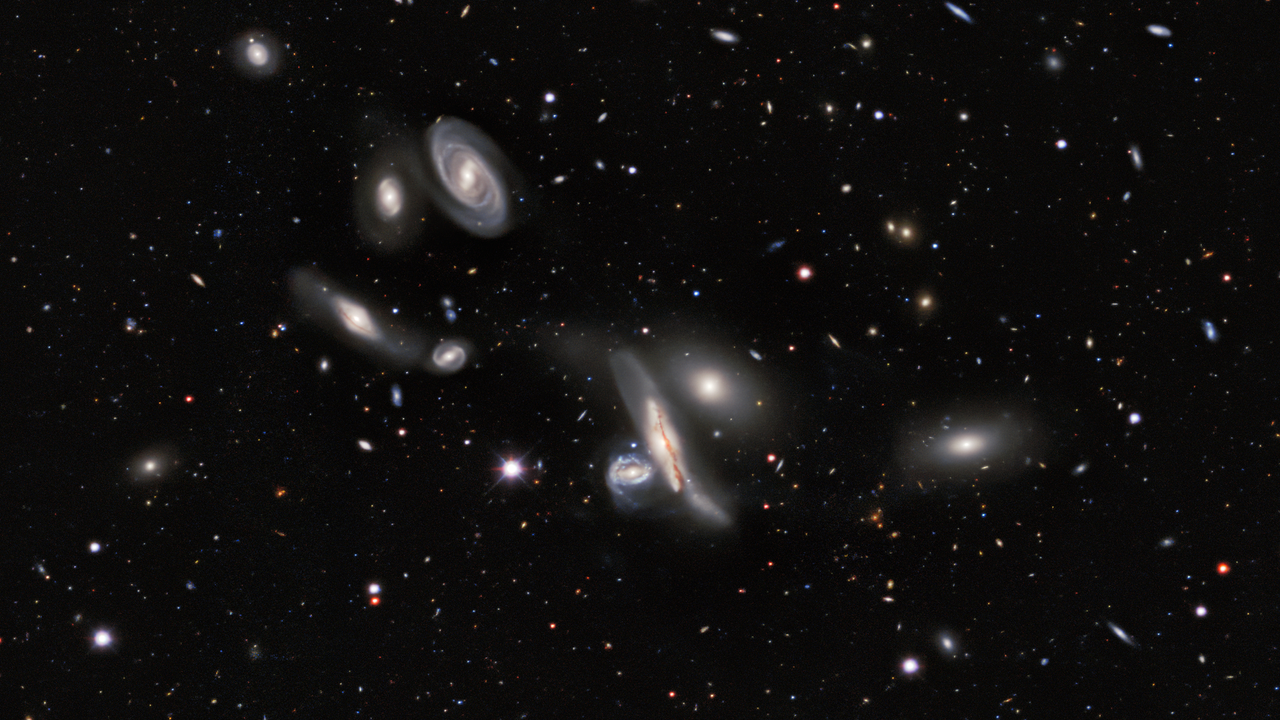
Astronomers have unveiled the largest 2D map of the universe, cataloging over 4 billion cosmic objects. This monumental work was completed using data from the Dark Energy Spectroscopic Instrument (DESI), based at the Kitt Peak National Observatory in Arizona. The map provides a detailed view of galaxies, stars, and other celestial phenomena, offering a new way to study the structure and expansion of the universe.
This mapping effort comes at a crucial time as scientists seek to understand the forces driving the universe's expansion, particularly dark energy, which is believed to make up about 68% of the universe. The DESI project, which officially started in 2020, aims to create a comprehensive survey of the sky by capturing light from distant objects. The results of this mapping will help answer fundamental questions about the universe's history and its ultimate fate, making it an essential tool for astronomers.
The newly created map reveals not only the locations of these objects but also their distances and compositions. With 4 billion objects cataloged, this dataset is a treasure trove for researchers. It includes galaxies that are billions of light-years away, which can help astronomers understand how cosmic structures evolved over time. The reaction from the scientific community has been overwhelmingly positive, with many calling it a game-changer for astrophysics and cosmology.
Moving forward, astronomers will use this map to guide future observations with other telescopes, both on Earth and in space. The data will support various studies, from understanding galaxy formation to probing the nature of dark matter. This monumental achievement is expected to lead to new discoveries and a deeper understanding of the universe, emphasizing the importance of collaboration in scientific research and exploration.
Read Full Story at Live Science →