Bulldozers clear land at Big Bend National Park for border barrier project
Bulldozers have started clearing land at Big Bend National Park for a border barrier project, sparking opposition from locals and environmentalists concerned about ecological damage. This $1.7 billio…
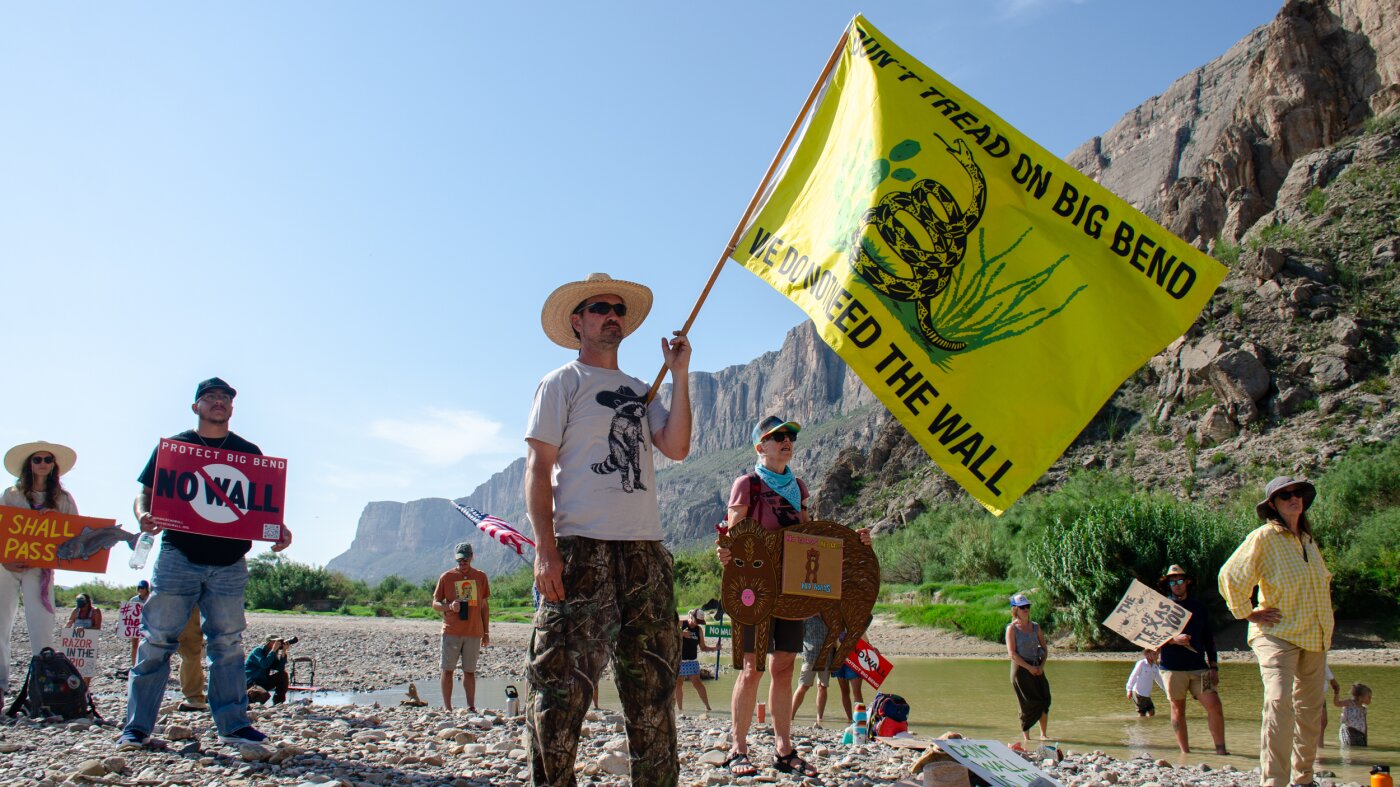
Federal contractors have begun clearing land at Big Bend National Park in West Texas for a border barrier project, igniting opposition from local residents and environmental advocates. Heavy machinery has moved in, bulldozing desert shrubs and marking a construction path in an area known for its stunning natural beauty. The work commenced within the last week near Santa Elena Canyon, a site celebrated for its towering limestone cliffs and vibrant ecosystems.
This initiative is part of a $1.7 billion effort by the Trump administration to enhance border security and reduce illegal crossings. The plans include the construction of vehicle barriers, patrol roads, and surveillance systems. Importantly, the administration has decided to bypass certain environmental laws to expedite this project. A recent federal court ruling declined to block construction, allowing the work to proceed despite widespread concerns.
Local communities are rallying against the construction, arguing that it threatens the integrity of one of Texas's most cherished natural areas. Activists, landowners, and outdoor enthusiasts have united to express their discontent, fearing that any disruption to the park could lead to irreversible ecological damage. Laiken Jordahl from the Center for Biological Diversity stated, "If we lose places like Big Bend, we never get them back." The area, often referred to as "Texas' gift to the nation," has become a focal point for environmental and conservation efforts.
Despite the border patrol's assertion that the construction is necessary to improve safety and response times, illegal crossings in the Big Bend Sector have significantly decreased in recent years. Customs and Border Protection data indicates that encounters along the Texas border are at their lowest in fiscal year 2025. Local advocates point out that the number of illegal crossings within the national park itself is even lower, raising questions about the necessity of such extensive construction in a space that many consider a national treasure.
Read Full Story at NPR News →