Blanche Says DOJ May Take Voter Roll Fight to Supreme Court
Attorney General Todd Blanche signaled the DOJ may petition the Supreme Court to resolve voter roll disputes before the 2024 midterms. This move aims to enforce federal standards against state purgin…
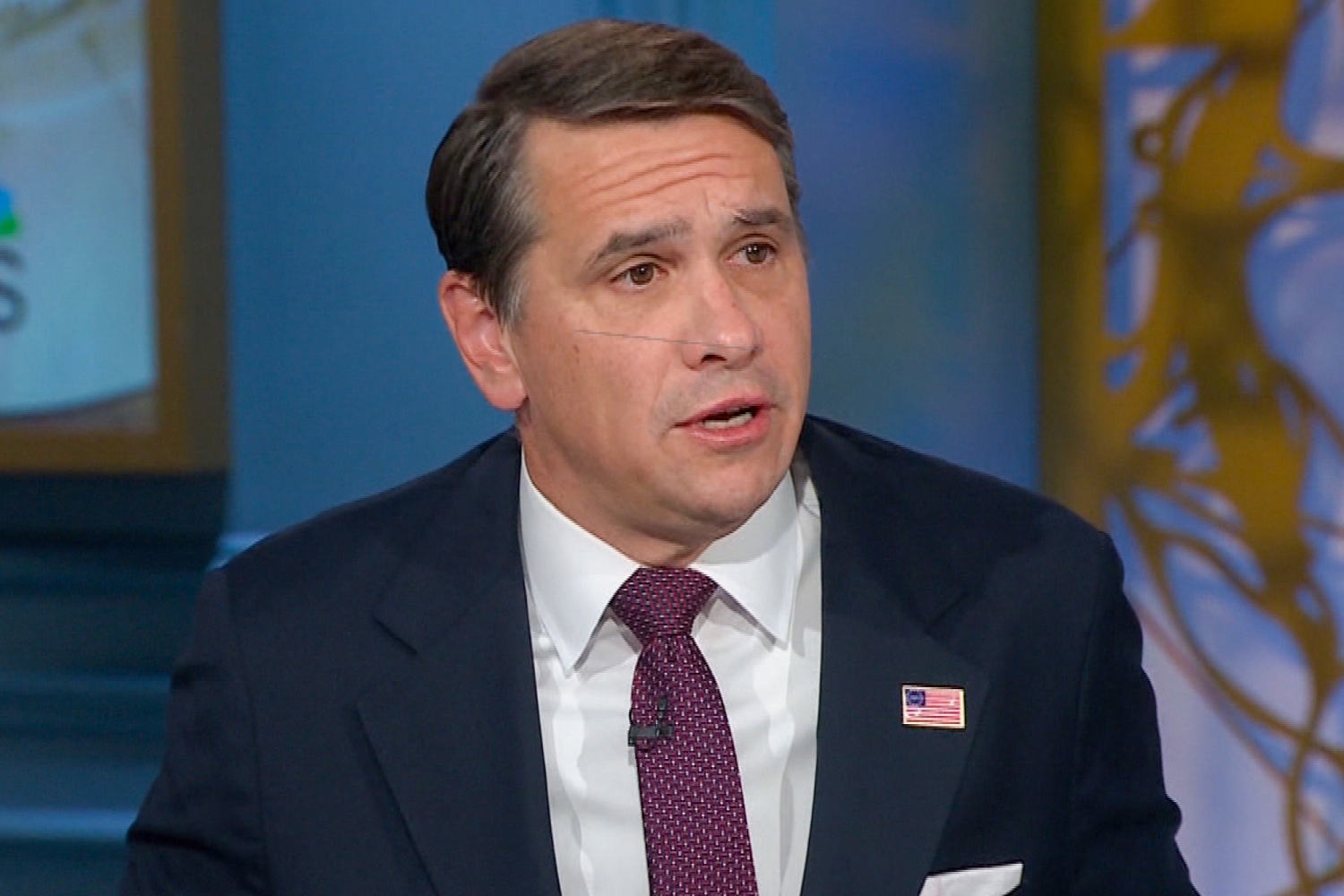
Todd Blanche, the U.S. Attorney General, said on Friday that the Department of Justice could ask the Supreme Court to rule on a series of cases involving state voter rolls ahead of the November 2024 midterm elections. The DOJ’s possible move comes after it has repeatedly challenged state procedures for removing or updating voter registration records, arguing that some states fail to follow federal guidelines that protect voters’ rights. Blanche indicated that the Department sees a “possibility” of taking these disputes to the Court to secure a definitive ruling that would apply nationwide.
The issue has gained new urgency after a 2020 Supreme Court decision that required states to adopt strict procedures for purging voters, including a required notice and a period for voters to contest removal. Several states, particularly in the South, have been accused of using aggressive removal tactics that may disenfranchise voters, especially in minority communities. The DOJ has filed lawsuits in Texas, Alabama, and Mississippi, among others, alleging that state agencies are not adhering to the federal standard. In recent months, state officials have defended their procedures as necessary for maintaining accurate rolls, while civil‑rights groups have warned that the removals could suppress turnout in key districts.
Blanche’s remarks follow a series of DOJ filings that request the Court to interpret the 2020 decision in a way that limits states’ discretion in purging voters. The DOJ’s legal team has presented evidence that some states are removing voters based on incomplete or outdated information, and that the process lacks transparency. State attorneys general have responded by saying the DOJ is overreaching and that the states are following their own statutory requirements. Legal scholars note that a Supreme Court ruling could set a precedent that forces states to adopt stricter safeguards, potentially altering the political landscape for the midterms.
If the Supreme Court accepts the DOJ’s request, it could set a timetable that forces the Court to hear the case before the November elections. The decision would be a landmark moment in the ongoing battle over voter access, potentially influencing how states manage registration data and how voters can challenge deletions. The DOJ’s next steps will likely involve filing a petition for certiorari, while states prepare to defend their procedures. The outcome will have lasting implications for election integrity and the balance of power between federal oversight and state autonomy.
Read Full Story at NBC News →