Austrian court convicts two Syrians for crimes against humanity
An Austrian court convicted two former Syrian intelligence officials of torture and crimes against humanity under universal jurisdiction, a rare case holding individuals accountable for Syria’s war at
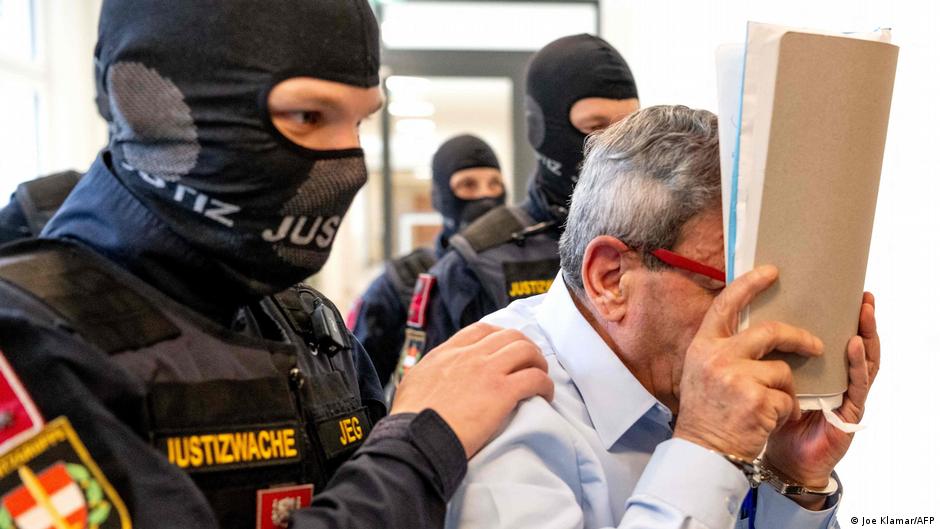
An Austrian court on Monday convicted two former Syrian intelligence officials of torture and other crimes against humanity, marking one of the first
Read Full Story at DW World →Why This Matters
The conviction marks one of the few instances where Syrian officials have faced accountability for state-sponsored atrocities, signaling that even years after the fact, the reach of universal jurisdiction can pierce the impunity that has shielded high-ranking figures in Damascus. It also sets a precedent for future cases, demonstrating that legal avenues exist outside Syria’s borders to address crimes committed during the conflict.
Background Context
The two men were high-ranking officials in Syria’s General Intelligence Directorate during the early years of the civil war, a period when detention centers under their purview became notorious for systematic torture and extrajudicial killings. Austria’s use of universal jurisdiction—allowing prosecution of grave crimes regardless of where or by whom they were committed—reflects a growing trend among European nations to hold foreign officials accountable for atrocities committed abroad.
What Happens Next
Legal experts expect this verdict to embolden prosecutors in other European countries to pursue similar cases, particularly as more Syrian defectors and victims gain access to international courts. The ruling may also pressure third countries to either extradite or try Syrian officials already detained, while raising questions about whether Damascus will retaliate diplomatically or through legal maneuvers to obstruct further proceedings.
Bigger Picture
This case fits into a broader pattern of European courts leveraging universal jurisdiction to address gaps in international justice, particularly where institutions like the International Criminal Court lack jurisdiction. As Syria’s conflict recedes from the headlines, such prosecutions serve as a reminder that accountability remains a viable—and necessary—path forward for victims and a deterrent for future atrocities.