Average person eats six times more chicken than in 1961, UN report finds
UN report says global meat supply has risen fourfold in last 60 years and is expected to keep rising Analysis: Ingredients in place for shift to plant-based diets but meat still dominates The average person eats about six times as much chicken and twice as much pork as their gr
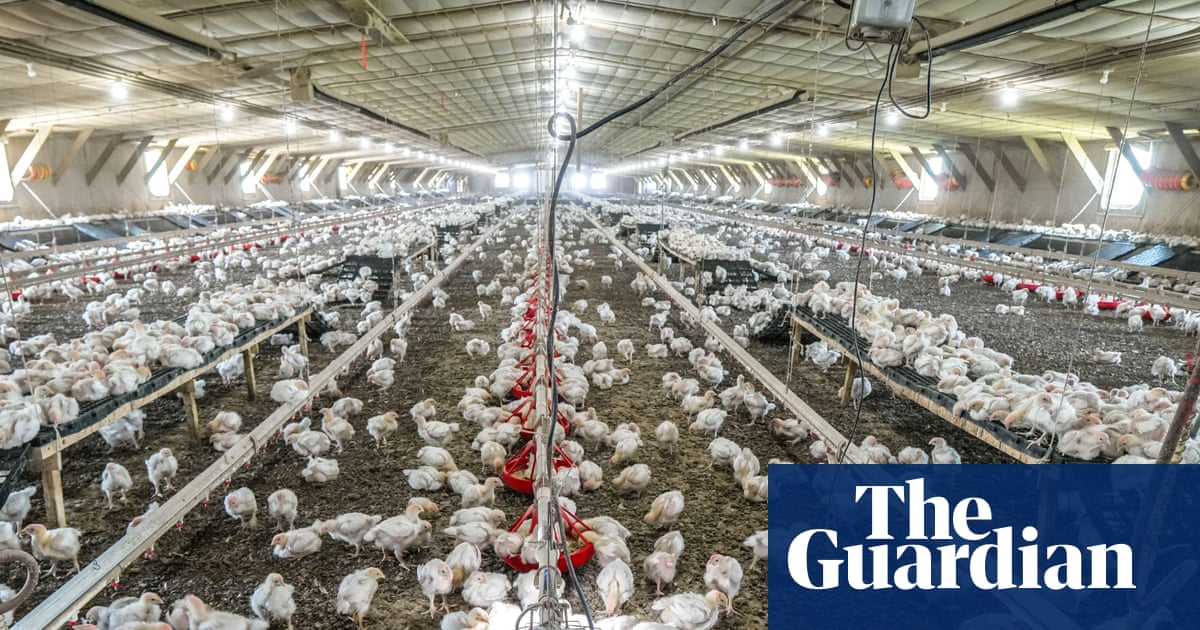
UN report says global meat supply has risen fourfold in last 60 years and is expected to keep rising
Analysis: Ingredients in place for shift to plant-based diets but meat still dominates
The average person eats about six times as much chicken and twice as much pork as their grandparents’ generation did, data from a UN report suggests, with global meat supply having risen fourfold in the last 60 years and expected to keep rising.
The supply of poultry rose from below 3kg a person in 1961 to 17kg in 2022, according to data from the Food and Agriculture Organization (FAO) . Pork supply doubled to 15kg a person over the same period, while beef, the most polluting food, stayed steady at 9kg.
Agriculture is the second most polluting sector of the global economy. Its planet-heating emissions are forecast to rise by 7.6% over the next decade, according to the FAO’s review of the science on the drivers of meat supply and demand, with livestock responsible for an estimated 80% of the increase.
The report found the average global meat supply rose from 25kg per person in 1961 to 47kg per person in 2022. It found that about 14% of meat and milk was lost during production or wasted after reaching supermarket shelves and restaurants.
In low- and middle-income countries, where food insecurity is most prevalent, animal foods are many times more expensive relative to incomes than in rich countries, where doctors and climate scientists recommend eating less meat.
“The regional distribution and access is still very unequal,” said Daniela Battaglia, a livestock development officer at the FAO and co-author of the report. “While high-income countries still have quite high and stable consumption, low-income countries are still constrained by the affordability of [animal products].”