Lactobacillus metabolite boosts fertility in older mice
A metabolite from *Lactobacillus crispatus* improved pregnancy outcomes in older mice by 30% and may help preserve fertility in aging uteruses. Human trials are needed to confirm if this postbiotic e…
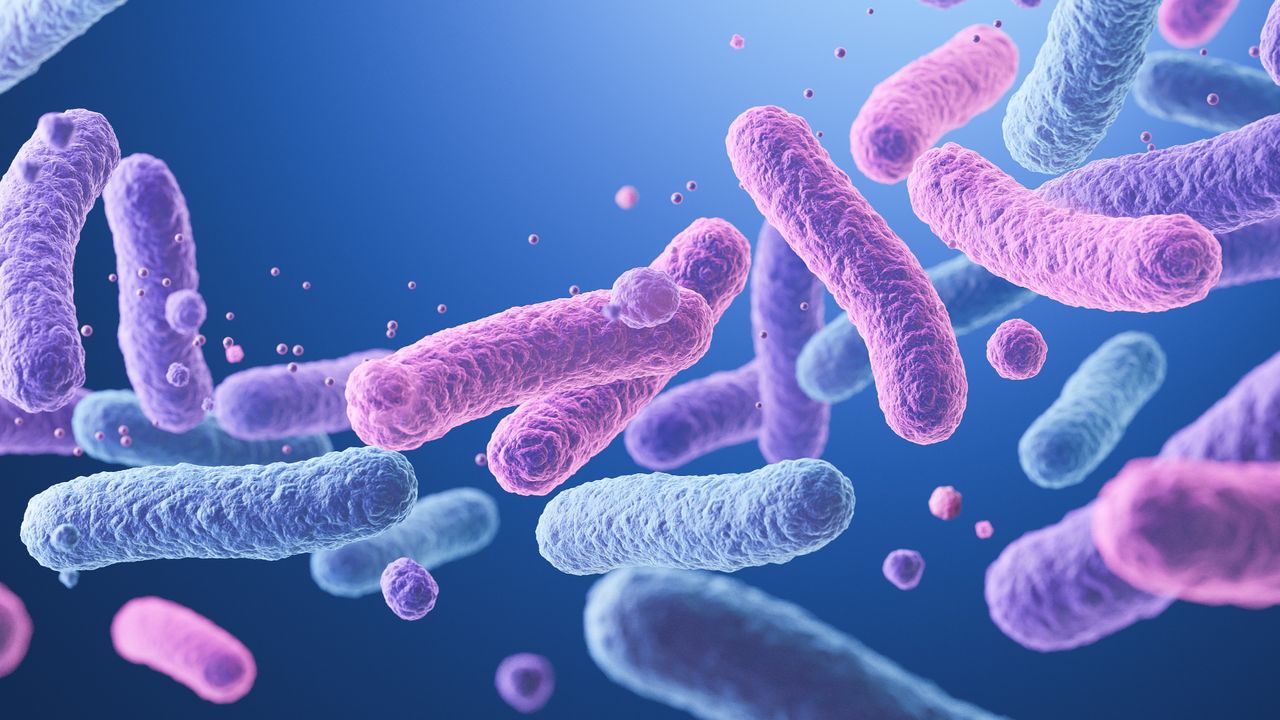
A bacteria-derived "postbiotic" may help preserve fertility in aging uteruses by restoring tissue function, according to preliminary research in mice. Scientists at the University of California, Los Angeles, found that a metabolite produced by the bacterium *Lactobacillus crispatus*—common in the female reproductive tract—rejuvenated uterine cells and improved pregnancy outcomes in older mice. The study, published in *Cell Reports*, suggests postbiotics could one day address age-related infertility, a growing concern as more women delay childbearing.
Fertility declines sharply after age 35 due to reduced egg quality and uterine receptivity. Current options like IVF help, but don’t fix the aging uterus itself. Researchers turned to postbiotics—beneficial compounds produced by bacteria—after noticing that women with healthier vaginal microbiomes had better reproductive outcomes. The team focused on *L. crispatus*, which produces lactic acid and other metabolites that may protect reproductive tissues. In mice, the postbiotic not only strengthened uterine lining but also increased live birth rates by 30%.
While the results are promising, experts caution this is early-stage research. Human trials haven’t started, and no one knows if the effect translates across species. Dr. Linda Giudice, a reproductive endocrinologist at UCSF, called the findings "provocative" but stressed the need for more data. The uterine environment is complex, involving hormones, immune cells, and microbes, all of which interact differently in humans. Side effects or unintended consequences could emerge in later studies.
If further research confirms the benefits, postbiotics could offer a non-invasive way to extend fertility. For now, the study opens new avenues for treating age-related infertility without relying solely on assisted reproductive technologies. The team plans to test the postbiotic in larger animal models next, followed by human cell studies. The goal isn’t just to help older women conceive but to understand how microbial metabolites influence reproductive aging at a fundamental level.
Read Full Story at Live Science →