Bali dumps 3,000 tons of daily waste with little recycling
Bali generates over 3,000 tons of waste daily, but only a fraction is recycled, choking beaches and rivers with plastic. Without urgent action to improve waste management, tourism and public health wi
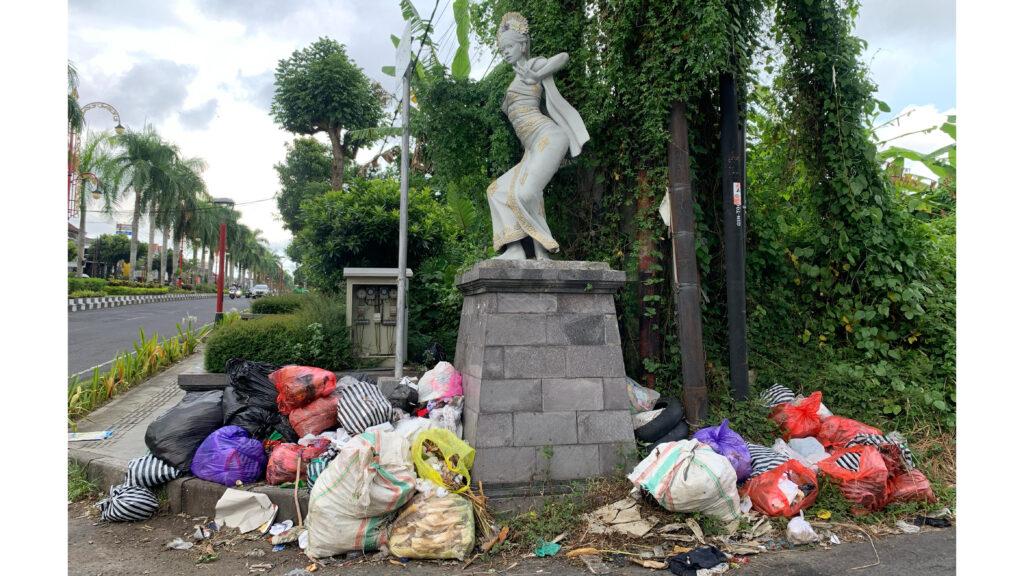
Bali’s once-pristine beaches and lush rice terraces are now choked with plastic waste as the island’s waste crisis spirals out of control. Mountains o
Read Full Story at Inside Climate News →Why This Matters
The plastic crisis in Bali is no longer just an environmental issue—it’s a warning for global tourism hubs. As one of the world’s most visited destinations, the island’s struggle with unmanageable waste exposes the fragility of relying on single-use plastics while failing to invest in sustainable infrastructure. The health of its ecosystems and the safety of its communities depend on breaking this cycle, but the stakes extend beyond Bali’s shores.
Background Context
Bali’s waste problem is decades in the making, exacerbated by rapid tourism expansion and a lack of centralized waste management. While the island produces over 3,000 tons of waste daily, much of it ends up in rivers or informal landfills, where plastic breaks down into micro-particles that poison marine life and drinking water. Local initiatives, like community recycling programs, have emerged in response, but systemic gaps persist due to underfunded infrastructure and weak enforcement of waste regulations.
What Happens Next
Without decisive intervention, Bali’s plastic pollution could escalate from an environmental concern to a public health emergency, particularly in coastal communities. The government’s delayed waste management reforms may force tourism operators to adopt costly self-sustaining solutions, while grassroots movements could gain momentum if official efforts fall short. The next 12–24 months will reveal whether Bali can pivot toward circular economy models or remain trapped in the same unsustainable cycle.
Bigger Picture
Bali’s crisis is part of a larger reckoning for tropical tourism destinations, where plastic pollution and overtourism collide. From the Maldives to Thailand, similar patterns are emerging—rapid growth outpacing waste infrastructure, leaving fragile ecosystems to bear the cost. The lesson is clear: sustainable tourism requires more than just carbon-neutral resorts; it demands systemic investment in waste reduction before the damage becomes irreversible.