Court sentences Mahrang Baloch, Sibghatullah Shahji to life in prison
A Pakistani court sentenced Balochistan activist Mahrang Baloch and Sibghatullah Shahji to life imprisonment for a 2024 protest-related murder. Rights groups call the case politically motivated suppre
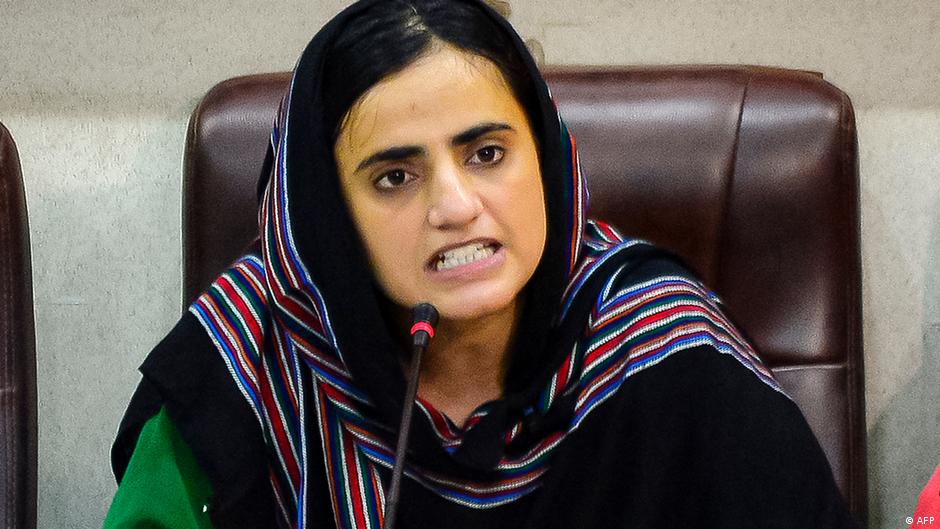
A Pakistani anti-terrorism court this week sentenced civil rights activist Mahrang Baloch and fellow campaigner Sibghatullah Shahji to life imprisonme
Read Full Story at DW World →Why This Matters
The life sentences handed to Balochistan activist Mahrang Baloch and Sibghatullah Shahji underscore a dangerous escalation in Islamabad’s crackdown on dissent, signaling a broader shift toward criminalizing political resistance in Pakistan’s restive southwestern province. Beyond the legal verdict, the case has become a flashpoint for Baloch nationalist grievances, potentially radicalizing a new generation of activists already frustrated by decades of perceived marginalization and state violence.
Background Context
Balochistan’s history of separatist insurgencies dates back to the 1940s, but recent years have seen a resurgence of protests targeting the China-Pakistan Economic Corridor (CPEC), a $62 billion infrastructure project many Baloch view as exploitative. The 2024 protest that led to the murder charge occurred amid escalating confrontations between security forces and Baloch nationalist groups, including the banned Baloch Liberation Army (BLA), which has accused Pakistan of genocide in its crackdown on ethnic Baloch civilians.
What Happens Next
The sentences are likely to intensify protest movements in Balochistan, with activists vowing to escalate resistance despite the risks of further repression. International human rights organizations may pressure Islamabad to review the case, but given Pakistan’s track record of dismissing such concerns, the ruling risks deepening the province’s isolation from the federal government. Observers should watch for retaliatory attacks by underground militant factions or coordinated civil disobedience campaigns in major cities.
Bigger Picture
This case reflects a wider global pattern of authoritarian states using judicial systems to silence dissent, particularly in resource-rich regions where marginalized groups resist extractive economic policies. It also highlights the failure of Pakistan’s security-centric approach to Balochistan, which has repeatedly backfired by fueling cycles of violence rather than quelling separatist sentiment. The international community’s muted response to such crackdowns may embolden further repression in other disputed regions.






