Before you buy another USB-C charger, make sure it has this critical (and hidden) spec
Buying the perfect USB-C charger may look simple at first, but the reality is full of potential gotchas. If you’ve ever reached for your cable only to find that your device is still charging hours la…
Affiliate links on Android Authority may earn us a commission. Learn more.
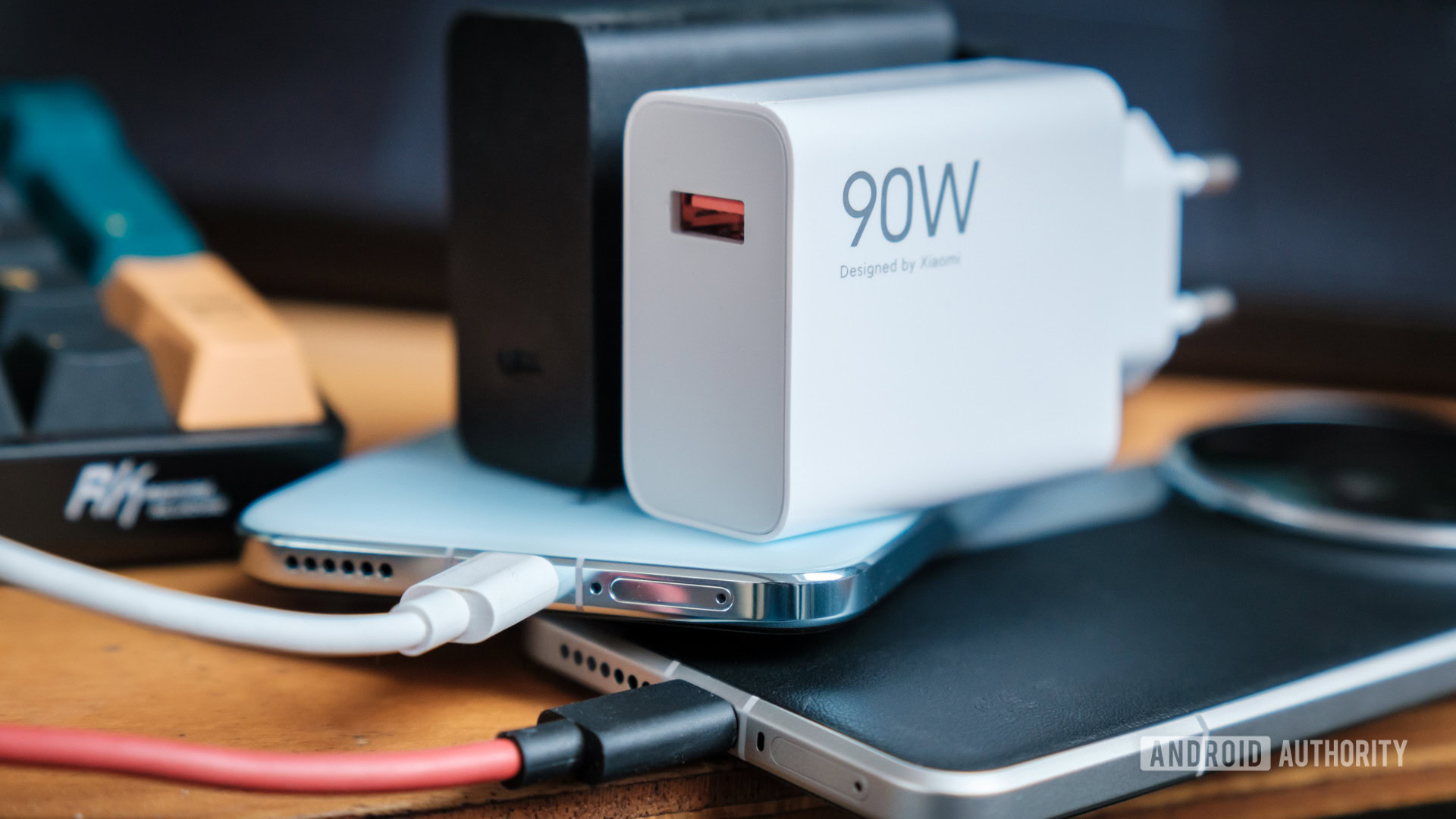
Buying the perfect USB-C charger may look simple at first, but the reality is full of potential gotchas. If you’ve ever reached for your cable only to find that your device is still charging hours later, you’re certainly not alone.
In one sense, USB-C and USB Power Delivery were supposed to solve this mess. The universal connector and new regulations, such as those introduced in the EU, were designed to ensure that one charger could support everything. In some ways, that has been a success: USB-C can now be found on almost every phone, tablet, laptop, and more. However, the difference between something that technically works and something that works optimally can still be surprisingly wide.
Even before you get into the weeds of choosing the best charger, prospective buyers have some fairly laborious homework to do. Between choosing the right power level, ensuring protocol compatibility, and understanding how power is split across multiple ports, there are plenty of hidden pitfalls that set the best chargers apart from the rest.
Keeping an eye on these details matters. Picking a charger that doesn’t support the same charging standards as your smartphone is one of the easiest ways to end up with sluggish charge times. Fortunately, most recent smartphones support USB Power Delivery and its PPS (Programmable Power Supply) extension, which enables more efficient and flexible power delivery. Samsung’s Galaxy S and Google’s Pixel lines are just two of the biggest names on a list that also includes Motorola, OnePlus, Xiaomi, and many others. Apple, on the other hand, adopted USB PD AVS to fast charge its latest iPhones.
Problem solved then? Unfortunately not. Even if your phone supports USB PD PPS at 45W, for example, there are several different voltage and current combinations it could use to reach that power level — and your charger needs to support the right one.
Samsung is a very good (or perhaps a bad) example of this phenomenon in action. When it first introduced 45W charging for the Galaxy S21 Ultra, the phone used a roughly 9V, 5A charging profile. That’s what Samsung’s official chargers and some third-party options supported, provided you also had a suitably rated 5A cable to pair with them.
With more recent Galaxy S Ultra models, Samsung changed the requirements to roughly 12V, 3A. However, not all chargers support this newer profile. Some older plugs that only provide the previous 9V charging method can still work, but they may be limited to around 27W, even if the plug’s total wattage claims to be far higher.
Read Full Story at Android Authority →