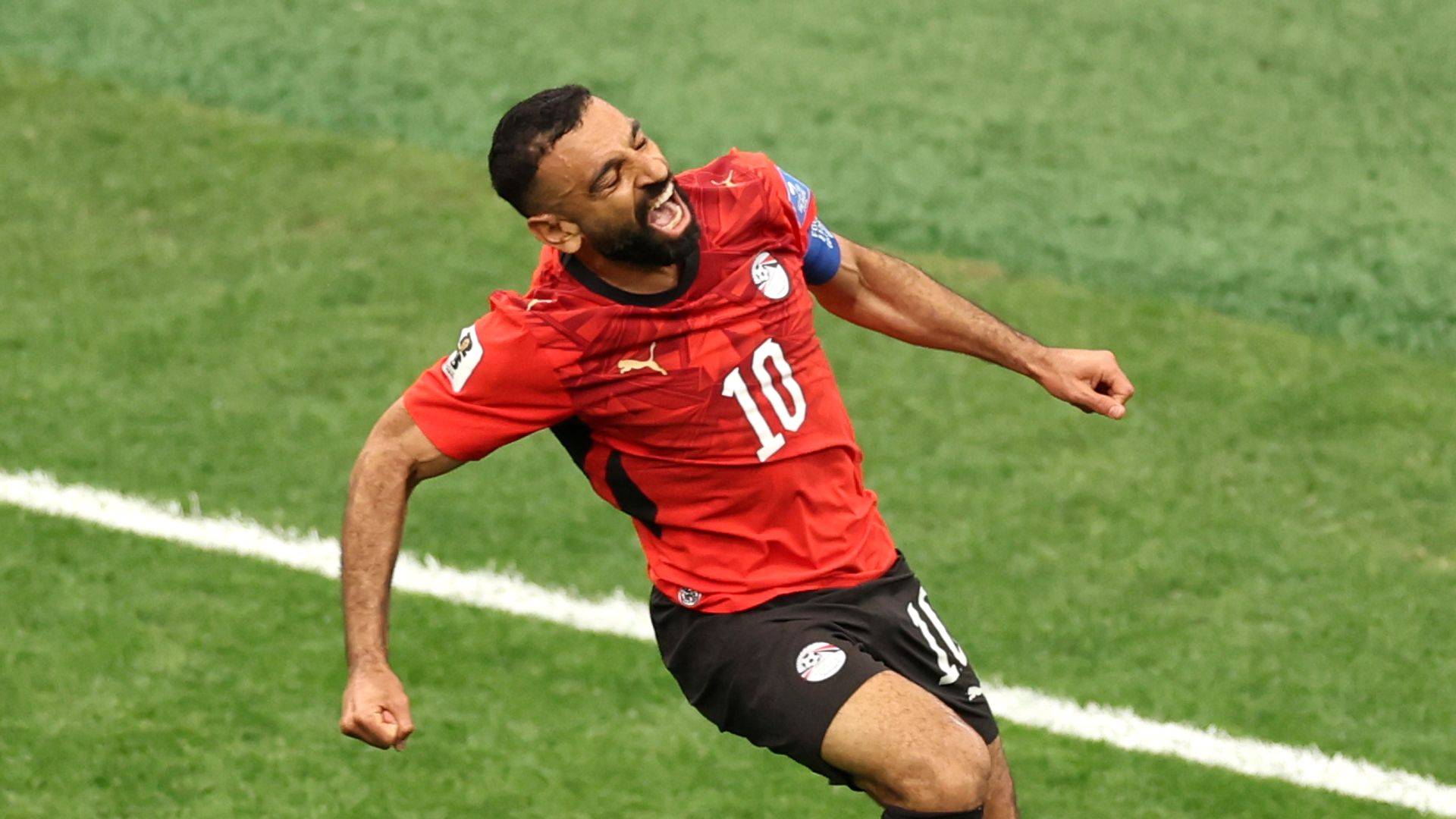
Pochettino takes blame as USA falls to Belgium
Pochettino accepted full responsibility for Team USA’s loss to Belgium, highlighting the tactical gap between the squads. This defeat underscores the US’s ongoing struggle against elite competition, w
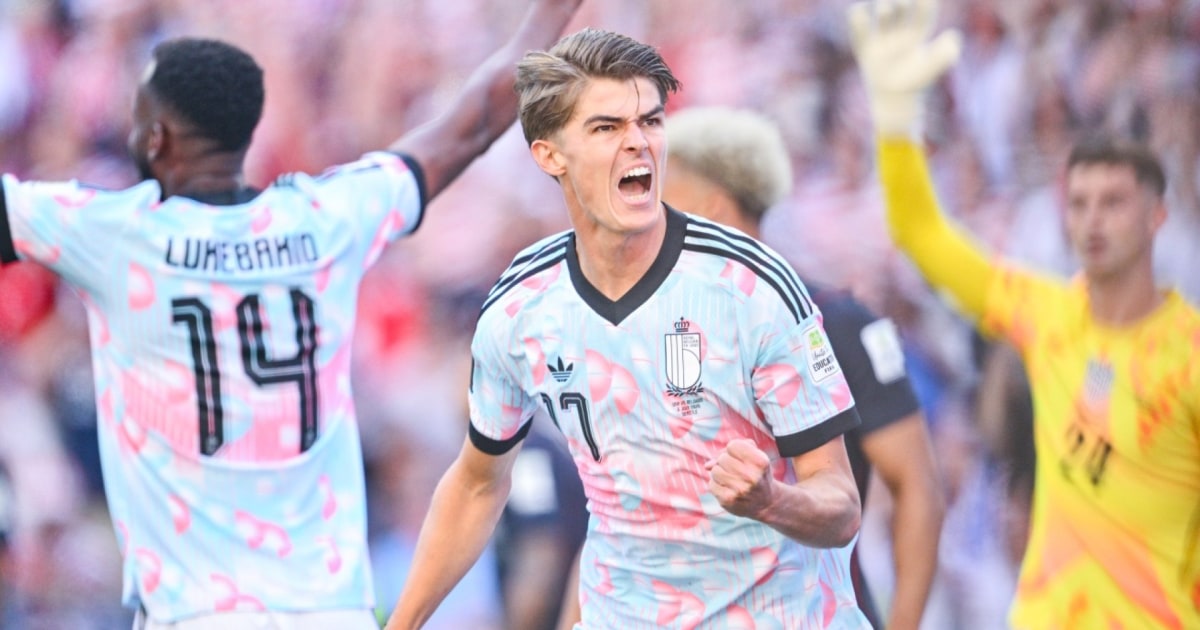
Mauricio Pochettino has publicly accepted full responsibility for the United States men’s national soccer team’s exit from the tournament, acknowledgi
Read Full Story at NBC News →Why This Matters
The elimination of Team USA by Belgium exposes deeper structural challenges in American soccer development, particularly in tactical sophistication and high-pressure performance. It serves as a wake-up call for a program that has long relied on athleticism over technical refinement, forcing a reckoning with the gap between regional dominance and elite international standards.
Background Context
Despite the rapid expansion of MLS and the rising profile of young U.S. talents abroad, the national team’s struggles in major tournaments reflect systemic issues in coaching development and youth academy standards. Belgium, meanwhile, has leveraged a golden generation of technically gifted players nurtured through a centralized youth system—a model the U.S. has yet to fully emulate.
What Happens Next
The federation will likely double down on tactical education at the youth level while evaluating whether Pochettino’s long-term vision aligns with the urgency of World Cup cycles. Meanwhile, the spotlight will shift to the next wave of prospects, including MLS standouts, to determine if the U.S. can bridge the gap before the 2026 tournament on home soil.
Bigger Picture
This defeat underscores a broader trend in international soccer, where traditional powerhouses increasingly dominate through structured development pathways. For the U.S., it highlights the tension between rapid professionalization and the need for a sustainable, homegrown talent pipeline—a challenge that will define its competitiveness beyond isolated tournament performances.