AI designs chip components 500 times smaller, boosting performance and efficiency
AI has designed new chip components that are 500 times smaller than those typically produced by engineers, significantly enhancing performance and energy efficiency. This breakthrough addresses the g…
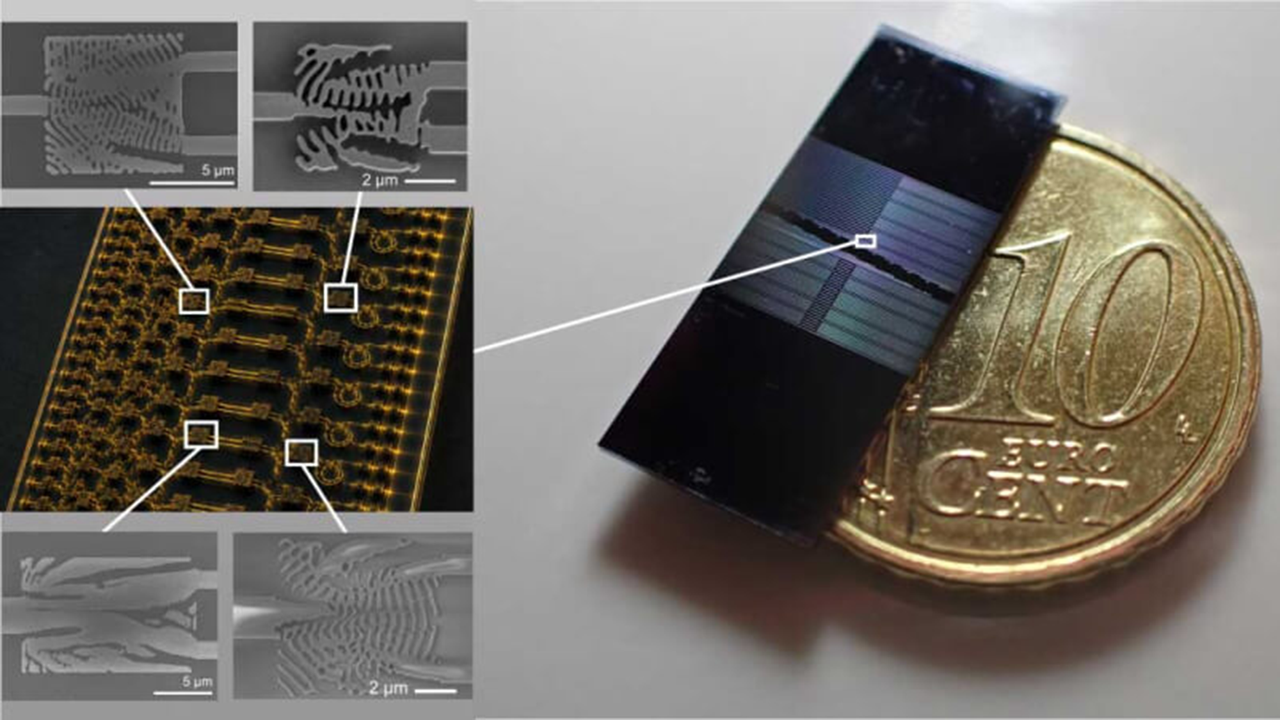
Three new AI-designed chip components, measuring just a few micrometers in length, have been developed, showcasing capabilities far beyond what human engineers could previously envision. This breakthrough was reported by researchers at a leading technology institution, highlighting the rapid advancements in artificial intelligence within the field of semiconductor design.
This innovation comes at a critical time as the demand for smaller, more efficient electronics continues to grow. As devices become increasingly compact, the need for smaller chip components has surged, driven by the proliferation of smartphones, wearables, and Internet of Things (IoT) devices. Human-designed components have limitations in size and complexity, often hampered by the constraints of human intuition and experience. AI, however, can analyze vast datasets and simulate designs at an unprecedented scale, leading to new possibilities in chip architecture.
The newly designed components are reportedly 500 times smaller than the smallest parts that engineers have typically considered, opening doors to enhanced performance and efficiency. This leap in scale could result in chips that consume less energy and operate faster, potentially revolutionizing the tech industry. Early reactions from industry experts suggest that this could lead to a new era of computing, where AI plays a central role in design and innovation, fundamentally changing how we think about electronic hardware.
Looking ahead, the implications of these advancements are significant. If AI continues to improve in designing semiconductor components, it could lead to faster processing speeds and reduced energy usage in devices. This might accelerate the development of advanced technologies such as artificial intelligence, machine learning, and quantum computing. As researchers continue to explore AI's potential in this field, the landscape of electronics could change dramatically, impacting everything from consumer electronics to global communications.
Read Full Story at Live Science →