Lawmakers push back against data centres amid environmental concerns
Opposition to data centres is growing in the U.S. as concerns rise about their environmental impact and strain on local electricity supplies, with lawmakers from both parties questioning new projects…

Data centre opponents are mobilising across the United States as the mid‑term election on 3 November draws near, with both Republican and Democratic lawmakers questioning new projects while President Donald Trump dismisses the criticism as a “sick conspiracy”. The fight is being sparked by a surge in massive, power‑hungry facilities that power everything from streaming video to AI chatbots, and by growing concerns that they are draining local electricity supplies, polluting the air and threatening the climate.
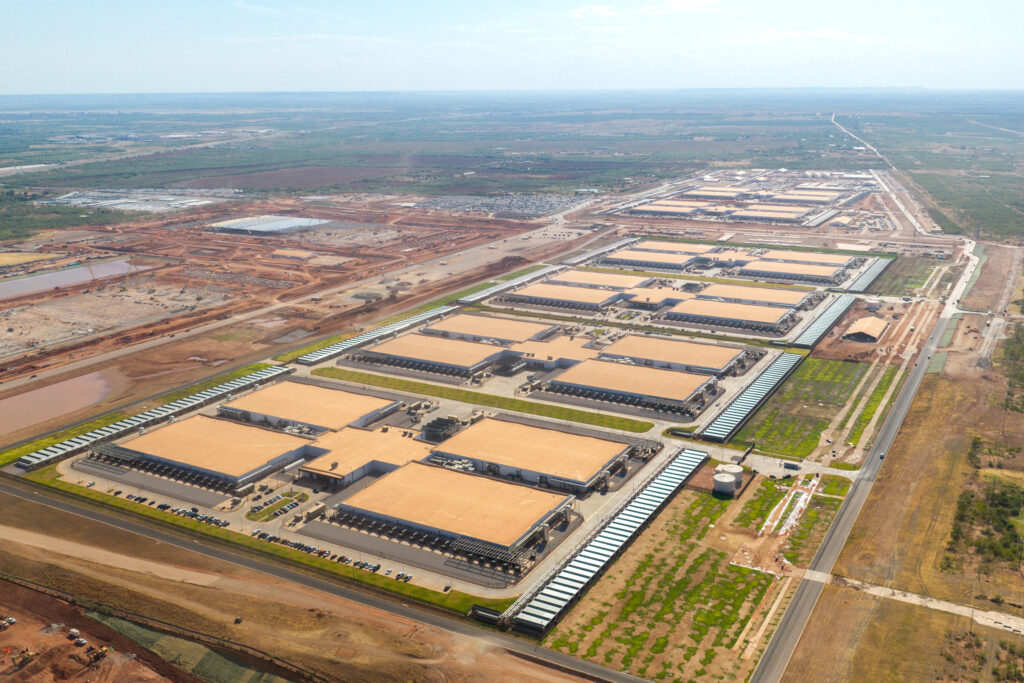
The boom is real. A tracking firm counts about 12,250 data centres worldwide, up from roughly 8,000 in 2021, and the United States hosts the largest share with 4,767 sites. Most of the growth has been driven by the AI surge, which requires far more computing power than traditional web services. To meet that demand, developers are moving beyond city‑edge locations and building ever larger complexes in rural areas where high‑voltage power lines and cooling water are more accessible. The shift is straining local grids, prompting regulators and residents to question whether the economic benefits outweigh the environmental costs.
One of the most contentious projects is Colossus 2, part of a sprawling campus in Texas that will house hundreds of thousands of Nvidia AI chips and train Elon Musk’s xAI chatbot Grok. The site will be powered by 41 methane‑fuel turbines, a move activists say could raise local air‑pollution levels despite regulators’ assurances that emissions will meet standards. Similar mega‑facilities are under construction in China’s Inner Mongolia, where a single centre covers an area the size of 140 football pitches, underscoring how the race for AI compute is reshaping the global data‑centre landscape.
The backlash could shape policy in the coming years. Lawmakers are proposing stricter zoning rules and higher environmental standards, while industry groups argue that heavy‑duty data centres are essential for national competitiveness in AI. As the election approaches, voters in affected communities will likely weigh the promise of high‑tech jobs against the reality of louder, hotter, and more power‑intensive neighbours, making the data‑centre debate a flashpoint for broader discussions about the cost of the digital economy.
Read Full Story at BBC Technology →