BlackBerry's QNX targets AI and robotics safety markets
BlackBerry’s QNX operating system, known for its reliability in critical systems, is now being marketed as essential for AI-driven robots and self-driving cars due to its ability to prevent crashes. T
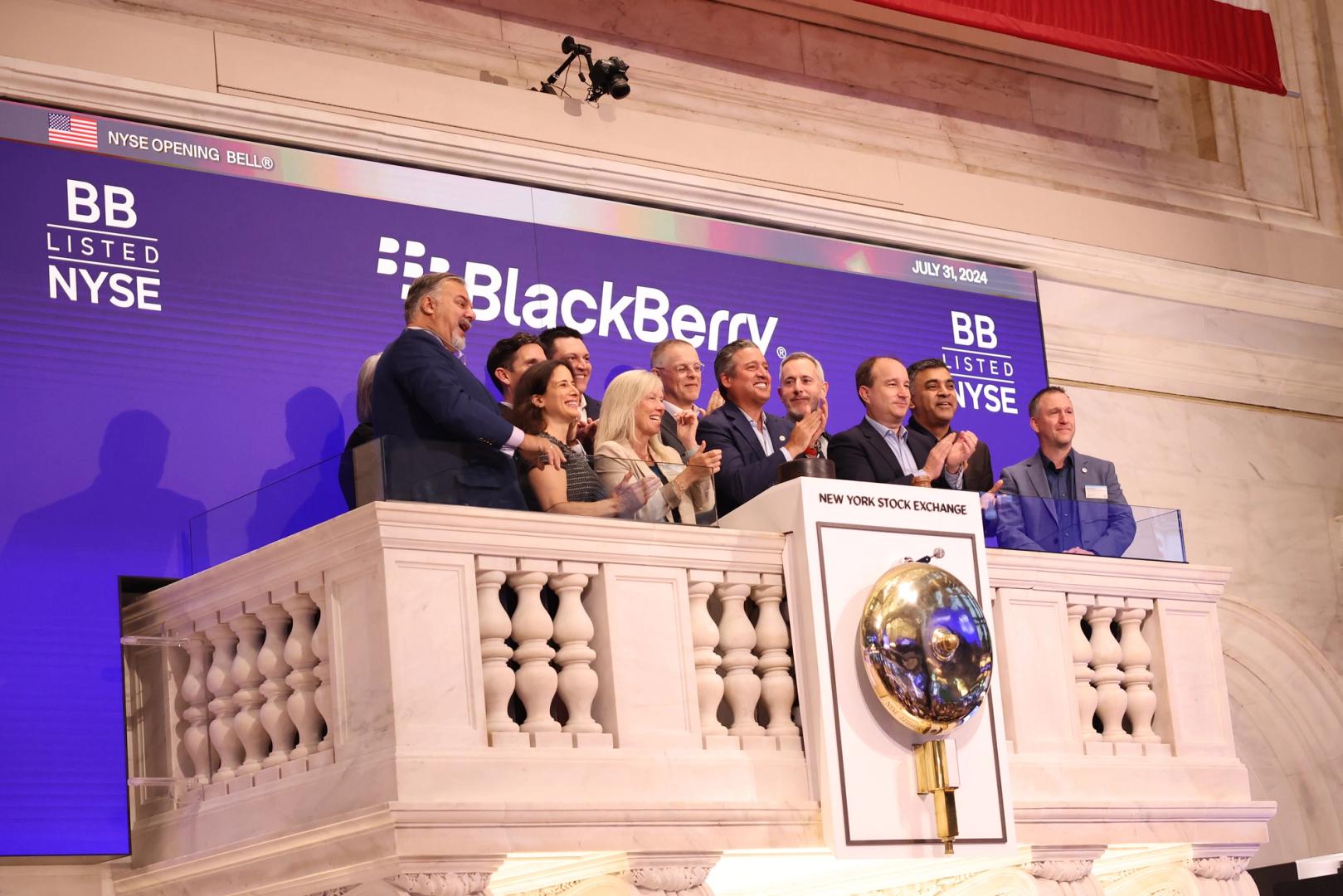
BlackBerry’s QNX operating system is back in the spotlight after the company announced a new push to sell its “uncrashable” software layer as the back
Read Full Story at CoinDesk →Why This Matters
The revival of BlackBerry’s QNX as a cornerstone for AI and robotic safety signals a critical pivot in how we prioritize system reliability in an era of exponential automation. Unlike traditional operating systems that focus on performance, QNX’s deterministic architecture offers a safeguard against the unpredictable failures that plague modern AI deployments, potentially redefining safety standards across industries.
Background Context
Born from BlackBerry’s historic dominance in mobile security, QNX was originally engineered for automotive and industrial systems where failure is catastrophic. Its microkernel design, which isolates critical functions from less essential processes, has already underpinned systems in medical devices and aviation. Now, as AI and robotics push into uncharted reliability thresholds, QNX’s "uncrashable" reputation positions it as a silent guardian of next-gen automation.
What Happens Next
Expect BlackBerry to aggressively court partnerships with autonomous vehicle developers and robotics firms, leveraging QNX’s certification in safety-critical environments like ISO 26262. The real test will be whether its deterministic approach can scale to handle the chaotic, real-time demands of AI inference without sacrificing speed—raising questions about adoption costs and integration complexity.
Bigger Picture
This marks a broader shift where reliability trumps raw compute power in high-stakes AI applications, mirroring trends in aerospace and defense. As industries grapple with the existential risks of AI-driven systems, BlackBerry’s bet on QNX reflects a growing demand for "fail-safe" computing—a concept that could become as foundational as cloud scalability in the next tech cycle.




