Britain is in a doom loop: people mistrust democracy and politicians. I say a hope loop is possible too | Polly Curtis
There are ways to address the lack of faith. And unless Starmer, Burnham or Streeting do that, the issue of who is PM is moot W hat happens next? Will Andy Burnham win the Makerfield byelection ? Will Keir Starmer fight on? Will Wes Streeting run? After that, can Reform win the
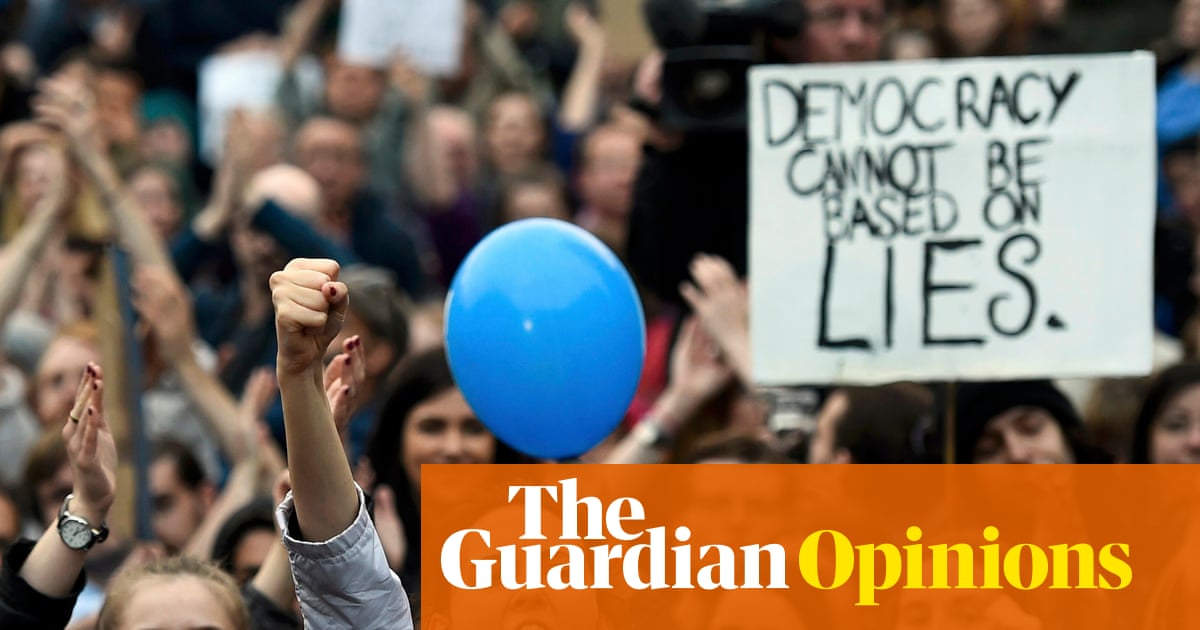
There are ways to address the lack of faith. And unless Starmer, Burnham or Streeting do that, the issue of who is PM is moot
W hat happens next? Will Andy Burnham win the Makerfield byelection ? Will Keir Starmer fight on? Will Wes Streeting run? After that, can Reform win the next general election? Is the Green bounce real? The politics-as-sports predictions rumble on. One newspaper editor texted me the other day asking who would be prime minister come Christmas, apparently because I was on his “clever list”. “Dunno” I said. “You’re off the list,” he replied.
My fear is that whoever is prime minister by the end of the year, a lot of attention will have been distracted from the underlying problem. Voters are not just giving up on this government, but on democracy itself. This weary, cold scepticism comes through in the polls, the focus groups, and it’s in the look in the electorate’s eyes. Politicians know it and it’s making the country ungovernable.
In all the analysis about why it’s so hard to govern, this key point is being missed: you can’t lead a country that has no faith in you. It’s like a toxic workplace that isn’t psychologically safe. “Culture eats strategy for lunch”, they say. You can’t do the difficult things that need to be done unless people trust you. You will fail.
This is the doom loop we are crippled by: people don’t trust the government, so the government can’t deliver, so trust is further eroded. And these cycles of failure are speeding up. The polls turn to ever more wildcard alternatives because really, could they be worse? Yes. This is what democratic backsliding looks like. It is a democratic emergency.
I don’t see anyone offering a political answer to this emergency beyond “we must deliver”, which, without legitimacy, will not suffice. The far right and the left avoid the hard conversations by offering simplistic, unworkable solutions. The centre gets lost in the detail. Tony Blair says strong leadership is demanded , but his reference points – big tech and powerful elites – miss the point. This is not about exerting more will on the population for their own good, it’s about listening more carefully to people and giving them a voice, to rebuild legitimacy and create a hope-loop.
My solution is different: we need more democracy, not less. Rather than abandoning democratic norms and following a trend that is unleashing across the world, we need whoever ends up running the country at the end of the year to work to upgrade democracy, and repair this broken relationship between the state, its institutions, and citizens. They need to win people back round to the whole notion of democracy. So what exactly does this look like?
Democracy needs a new operating system. Proportional representation and even Australian-style compulsory voting would help equalise everyone’s vote. But more rapidly, our everyday experience of democracy needs to change. People point to citizens assemblies – and they have merit on big stuck policy issues like assisted dying, social care funding, or the current work on digital ID – but there are now rich and diverse ways of involving people, using AI at scale, and by devolving power ever more radically to communities, to make people feel heard and responded to. This will speed up and de-risk decision-making rather than slow it down.