British politics is fractured and chaotic – but at last it’s brimming with ideas for the future | Polly Toynbee
Finally, Labour is talking policy, thanks to the leadership contest and Tony Blair’s intervention – and the centre-right is making a much-needed fightback too “W ouldn’t it be great if Tony Blair kept his mouth shut about the Labour party?” Readers may have cheered that Guardian
Finally, Labour is talking policy, thanks to the leadership contest and Tony Blair’s intervention – and the centre-right is making a much-needed fightback too
“W ouldn’t it be great if Tony Blair kept his mouth shut about the Labour party?” Readers may have cheered that Guardian letter-writer’s response to yet another infuriating assault by Blair from the outer-stratosphere of nowhere. Isn’t Labour in enough trouble with a life-or-death byelection against the forces of darkness without incoming fire from its former leader?
Actually, no. His intentions may not have been benign, but Blair does Labour and national politics a favour, prising open the political omertà preventing serious discussion within parties. There can’t be a new prime minister installed without an honest reckoning of the precarious state of the nation.
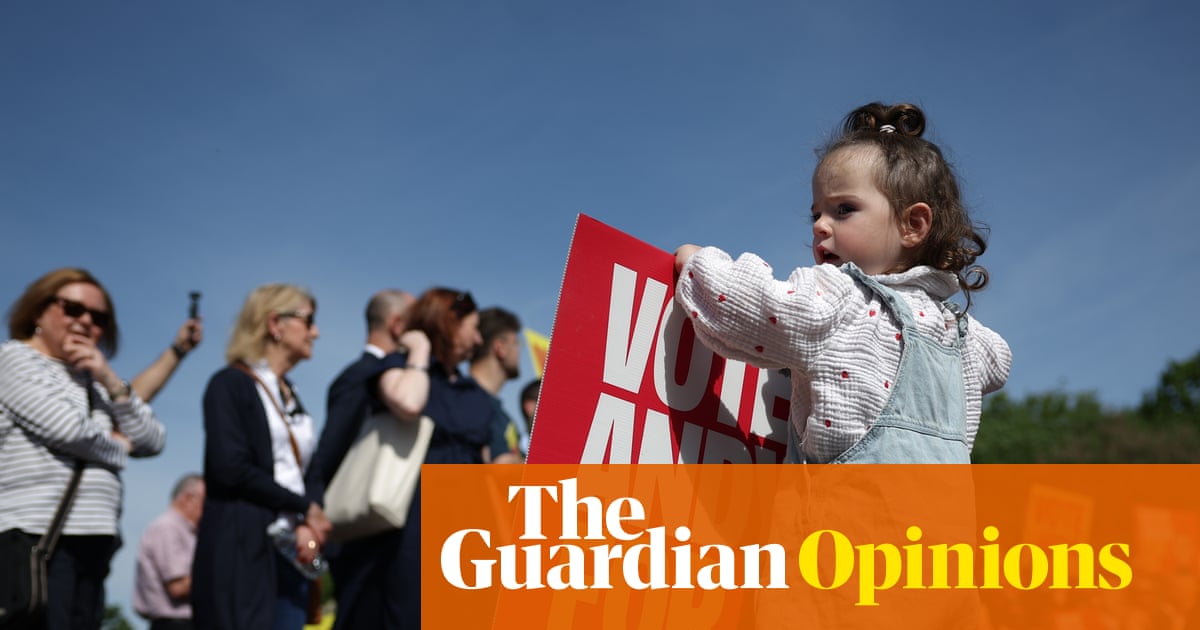
Wes Streeting’s resignation and Andy Burnham standing for Makerfield have blown the doors off Labour’s “no discussions here” era, and Blair’s epistle spreads that debate beyond the confines of the Labour party. Pamphleteering is back, and essays and counter-essays enliven a parched intellectual terrain. If ever there was a time for freer discussion and bigger ideas, it’s now.
A new pluralism is in the air. Streeting praises Burnham effusively about his campaign and his introduction of new ideas, feeling liberated from a “suffocating tyranny of silence” inside a “barren government in terms of values”. Burnham pledges to abandon the “straitjacket of the whip” and, even more revolutionary, he won’t send MPs “into TV studios with lines to take on everything”. Can that toleration of ideas survive in power?
Both contenders lay into Blair’s not mentioning the inequality that fuels populist anger and extremism. I am mystified by Blair’s curious demolition of his own government’s best successes: Sure Start, a million fewer poor pensioners, as many 600,000 fewer poor children , near-zero NHS waiting lists , devolution, civil partnerships , the minimum wage , childcare reforms , schools rebuilt , apprenticeships doubled , the overseas aid budget doubled , the Climate Change Act … I could list much more, even if he now chooses to forget, and calls instead for another dose of the austerity that swept away so much of Labour progress.
Thinktanks and Labour MP caucuses now add their dossiers of ideas. The toughest issues await answers for reviving growth. Energy prices will worsen the cost of living crisis. A national care service and the NHS need paying for: how to squeeze it from the property of the older people who use those services most? How to pay for defence and raise taxes (which the Institute for Fiscal Studies says are still low on median earners by international standards)? How to build, build, build social housing? How to avoid oppression by tech oligarchs, and harness AI productively without it devouring us? How to reconnect with Europe and consciously uncouple from Donald Trump’s US? All this while the climate crisis burns.
There is no money at the end of a rainbow, no facile Nigel Farage or Zack Polanski solution, nor any fantastical pot of “welfare savings” to raid. When money is scarce, big ideas matter more: remember Clement Attlee and 1945. Alan Milburn’s young people and work report lands as a guide to lifting spirits in hard times for Labour – the party could refocus all policy on the young and their future. Creating a generation on the up would help erase the sense of national decline.