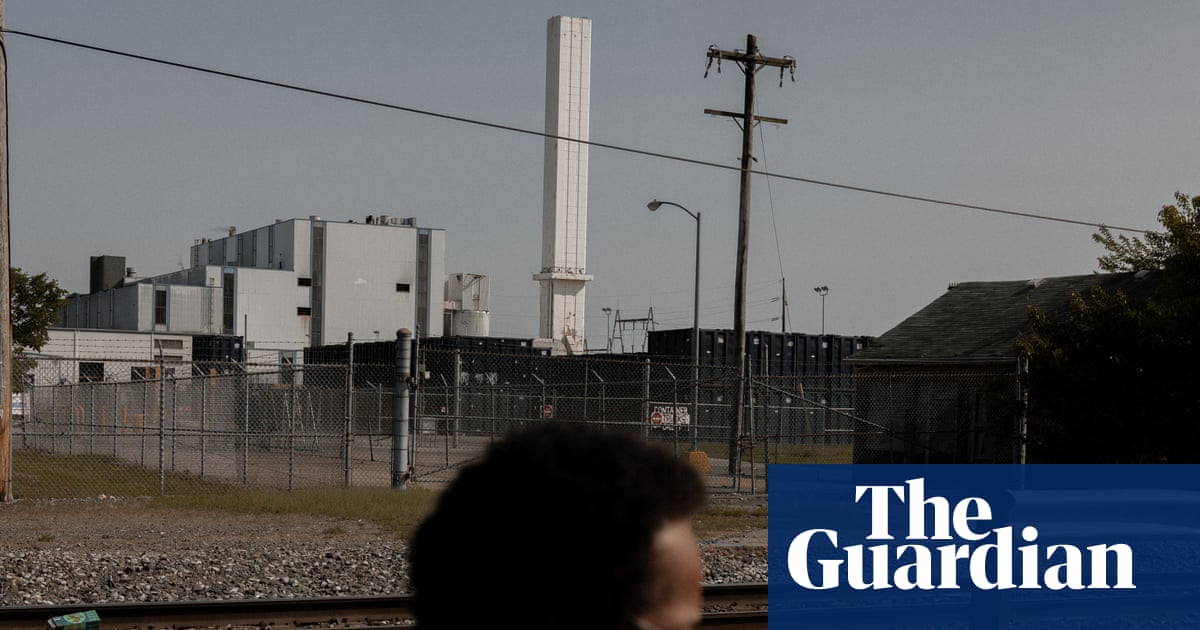
California and New York weaken climate rules as red states ramp up green energy
Republican-led states growing renewable capabilities at faster rate as Texas emerges as clean-energy leader Democratic-led states are eroding their climate policies, as red states are scaling up their clean energy deployment. California on Friday scaled back its cap-and-invest
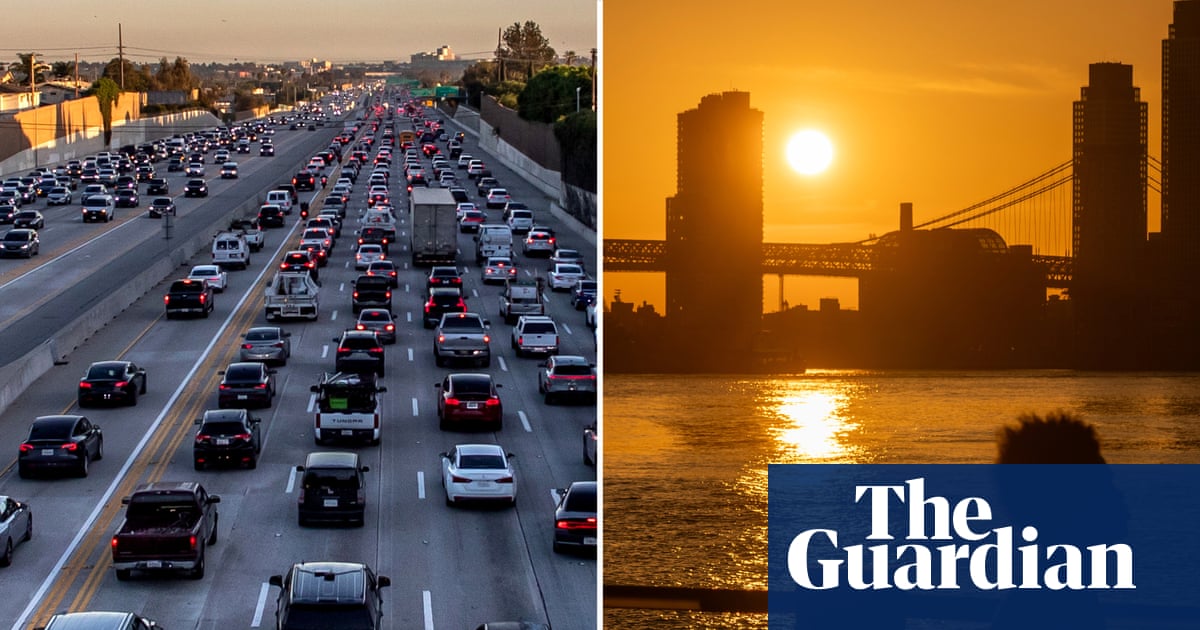
Republican-led states growing renewable capabilities at faster rate as Texas emerges as clean-energy leader
Democratic-led states are eroding their climate policies, as red states are scaling up their clean energy deployment.
California on Friday scaled back its cap-and-invest program, offering more than $3bn in free pollution allowances to polluting companies. Earlier the same week, New York weakened its groundbreaking climate law, delaying a plan to regulate carbon from 2024 until 2028 and reducing emissions-slashing targets. Rhode Island’s governor, meanwhile, is attempting to roll back aggressive clean-energy programs.
The moves come as Donald Trump’s administration withdraws clean energy incentives and energy savings programs, and as energy prices spike across the country amid trade disruptions stemming from the US-Israeli war on Iran.
Proponents have said the changes are necessary to suppress electricity costs, but climate advocates say that view is short-sighted and misguided.
“Using affordability as a cudgel to weaken climate policy is a major error that will not solve either crisis, ultimately amplifying both,” said Johanna Bozuwa, executive director of the Climate and Community Institute, a left-leaning thinktank.
“Extreme weather and fossil-fuel dependency directly inflate costs – for food, energy, transportation, housing, and health – across the economy for working people.”
Polls show most Americans are concerned about the climate crisis. An annual poll from Gallup, published in April, shows that 44% of American adults say they worry “a great deal” about global warming – one of the highest levels of concern since 1989, when the poll was first conducted, behind only 2020 and 2017.