Can AI detect smuggled sea cucumbers?
In a new study, an AI tool identified images of seahorse, shark fin and sea cucumber samples in luggage By Jackie Flynn Mogensen edited by Clara Moskowitz Scientists hoping to stop the illicit trade of marine wildlife have a new tool to spot seahorses, shark fins and sea cucumb
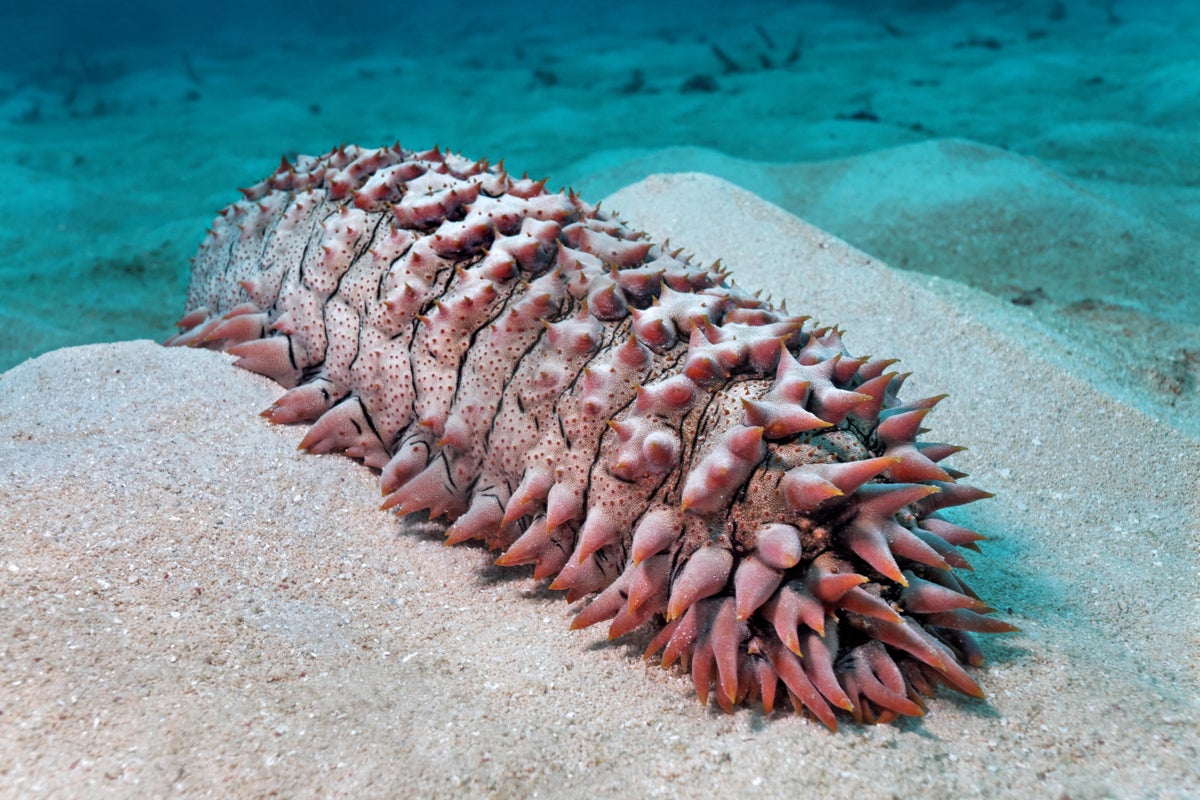
In a new study, an AI tool identified images of seahorse, shark fin and sea cucumber samples in luggage
Scientists hoping to stop the illicit trade of marine wildlife have a new tool to spot seahorses, shark fins and sea cucumbers hidden in luggage. The tool, which uses artificial intelligence, could be deployed at airports to bolster wildlife enforcement efforts, the researchers say.
Wildlife trafficking is a major industry: around the world, some $20 billion in plant and animal products are sold illegally every year, according to the International Criminal Police Organization (INTERPOL). That includes marine species—such as sea cucumbers , seahorses and shark fins, which are illegally harvested and sold for possible medicinal uses or as food. Many of these wildlife products pass through airports and often go undetected , environmental advocates say.
In the new study , which was published on Sunday in the journal Frontiers in Ocean Sustainability, researchers trained an AI algorithm on hundreds of three-dimensional x-ray images—the kind of imaging already used in airports—of 68 dried shark fin, seahorse and sea cucumber samples. Across hundreds of images, the algorithm correctly identified these samples 92 percent of the time, with a false positive rate of about 13 percent.
If you're enjoying this article, consider supporting our award-winning journalism by subscribing . By purchasing a subscription you are helping to ensure the future of impactful stories about the discoveries and ideas shaping our world today.
“Never in my career would I think AI would be such an important part of my research,” says Vanessa Pirotta, lead author of the study and a wildlife scientist at Macquarie University in Australia. X-ray imaging “enables us to look in and around luggage and mail items—this means we can use this tech to understand how people may change their trafficking efforts over time,” she says.
The algorithm, she adds, is aimed at “building our detection capacity” and is not intended to replace “manual human inspection” or “biosecurity dogs.”
From here, Pirotta hopes to deploy a version of this technology in airports.







