Can Equality Act protections be replaced with common sense, as Kemi Badenoch suggests?
The Tory leader says the public sector duty to consider minorities encourages division but legal experts warn abolishing it will fuel discrimination For more than two decades, an important part of Britain’s equality laws ensured public institutions had to think about the impact
The Tory leader says the public sector duty to consider minorities encourages division but legal experts warn abolishing it will fuel discrimination
For more than two decades, an important part of Britain’s equality laws ensured public institutions had to think about the impact their decisions could have on different groups in society.
Introduced after the Stephen Lawrence inquiry, the public sector equality duty required public bodies – such as local councils, police forces and hospitals – to think proactively about equality law. Now this once uncontroversial public duty is a new battleground in Britain’s culture wars.
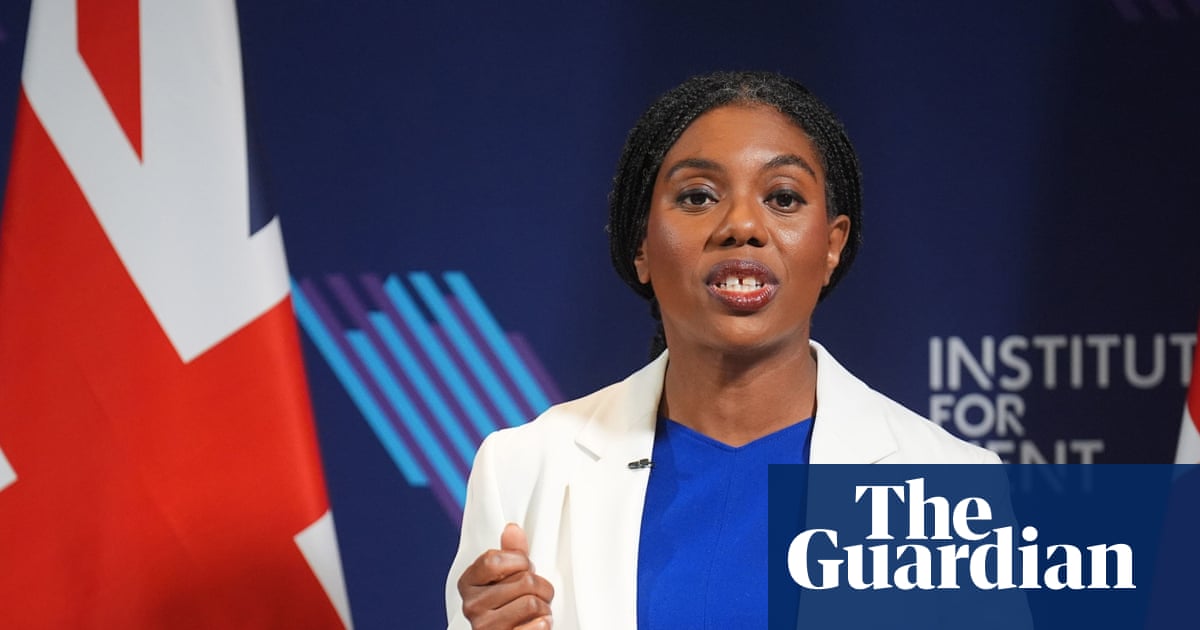
In a speech on Tuesday, the Conservative leader, Kemi Badenoch , pledged to abolish the duty, arguing it had encouraged public bodies to prioritise “dangerous and divisive agendas” over common sense and effective decision-making. For her, it was the culprit behind nonsensical diversity policies and training programmes.
Among the examples she cited was the Bank of England’s decision to replace historical figures, including Winston Churchill, on banknotes with images of British wildlife.
Experts in equality law say many of the examples cited by critics of the duty misunderstand its purpose and how it operates in practice.
Others have gone further. The TUC’s general secretary, Paul Nowak, accused Badenoch of wanting to legalise discrimination. “This proposal would give a future Tory government a free hand to harm your life chances if you’re a woman, gay, black, disabled or working class,” he said.
The Equality Act is designed to protect people from discrimination in the workplace and in wider society on a number of protected characteristics, such as race, sex, disability, religion, age and sexual orientation, as well as rights relating to equal pay, pregnancy and maternity.







