Can Iran rebuild trust with its Gulf neighbors?
Since the beginning of the Iran war, Gulf countries have absorbed thousands of Iranian missile and drones, with Tehran taking aim at targets including US military bases and civilian energy infrastructure . On Monday, Kuwait said its air defenses were fending off a missile and dr
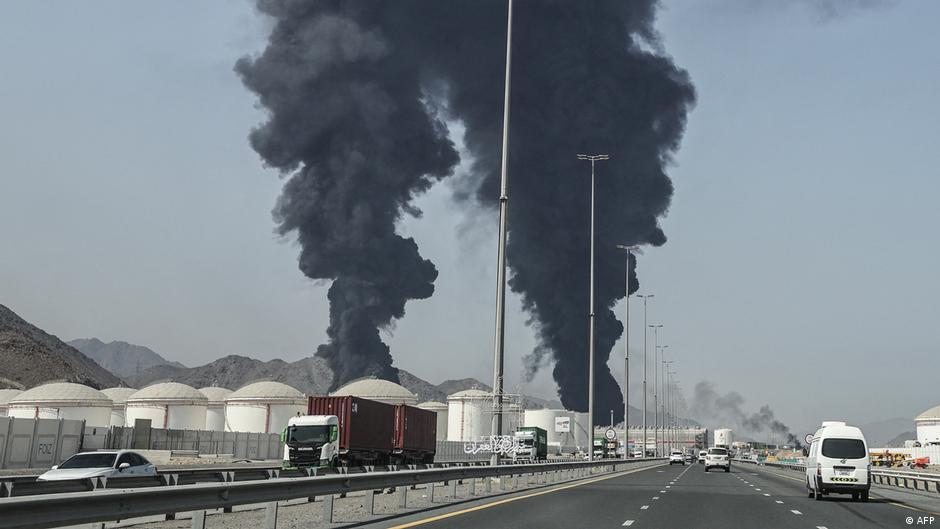
Since the beginning of the Iran war, Gulf countries have absorbed thousands of Iranian missile and drones, with Tehran taking aim at targets including US military bases and civilian energy infrastructure .
On Monday, Kuwait said its air defenses were fending off a missile and drone barrage after the US said it had targeted radar and drone sites in southern Iran.
Due to their close proximity to Iran, and alignment with Washington, the economy and infrastructure of Gulf Cooperation Council (GCC) countries are especially vulnerable when fighting escalates.
But in the likely case the war comes to a negotiated end with the Islamic Republic regime still running Iran, the long-term question for the region is how GCC countries and Tehran can move forward in the aftermath.
Gulf Arab states have expressed to Washington that just ending the war is not enough and have insisted that Iran's ability to threaten the region with missiles and drones must be degraded.
"If Iran and the United States reach an agreement, and Iran leaves its state of hostility with the West, it would have to take important diplomatic and economic steps to improve its regional conditions and its relations with its neighbors," said Babak Dorbeiki, a London-based political analyst and former official at Iran's Strategic Research Center.
Dorbeiki told DW, from Tehran's perspective, the GCC countries it is targeting in the current war are not "neutral actors," but have played some role in pressure campaigns against Iran, whether by hosting US forces, providing logistical help or supporting military action indirectly.
In the short term, Dorbeiki said Iran's neighbors are likely to look at Tehran with deeper suspicion and greater caution. That will affect not only diplomacy, but also trade routes, regional infrastructure and future transport and energy corridors.



